











Research presented at a major West African Lassa fever conference is being turned into scientific papers as health experts seek to strengthen the evidence available to prevent and control the disease.
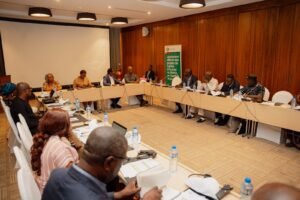
The West African Health Organisation (WAHO), in collaboration with the Coalition for Epidemic Preparedness Innovations (CEPI), its partners and experts from across the region, is holding a workshop in Abuja, Nigeria, to finalise scientific supplements from the 2025 ECOWAS International Lassa Fever Conference.
The workshop, which runs from 17 to 21 August 2026, brings together lead authors, mentors and the Editor-in-Chief involved in the publication process.
The authors are reviewing and completing manuscripts developed from research and other scientific contributions presented at the conference.
The papers are being prepared for submission to the Journal of Epidemiology and Global Health (JIEPH).
Experts at the workshop are providing technical reviews and guidance to help improve the manuscripts and ensure they meet the journal’s requirements before final submission and publication.
From research to action
The initiative is intended to ensure that scientific work presented at the conference does not remain within the meeting itself.
Instead, the research is being developed into scientific publications that can contribute to the evidence base for Lassa fever prevention and control in West Africa.
WAHO says the process is also aimed at strengthening regional research capacity, promoting knowledge sharing and helping translate scientific knowledge into policy.
The workshop also marks the official unveiling of the report of the 2025 ECOWAS International Lassa Fever Conference.
The report captures the main discussions, scientific contributions, recommendations and priorities that emerged from the conference.
It is expected to serve as a reference for regional efforts to prevent and control Lassa fever.
Strengthening regional evidence
For WAHO and its partners, supporting researchers through the publication process is part of a wider effort to generate and document evidence from within the region.
The organisation says helping researchers turn their conference contributions into high-quality scientific publications will promote knowledge generated in West Africa and strengthen the evidence available to policymakers.
The evidence can also contribute to preparedness and the regional response to Lassa fever.
The Abuja workshop brings together the different stages of that process — from scientific presentations made at the 2025 conference, to technical review and preparation for publication.
The accompanying conference report provides a record of the research, discussions and priorities that emerged.
Together, the publications and report are intended to ensure that knowledge generated through the regional conference is documented and can contribute to efforts to improve Lassa fever prevention and control across West Africa.


