By The North Journals Staff Writer
Accra, Ghana
Language experts and cultural advocates are raising alarm over the growing preference among Ghanaian families to speak English at home rather than their indigenous languages—a shift they warn is accelerating the erosion of local linguistic heritage.
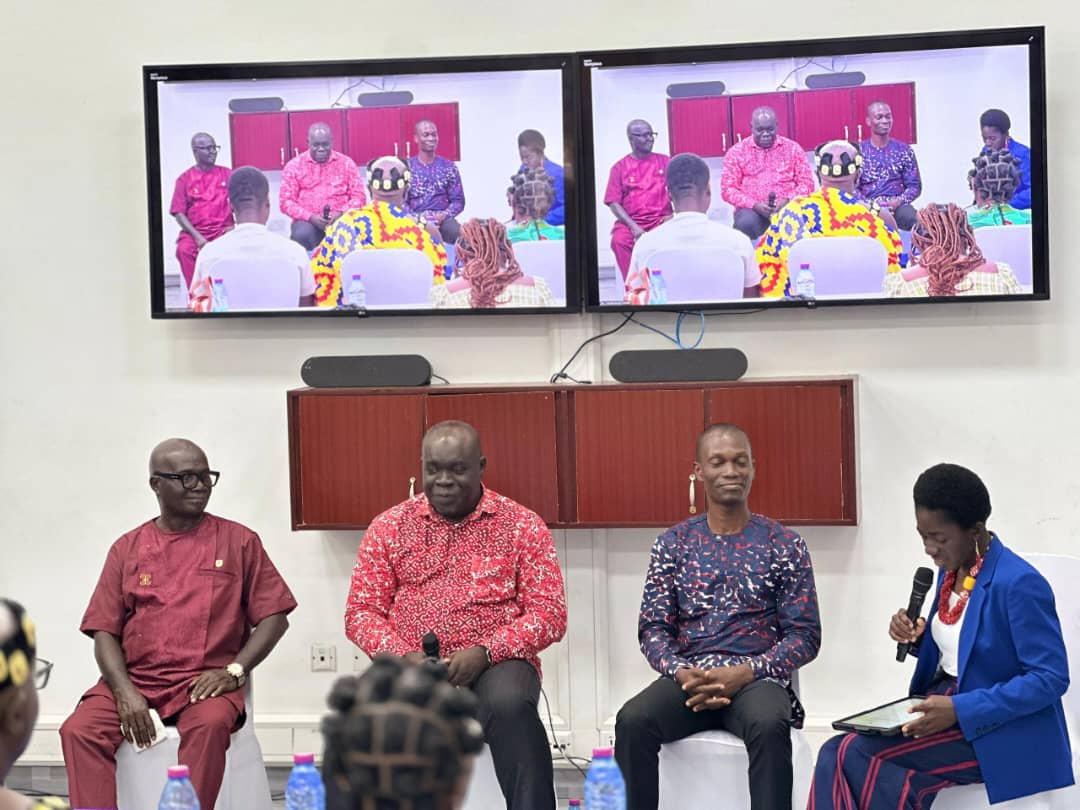
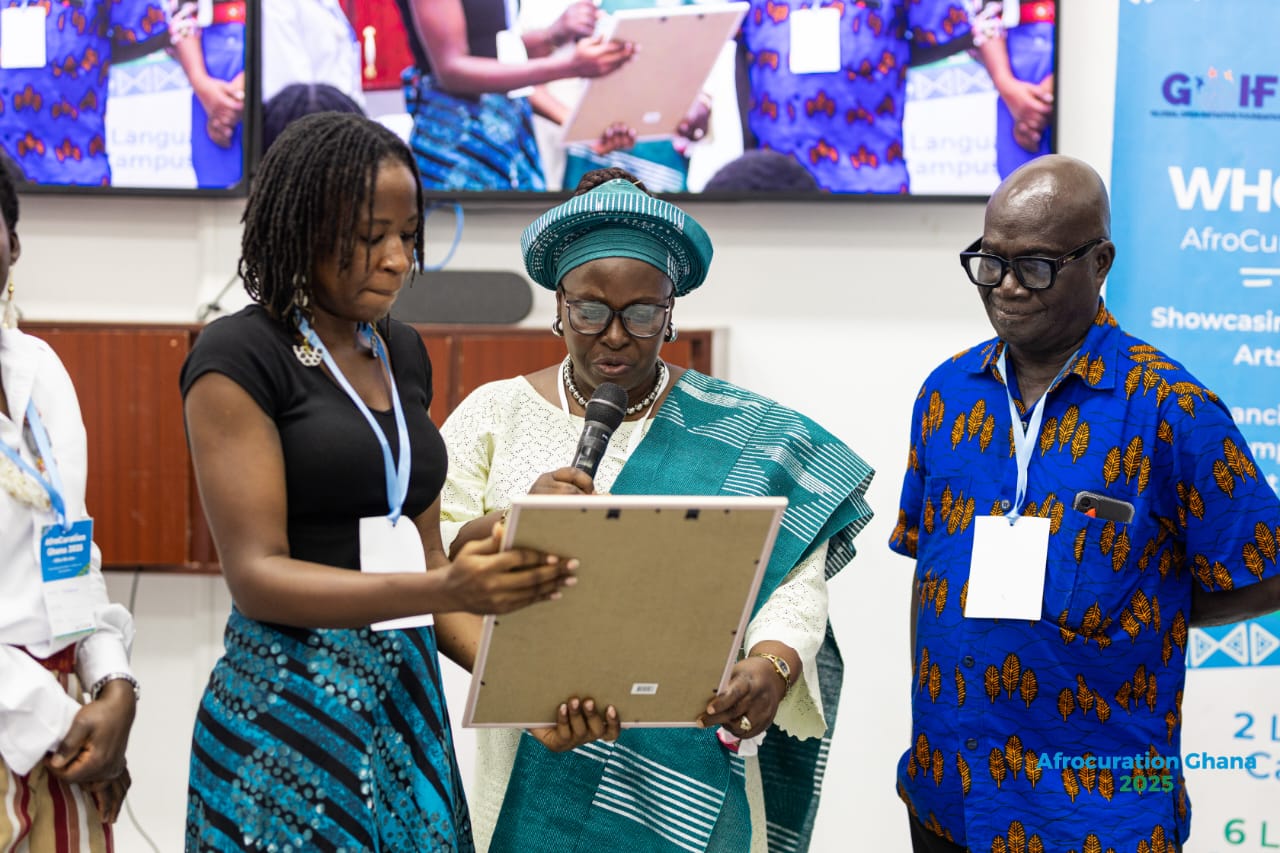
At the recently concluded AfroCuration Ghana 2025, hosted at the Kwame Nkrumah University of Science and Technology (KNUST), scholars, digital activists, and educators gathered to promote the use of native languages in digital spaces, particularly on Wikipedia. The event spotlighted an emerging cultural dilemma: many parents are choosing to showcase their children’s fluency in English at the expense of native language transmission.
“In many Ghanaian homes today, native languages are neglected. Instead, families proudly declare, ‘My child speaks English very well,’” said Professor Opanin Kofi Agyekum, Head of the Linguistics Department at the University of Ghana. “But our linguistic identity is part of our cultural heritage—and we are losing it.”
Agyekum emphasized that all languages hold value and serve as tools for community cohesion and self-expression. He called for a change in mindset, urging families to instill pride in indigenous languages among children.
The AfroCuration event brought together speakers of Twi, Dagbani, Gurene, Moore, Ewe, Kusaal, and Dagaare, with more than 80 participants trained in editing and translating Wikipedia articles about African art, culture, and traditions. The initiative aimed to make knowledge accessible to local communities in their own languages and to challenge the dominance of colonial languages in digital spaces.
Dr. Emmanuel Antwi Fordjour, a senior lecturer in Language and Communication Sciences at KNUST, expressed concern over the stigma some people attach to speaking native languages.
“It is worrying that some Ghanaians feel ashamed of their own languages,” he said. “Educated citizens should take the lead in preserving and promoting indigenous tongues.”
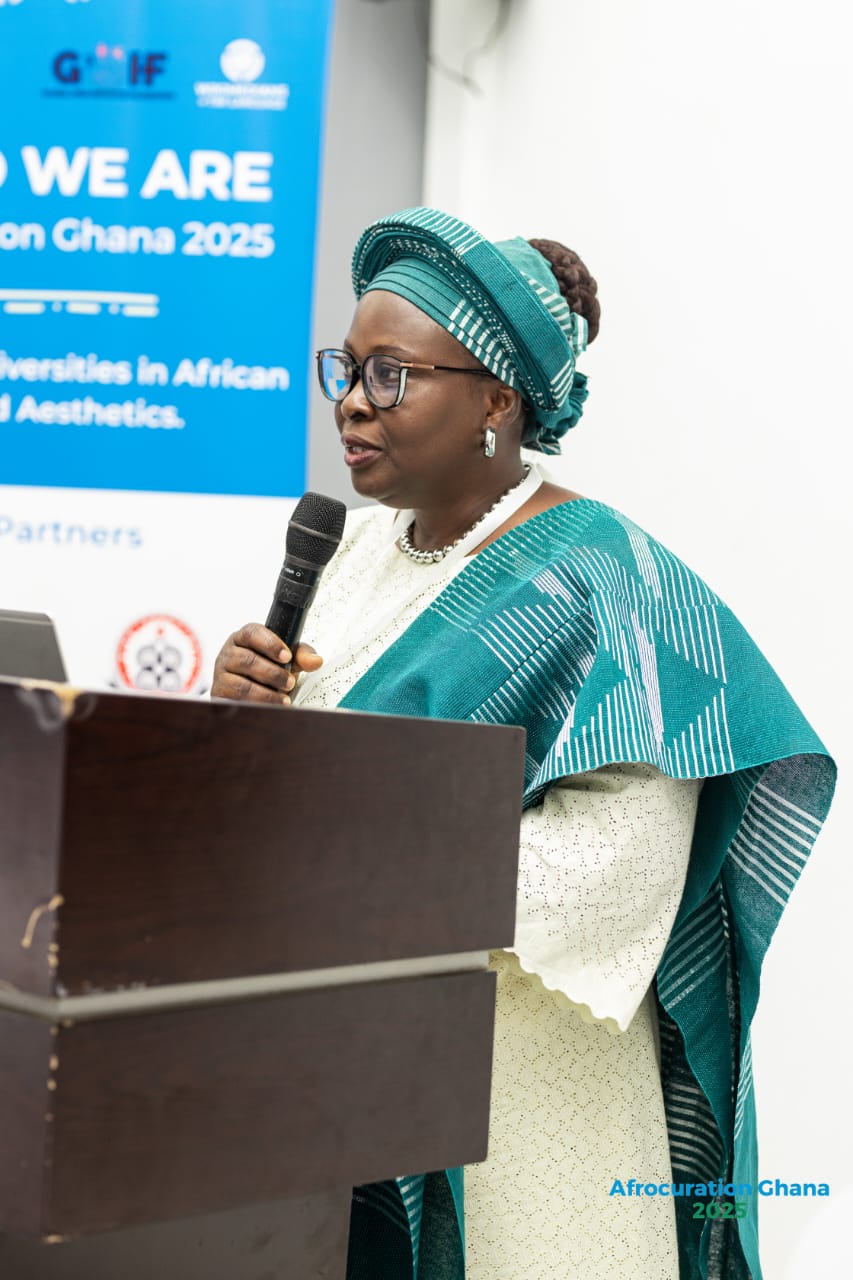
Echoing this concern, Dr. Mrs. Faleke Victoria Ogunnike, also of KNUST, argued against labeling indigenous languages as merely “local.” She warned that with each lost language, communities risk losing centuries of knowledge, including agricultural practices and oral histories.
“Ghanaians are becoming too comfortable with foreign languages like English and French,” Ogunnike said. “Ironically, speakers of these languages urge us to protect our own, but we suppress our identities instead.”
She also advocated for university admission policies that recognize academic excellence in indigenous languages, saying fluency demonstrates intelligence and cultural grounding.
Professor Akwasi Adomako highlighted the power of art in language preservation. His work, My Hands Are Not for Begging, uses visual storytelling to communicate environmental and cultural themes, reinforcing the message that language is embedded in every form of expression.
“Art speaks,” he said. “When you look at an artwork, it communicates. That is language too.”
AfroCuration Ghana 2025 was organized by Wikimedians of Twi Language, supported by the Global Open Initiative Foundation and funded by the Wikimedia Foundation. It was held in collaboration with KNUST’s Department of Language and Communication Sciences and the Akan/Nzema Education Department at the University of Education, Winneba (Ajumako Campus).
Professor Charles Ofosu Marfo of KNUST praised the initiative as one of national importance. He described language not just as a communication tool, but as a vessel of identity, heritage, and traditional knowledge systems.
“Empowering youth to create and share content in their mother tongues helps preserve Ghana’s rich linguistic diversity,” he said. “It’s a noble idea to share our stories with the world.”
Jemima Antwi, Project Lead for AfroCuration Ghana, emphasized the digital gap facing African languages.
“There are over 2,000 African languages, yet our voices remain largely absent online,” she noted. “Wikipedia can change that—and we are here to rewrite the narrative.”
Harriet Henry Bayel, Executive Director of the Global Open Initiative Foundation, called for urgent digital documentation of African languages.
“AfroCuration gives us the tools to act,” she said. “We cannot allow our heritage to vanish as the digital world progresses.”
AfroCuration, initiated by the Moleskine Foundation, is more than a program—it is a continent-wide movement weaving together language, culture, art, and digital skills to empower African youth in the preservation of identity.