











By Aminu Adamu
As educators grapple with declining reading engagement among secondary school students, a grassroots literacy organisation is testing a practical, low-cost response: embedding open-access book clubs directly within schools and supporting them with sustained mentorship.
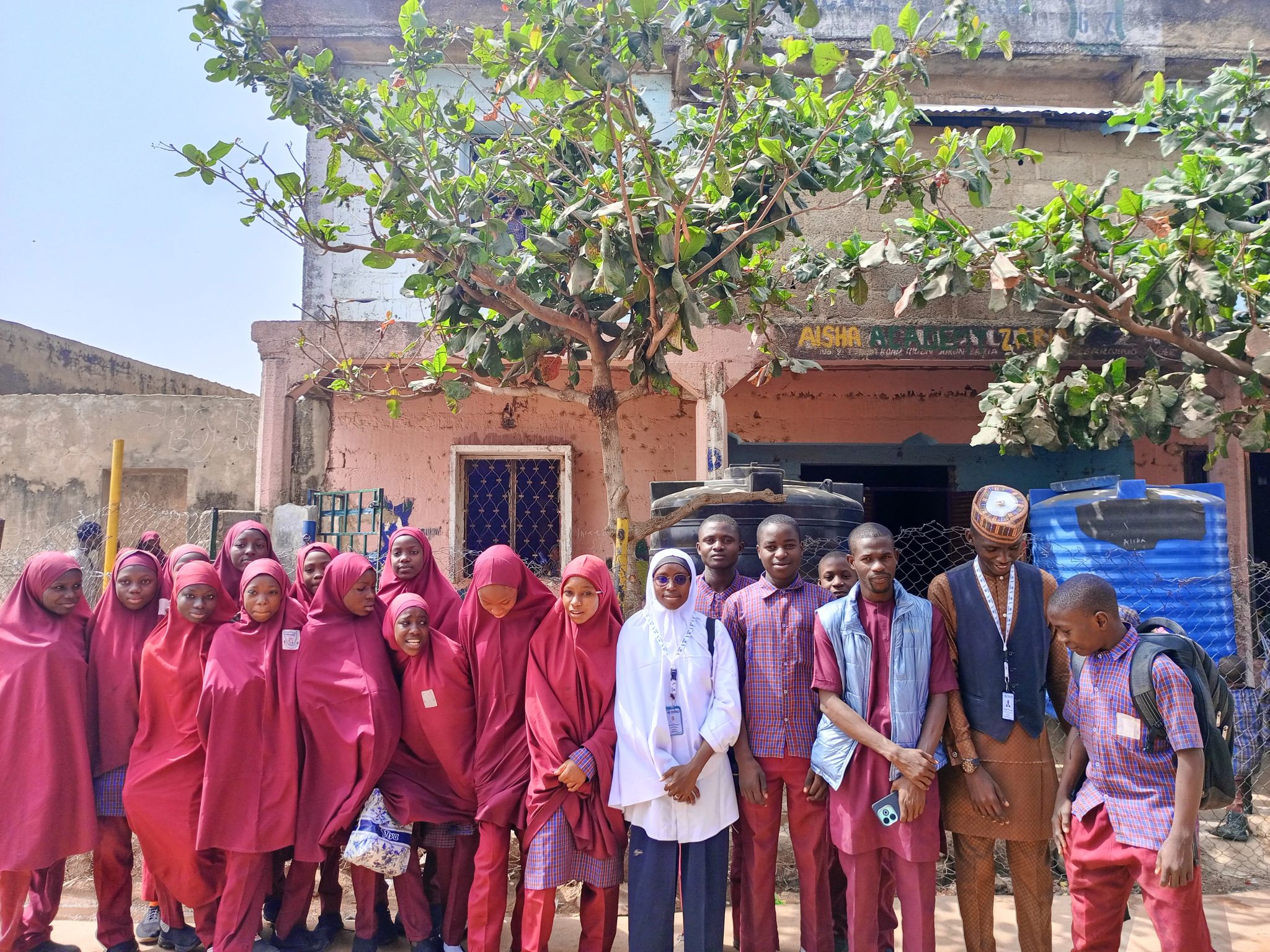
This week, Bookish Alchemy launched its 2026 outreach programme by establishing book clubs at UMRABS and Aisha Academy School in Zaria. The intervention has reached over 600 students, many of whom voluntarily enrolled during the first week, an early indicator of unmet demand for structured reading spaces.
Schools across northern Nigeria face shrinking reading cultures driven by limited access to books, weak extracurricular literary structures and an education system heavily focused on examinations. While literacy campaigns are common, many are short-term and lack mechanisms for continuity.
Bookish Alchemy’s approach centres on institutionalising reading within schools, rather than running one-off sensitisation programmes. The organisation works with school administrators and students to formally establish book clubs, introduce shared reading materials and provide periodic follow-up sessions.
According to the organisation’s Outreach Coordinator, Usman Ibrahim, the model is intentionally non-commercial.
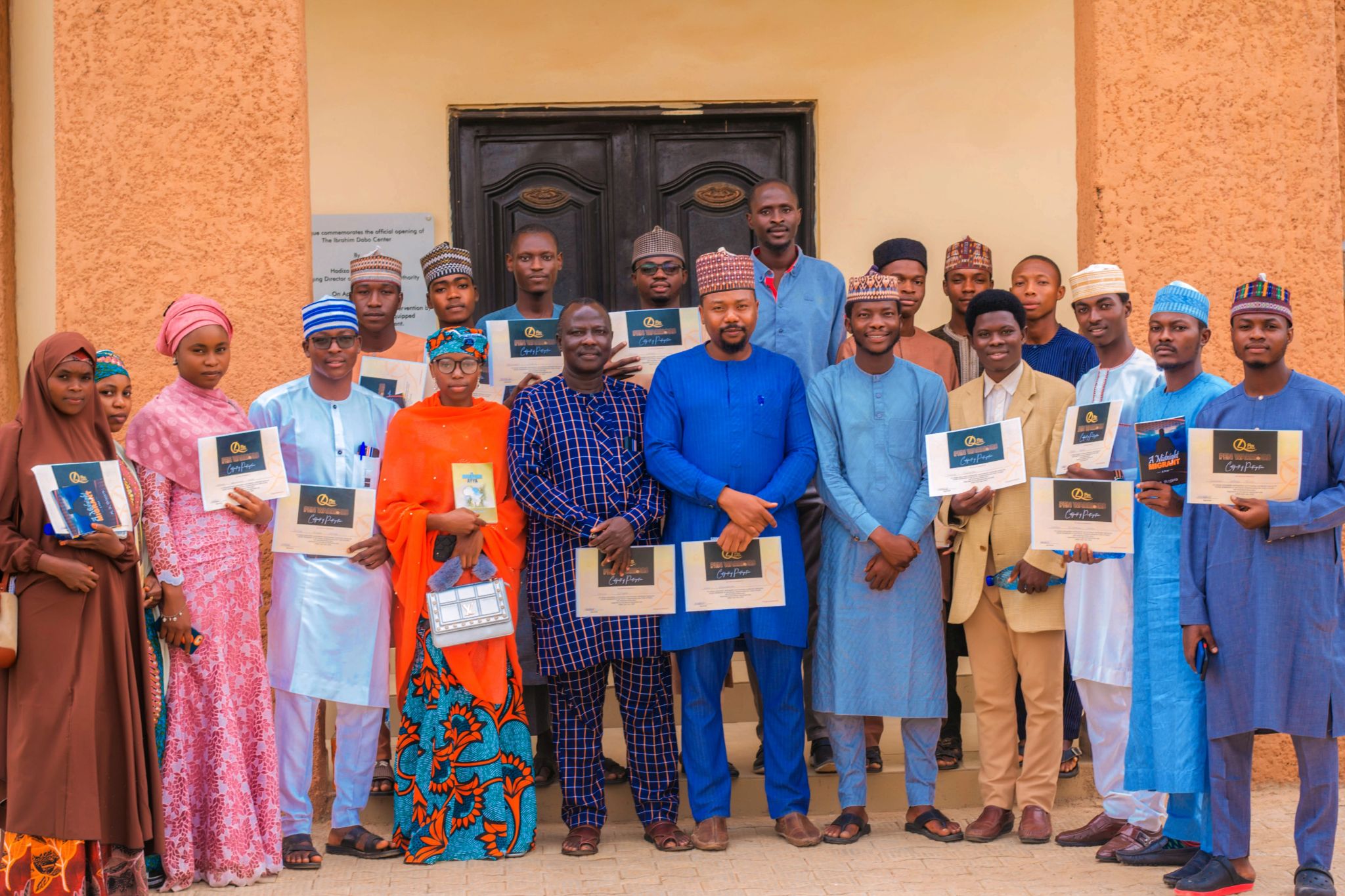

“We do not charge schools or students. Access is the foundation of the work,” he said during an engagement at UMRABS.
Membership is open to any interested student, removing academic or financial barriers that often exclude participants from enrichment programmes.
During the outreach, facilitators helped schools set up club structures, introduced guided reading sessions and outlined plans for return visits. To support immediate participation, Bookish Alchemy donated copies of Spawn of Kindness by Sani Abdulrazak, selected as Book of the Month for January, ensuring students had a common text for discussion.
In addition to reading sessions, students were introduced to basic writing and creative expression activities, with deeper engagements scheduled for subsequent months.
Across the two schools, more than 600 students joined the book clubs within days, according to organisers. Students also actively sought information on how to remain involved beyond the initial sessions, suggesting sustained interest rather than passive attendance.
While long-term outcomes such as improved literacy skills are yet to be measured, participation levels and voluntary sign-ups offer early signals of effectiveness.
The model’s success depends on continued school cooperation and repeat visits, which require funding and volunteer availability. Organisers acknowledge that without consistent follow-up, clubs risk losing momentum.
Bookish Alchemy says it plans to return to both schools over the coming months to deepen engagement and assess progress.
Education experts note that literacy interventions often fail because they overlook access and continuity. By embedding book clubs within schools and lowering entry barriers, Bookish Alchemy’s model offers a replicable approach for communities seeking sustainable ways to rebuild reading culture among young people.
For policymakers and educators exploring scalable literacy solutions, the Zaria pilot underscores a central lesson: when students are given books, space and sustained support, participation follows.





1 Comment
Good job