




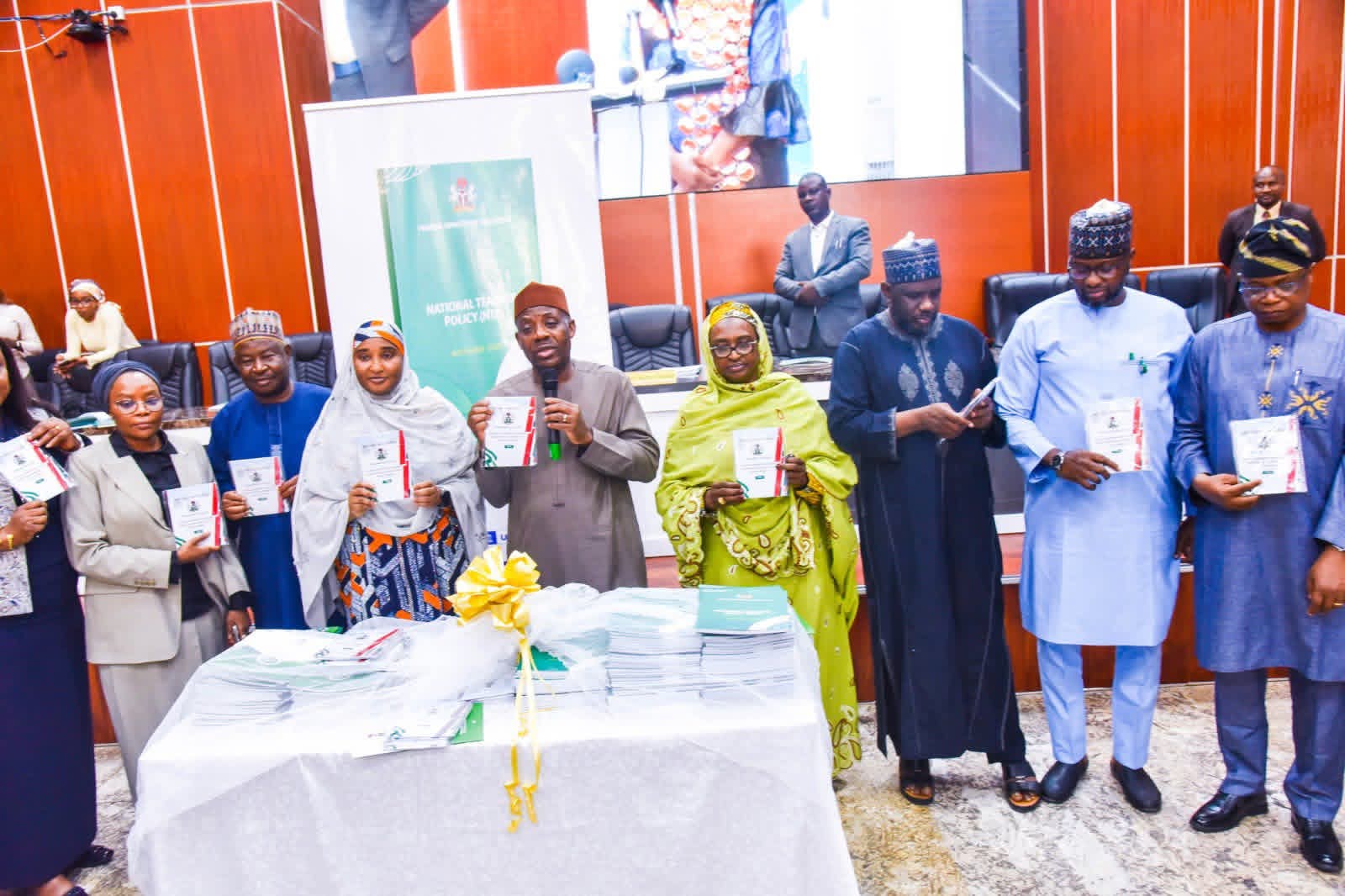
The Federal Government has unveiled three flagship education policies designed to strengthen teaching quality, improve school safety, and integrate out-of-school children into formal learning an intervention officials describe as central to advancing President Bola Tinubu’s Renewed Hope Agenda.
The new frameworks, launched in Abuja by the Federal Ministry of Education, include the National Teachers Policy, the Guidelines Against Drug and Substance Use in Schools, and the National Policy on Almajiri Education. Collectively, they mark one of the administration’s most ambitious efforts to address long-standing gaps in Nigeria’s education sector.
Speaking at the launch, Minister of Education Tunji Alausa said the policies were developed to deliver measurable improvements in classrooms and communities, stressing that the government would prioritise practical results over policy declarations.
“Our goal is to ensure quality learning for every Nigerian child,” Mr Alausa said. “The true value of these policies will be seen in better-trained teachers, safer learning environments, and the full integration of children who have remained excluded from the system.”
The National Teachers Policy outlines new standards for teacher recruitment, training, welfare and professional development. The drug-and-substance-use guidelines introduce mandatory prevention programmes, early-warning mechanisms and response protocols for schools. The Almajiri Education Policy seeks to integrate millions of out-of-school children by combining Qur’anic education with basic literacy, numeracy and life-skills learning.
Minister of State for Education Suwaiba Said Ahmad said the reforms embody the administration’s push for inclusiveness, adding that state governments must drive implementation for true impact to be realised.
“These policies require collective responsibility,” she said. “Effective delivery will depend on strong coordination between the federal government, states, partners and communities. We are encouraged by the level of commitment expressed here today.”
Stakeholders at the event, including development partners and civil society groups, pledged support for the rollout, describing the reforms as essential to reversing learning poverty and expanding opportunities for Nigerian children.
The launch comes as Nigeria continues to confront severe education challenges, including poor learning outcomes, overcrowded classrooms and a growing population of out-of-school children. Officials say the reforms offer a pathway to reset the system and deliver equitable education across the country.
