




By Ishioma Appiah-Yeboah
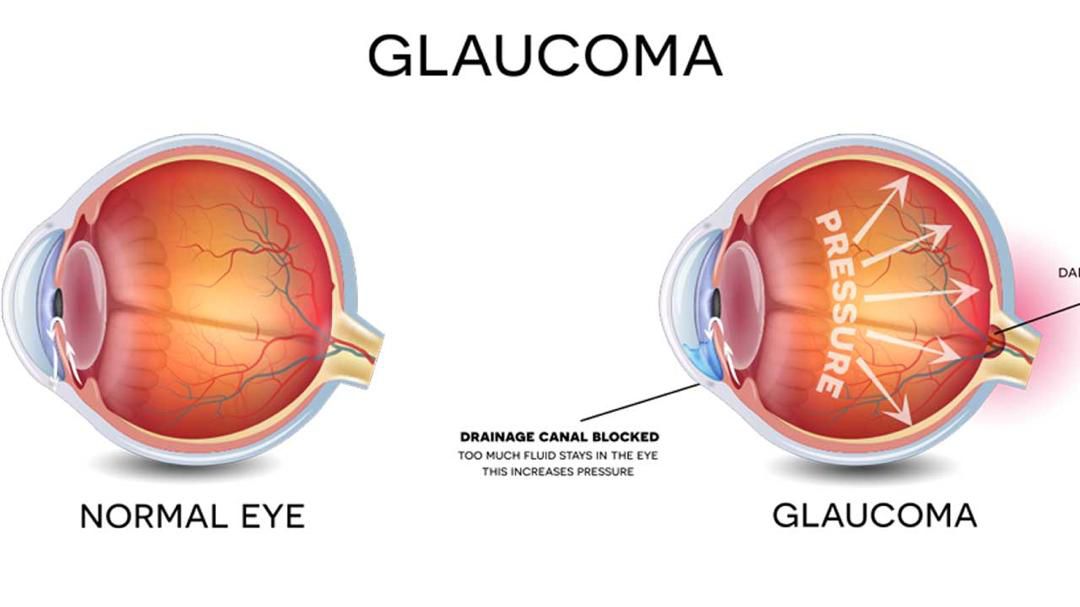
Glaucoma is steadily emerging as a major public-health crisis in Nigeria, silently depriving millions of people of their sight while many remain unaware of the disease until it reaches an advanced and irreversible stage.
Medical experts are increasingly warning that the condition, which damages the optic nerve and leads to permanent blindness, is one of the most under-recognised yet urgent health threats facing the country today.
Speaking during the commemoration of World Glaucoma Day, glaucoma specialist Dr. Magdalene Ajani called for urgent, coordinated national action. She cautioned that millions of Nigerians may already be living with the disease unknowingly, stressing that the true burden extends beyond statistics to the devastating impact on families and livelihoods.
A Silent but Devastating Disease
Described as the “silent thief of sight,” Glaucoma often progresses without pain or early warning signs. By the time symptoms become noticeable, significant and irreversible damage to vision may have already occurred.
According to experts, the disease remains the leading cause of irreversible blindness globally and within Nigeria. An estimated five per cent of Nigerians aged 40 and above—roughly 12 million people—are affected.
Dr. Ajani explained that glaucoma gradually narrows a person’s field of vision from the sides inward, leaving central vision intact until later stages. This allows many patients to continue reading or functioning normally, even as peripheral vision deteriorates.
“These are massive figures,” she warned, noting that without deliberate intervention, the number of people living with preventable blindness could rise significantly.
Why Early Detection Remains Difficult
One of the biggest challenges in tackling Glaucoma is its subtle onset. Early signs are often mild and easily ignored. Some patients report seeing rainbow-like halos around lights, while others begin to bump into objects due to gradual loss of side vision.
In many cases, individuals repeatedly change their glasses without improvement, unaware that the problem is not refractive but neurological.
Dr. Ajani stressed that waiting for symptoms can be dangerous, as noticeable signs often appear only after significant damage has occurred. Routine eye examinations, she said, remain the most effective way to detect the disease early.
Human Stories Behind the Numbers
For many Nigerians, diagnosis comes too late.
A 58-year-old trader, Mrs. Bose Adeyemi, initially dismissed her symptoms as part of ageing, frequently changing her glasses. It was only after she began colliding with objects in her shop that she sought medical attention—by then, vision in one eye had already been permanently lost.
Similarly, Abuja-based civil servant Mr. Musa Abdullahi discovered his condition during a routine check-up despite having no symptoms, highlighting the unpredictable nature of the disease.
In contrast, 42-year-old teacher Ngozi Okeke benefited from early detection due to family history. After her mother lost her sight to glaucoma, she began regular screenings at age 40, allowing doctors to detect and manage the condition before severe damage occurred.
Late Diagnosis and Risk Factors
Late detection remains a critical issue, with experts estimating that more than 94 per cent of people living with Glaucoma in Nigeria are unaware of their condition until it is advanced.
The disease often affects both eyes at different rates, making it harder to notice early changes.
Key risk factors include age, genetics and ethnicity. Individuals above 40 and those of African descent are particularly vulnerable. A family history significantly increases the risk, with some estimates suggesting the likelihood can rise up to eightfold.
Dr. Ajani also warned against the widespread, unsupervised use of steroid-based medications, which can trigger or worsen the disease.
Myths, No Cure, and Barriers to Care
Misconceptions continue to hinder effective treatment. Some patients attribute vision loss to spiritual causes or rely on traditional remedies instead of seeking medical care.
Experts caution against confusing glaucoma with cataracts or believing that herbal treatments can cure the disease.
“There is no cure for glaucoma, and lost vision cannot be restored,” Dr. Ajani emphasised. “But with early detection and proper management, blindness can be delayed or prevented.”
Treatment options—including medication, laser therapy and surgery—are aimed at slowing disease progression and require lifelong adherence.
However, poor awareness, limited access to eye-care services, especially in rural areas, and the high cost of treatment remain major barriers.
The Way Forward
Efforts by the Federal Ministry of Health Nigeria to integrate eye care into primary healthcare and implement a national eye-care policy have been commended as important steps forward.
Nonetheless, experts stress that more needs to be done. They are calling for intensified public-awareness campaigns, expanded screening programmes and stronger collaboration between government, healthcare providers and community organisations.
Dr. Ajani urged Nigerians—particularly those over 40—to prioritise routine eye examinations.
“Glaucoma does not announce itself,” she said. “Do not wait for symptoms, because they rarely come early.”
Credit: This story first appear on Time Express
