By Aminu Adamu
In 2009, it was a symbol of hope, a federally funded gateway to modern education for the Almajiri children of Adamawa. Today, the gates of the Yolde Pate Model Boarding Primary School creak open to reveal a different story: one of diverted resources, “vanishing” furniture, and a government that has seemingly forgotten its own creation.
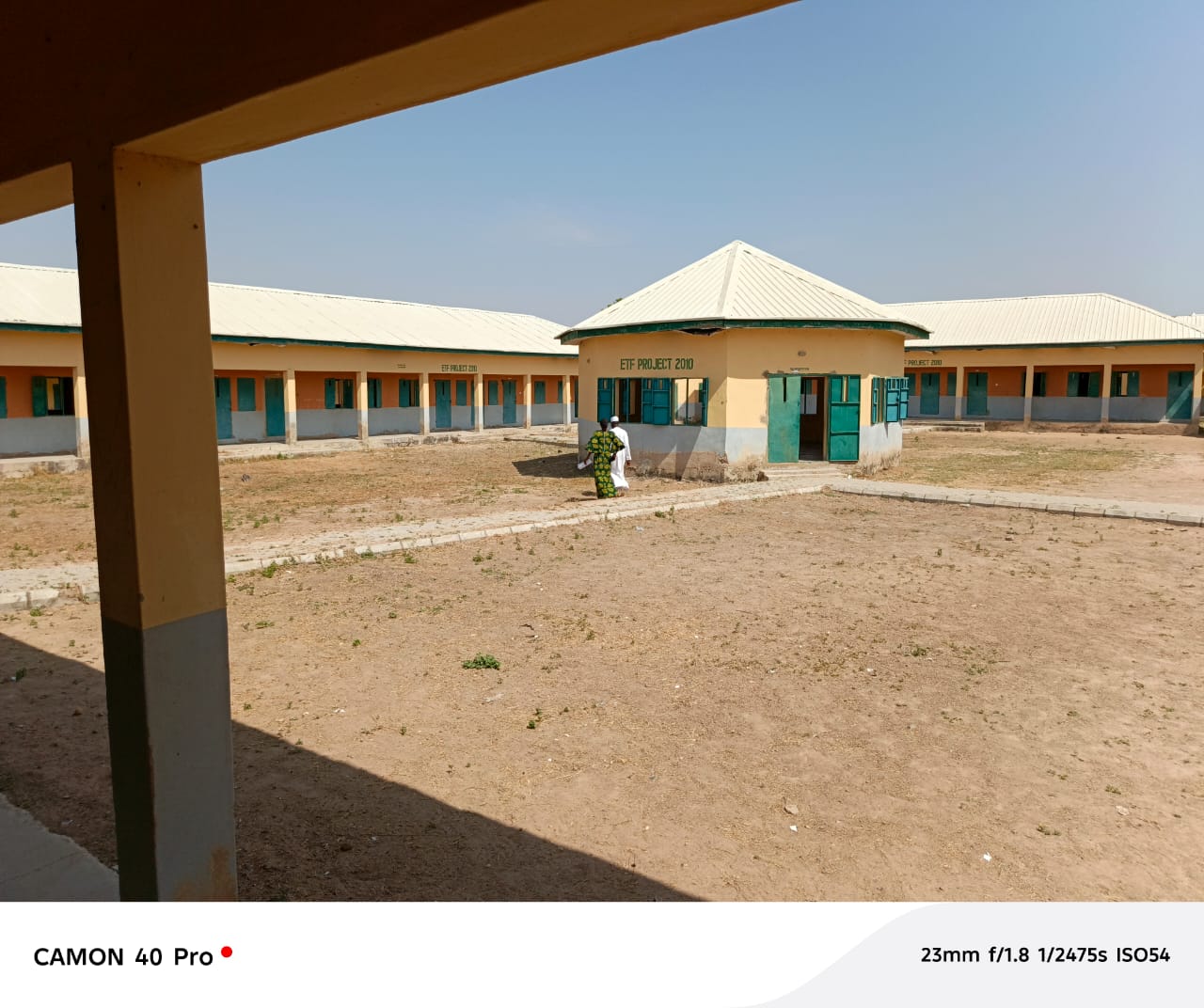
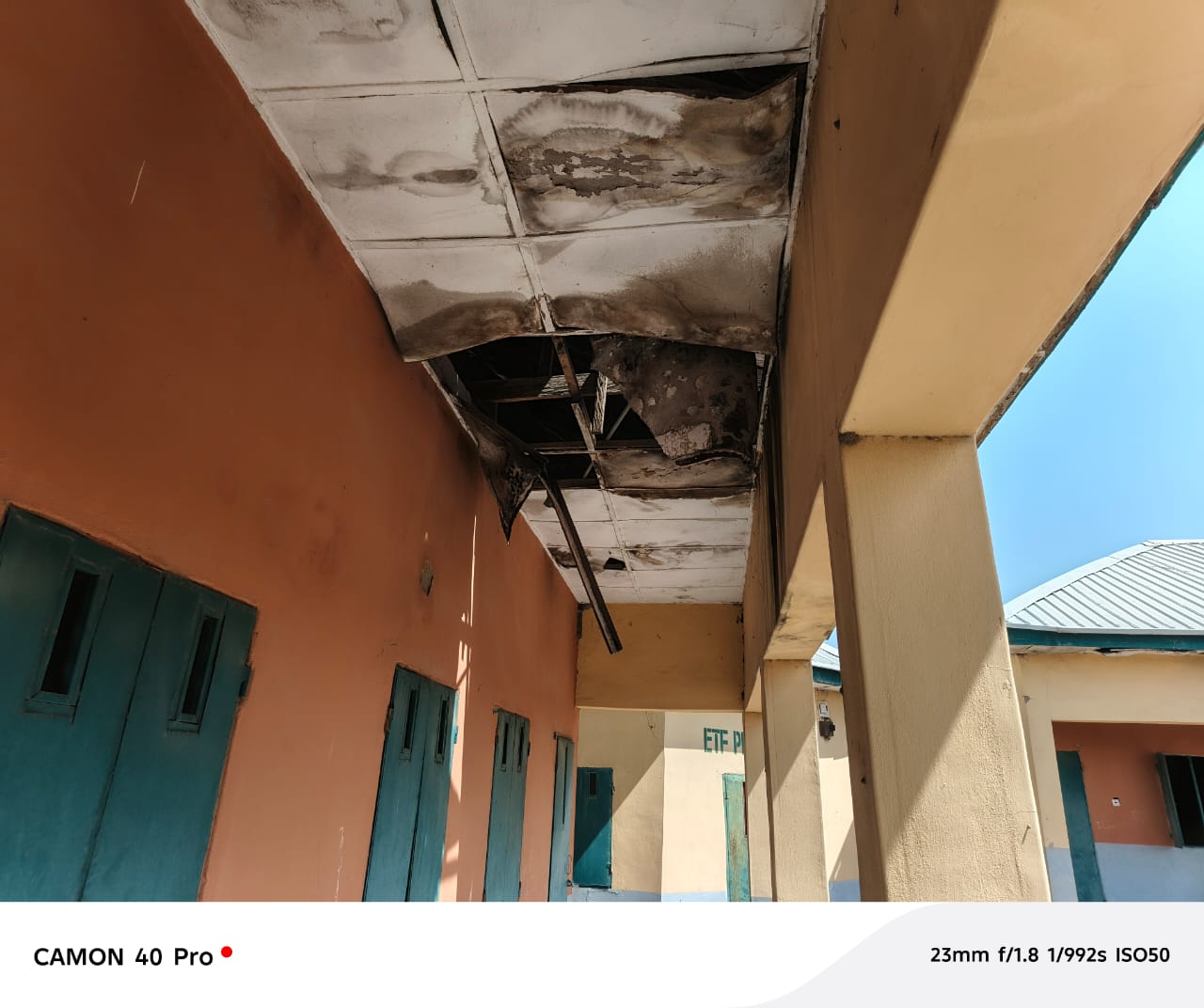
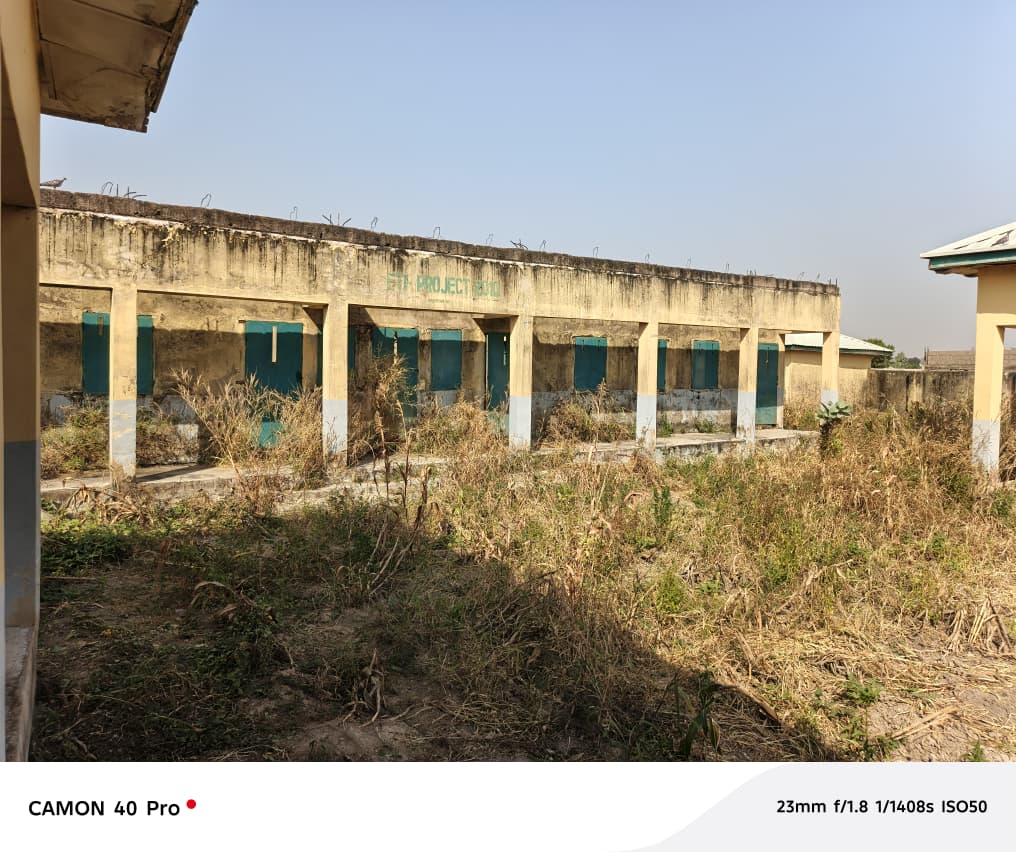
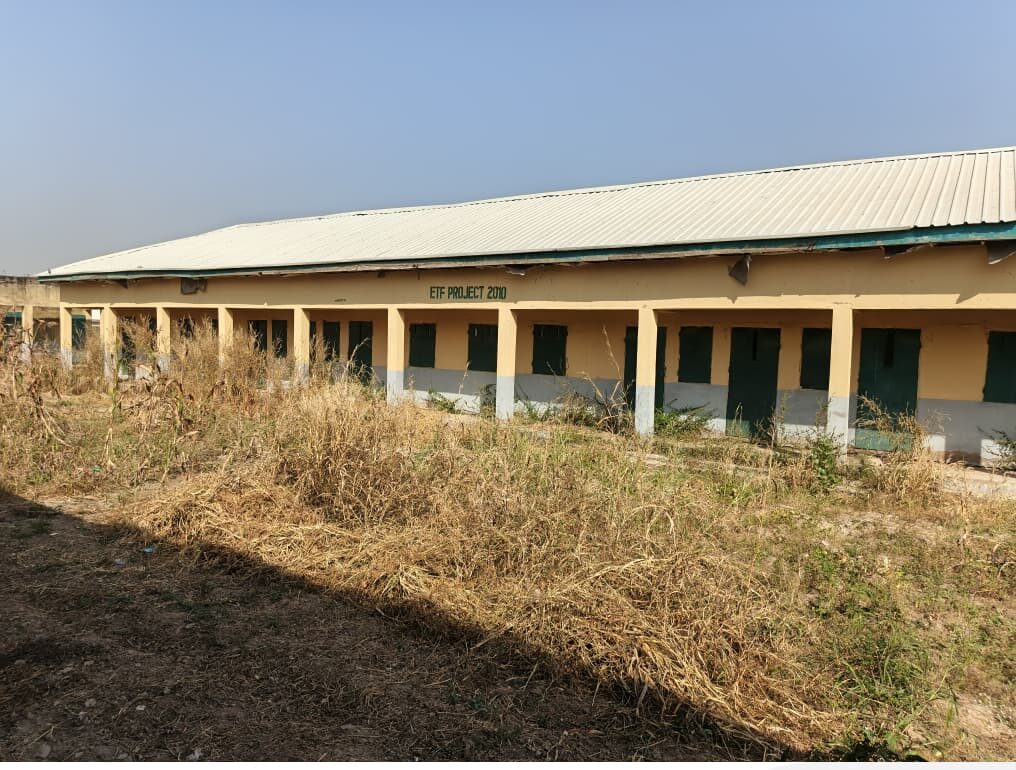
When the gates of the Model Boarding Primary School in Yolde Pate creaked open, they revealed not the promise of education but the slow violence of neglect. Grass had swallowed walkways meant for children. Classrooms stood half-empty, their roofs sagging under years of abandonment. In one corner, broken desks lay stacked like relics of a forgotten policy experiment. This school, built in 2009 as part of Nigeria’s ambitious Almajiri education reform, was meant to symbolise a turning point. Sixteen years later, it stands as a question mark.
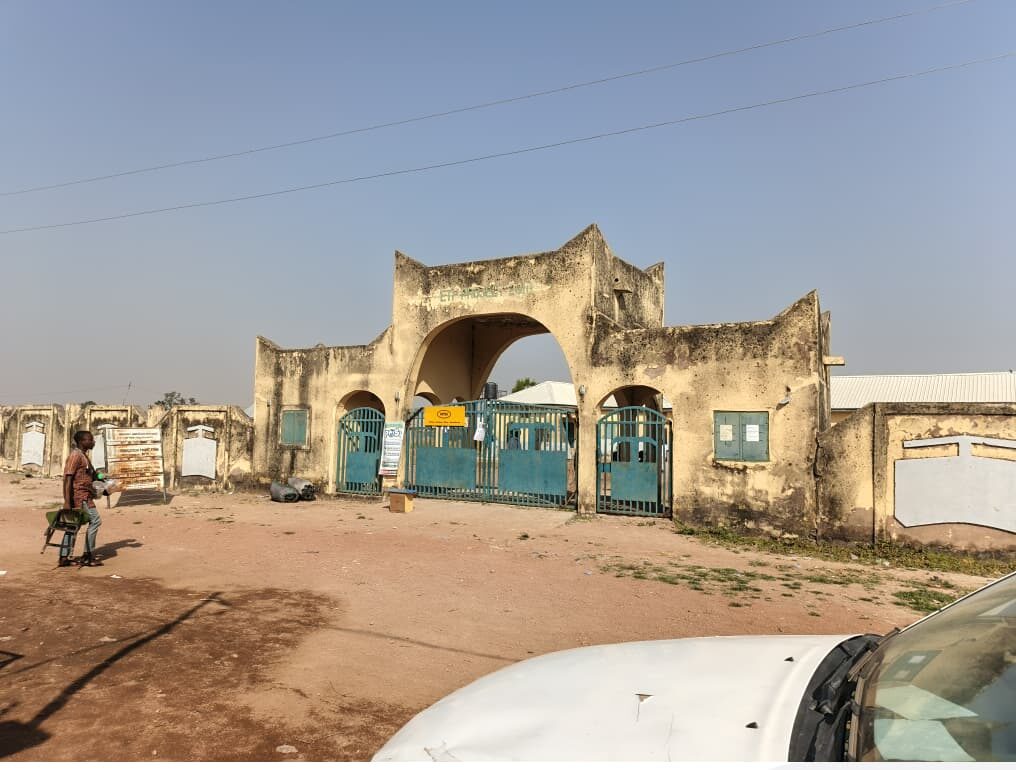
The Model Boarding Primary School, located in Yolde Pate, Yola South Local Government Area of Adamawa State, was constructed during the administration of former President Goodluck Jonathan. It was one of several Almajiri schools built across northern Nigeria under a federal initiative aimed at integrating Qur’anic pupils into the formal basic education system, combining Islamic studies with Western education. At the time, the federal government announced that billions of naira had been committed to the programme nationwide, with the schools expected to be handed over to state governments for staffing, maintenance, and day-to-day operation.
But in Yolde Pate, the handover appears to have collapsed into silence.
Residents say the school was completed but never fully operationalised. For about seven years after construction, the massive facility reportedly sat idle, its classrooms locked and its dormitories empty, while children in the community continued to crowd into a single overstretched public school.
When this reporter visited the school, its scale was striking. The compound contains dozens of classrooms, administrative offices, hostels, and open spaces that could easily absorb hundreds of pupils. Yet only a fraction of the structures are currently in use. Many classrooms have no chairs. Others have broken windows and peeling walls. The environment is bushy, poorly maintained, and far from conducive for learning.
The responsibility for keeping the school alive, it appears, has fallen not on the government but on one man.
Mallam Suleiman Mahmood, the principal of the school, says he took over the abandoned facility four to five years ago, not as a government appointee but as a volunteer driven by concern for Almajiri children in the community. Sitting inside a sparsely furnished office, he explained that no government authority officially assigned him to the school, and no public funding followed his decision to revive it.
“The school was left abandoned after it was built,” he said. “No government intervened. Seven years later, we came in and started operating it on an Islamic system because we could not watch the place waste away while children had nowhere to learn.”
According to him, the school now runs almost entirely on donations from philanthropists. For a period, he said, Ahmadu Bello University, Zaria, provided some Arabic learning materials, support that stopped last year. There is no regular subvention from the state or local government. Teachers are not on payroll. Corps members posted to the school receive stipends that fall far below national allowances.
“We pay volunteer teachers about ₦20,000,” he said. “The corps members here get ₦5,000. That is all we can afford.”
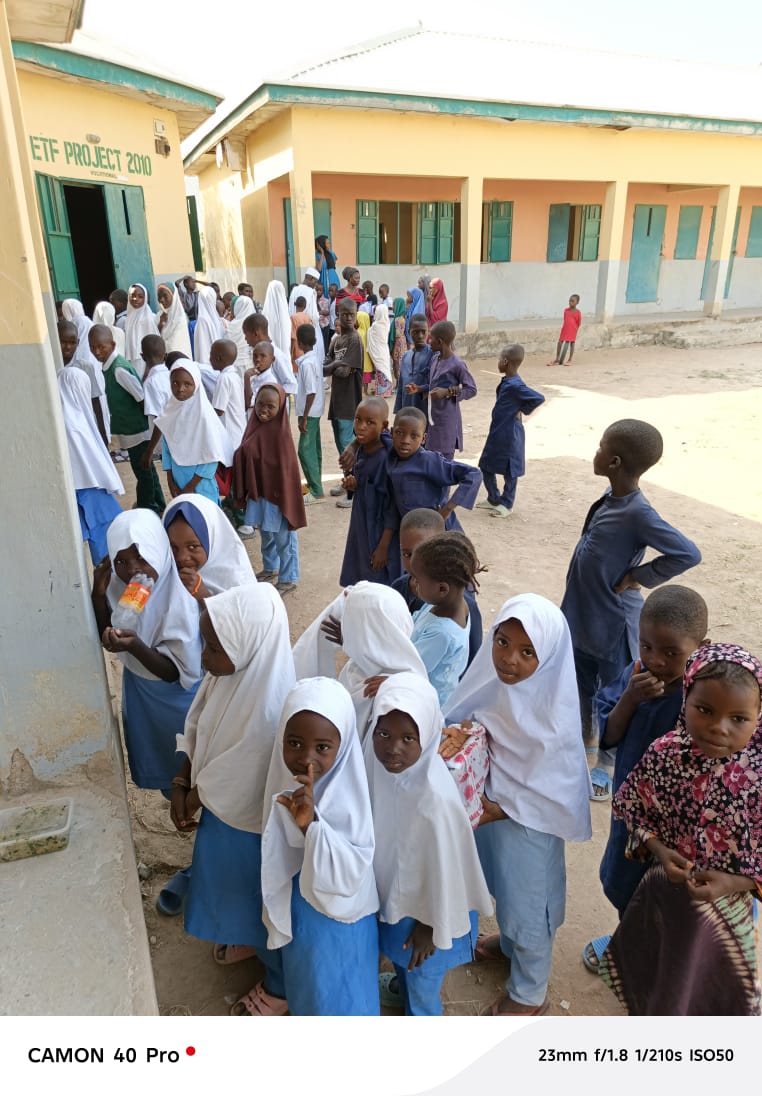
Despite these limitations, about 218 pupils and students currently attend the school. Even that number, Mr Mahmood said, reflects severe underutilisation. At least 18 classrooms remain unused, not because there are no children who need education, but because the school lacks teachers, furniture, and basic infrastructure to accommodate more learners.
In Yolde Pate, a community estimated to have about 20,000 residents, there is only one fully functioning government primary school, which reportedly serves close to 5,000 pupils. Community leaders say the pressure on that school is overwhelming and that the Almajiri model school, if properly integrated into the public system, could significantly reduce overcrowding.
Instead, they say, it has been left to decay.
Muhammad Jingi, the Hakimi of Yolde Pate, said he personally donated the land on which the school was built, believing it would advance education in the area. He recalls that when construction was completed, the school was stocked with materials, including furniture, food supplies, and learning equipment.
“Everything needed for a school was provided,” he said. “Foodstuff, materials, all of them.”
Then, he said, everything disappeared.
“All these items vanished in a twinkle of an eye. No one has any idea how they got lost,” he said. “When those properties were brought, it was UBEC that provided security to be in charge of them. But unfortunately, everything disappeared.”
The disappearance of these materials, he said, contributed directly to the abandonment of the school. Without furniture, water, learning materials, or food, the facility could not function, and no authority stepped in to address the gap.
Today, he said, the burden has shifted entirely to volunteers.
“This is a government-owned property,” Mr Jingi said. “But when we wrote to the government for help and support, they didn’t respond. I have tried my best to reach the necessary authorities, but nothing has changed.”
Mr Mahmood said he also wrote formal letters to the Universal Basic Education Commission (UBEC) and other education authorities, drawing attention to the school’s lack of teachers and infrastructure. According to him, those letters were never answered.
“When I asked about the properties that were supplied to the school, there was no reasonable answer,” he said. “The director of UBEC told me the issue was not from UBEC, that it was from the Local Government Education Board.”
According to Mr Mahmood, he was told that two trucks conveying school materials were allegedly diverted at the local government level. He said the UBEC official showed him some remaining classroom benches that had already decayed after years of being kept unused.
“Meanwhile, in my school, pupils are sitting on the floor because we don’t have enough seats,” he said.
These claims could not be independently verified at the time of reporting. Phone calls and requests for comment sent to UBEC and the Adamawa State Ministry of Education were not answered. However, education sector experts note that disputes over responsibility between federal agencies, state ministries, and local education authorities have long undermined the sustainability of the Almajiri school programme.
Under the original policy framework, the federal government was responsible for constructing the schools, while states were expected to take ownership after completion, including staffing, maintenance, and integration into the basic education system. In practice, several Almajiri schools across northern Nigeria have faced neglect, funding gaps, or outright abandonment due to unclear handover processes and weak accountability mechanisms.
In Yolde Pate, the consequences are visible in the faces of the students.
Musa Abubakar, a 14-year-old JSS 3 student, said learning under the current conditions is a daily struggle.
“Our teachers are trying their best,” he said. “But we have challenges. We don’t have enough teachers, the food is not good, and the buildings are bad. We need help.”
Another student, Zainab Aliyu, also 14 and in JSS 3, said the shortage of subject teachers affects their education.
“We are lacking teachers of Arabic language and other Western subjects,” she said. “That is a big challenge for us because we want to learn.”
Their words echo a broader concern raised by education advocates: that abandoned public infrastructure does not merely represent wasted funds, but lost opportunities for children whose futures depend on access to quality education.
Adamawa State has, in recent years, announced investments in school renovation and the construction of new educational facilities. Government statements often highlight commitments to improving learning environments and expanding access to basic education. Yet the continued neglect of the Yolde Pate Almajiri school raises questions about planning priorities and the efficient use of existing resources.
Why, community members ask, would a state invest in new projects while a fully built, strategically located school remains underutilised?
For now, the answers remain elusive.
Officials have visited the school several times, according to Mr Mahmood, interviewing him and assessing the facility. Each visit, he said, raised hopes that the government would finally take over the school. Each time, nothing followed.
As the sun sets over Yolde Pate, the school compound grows quiet. Children retreat to crowded classrooms or return to homes that can offer little academic support. The broken desks remain where they are. The unused classrooms stay locked.
What was once designed as a flagship intervention for one of Nigeria’s most vulnerable child populations has become, in this community, a symbol of policy failure and institutional silence.
Until authorities clarify responsibility, release records of funding and handover, and act on the condition of the school, the Model Boarding Primary School in Yolde Pate will continue to stand as a monument to unanswered questions and an accountability gap that children are paying for every day.