




By Atoyebi Nike
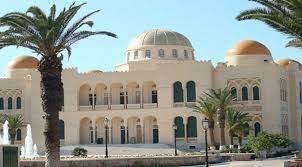
Libya has reopened its National Museum in Tripoli after a 14-year closure caused by civil war.
The reopening marks a symbolic step toward stability and national healing, offering Libyans and visitors a chance to reconnect with the country’s long and complex history.
Years of conflict made it difficult to protect cultural heritage in the oil-rich Mediterranean nation. Despite this, the museum’s revival signals a renewed commitment to preserving national identity.
Administrative Director Kamal Yousef described the museum as a “cultural fortress” that houses much of Libya’s history under one roof.
“During the years of closure and chaos, we took strict precautions to protect the artefacts. No theft occurred,” Yousef said.
The museum features Greek and Roman statues, ancient tools and mummies recovered from archaeological sites across the country.
One artefact drawing strong public attention is a fragile 5,400-year-old child mummy from Uan Muhuggiag, an ancient site in southern Libya.
Libya has endured persistent violence since the 2011 NATO-backed uprising that toppled and killed longtime leader Muammar Gaddafi. The country later split between rival administrations in the east and west, backed by militias and foreign powers.
Visitor Wael Mabrouk, who toured the museum with his family, welcomed its reopening.
“I wanted my children to learn about Libya’s wonderful history,” he said.
As Libya continues to navigate political uncertainty, the national museum stands as a cultural anchor for both younger and older generations.