







By Atoyebi Nike
Nigeria’s farmlands face growing pest invasions as climate change and expanding human activity create favorable conditions for destructive insects and plant diseases. This concern took centre stage in Abuja as the Federal Ministry of Agriculture and Food Security opened a technical review of the draft National Integrated Pest and Plant Disease Management Strategy.
Rising temperatures, unpredictable rainfall, shifting ecosystems and broader trade routes have increased the spread of crop-ravaging pests, leading to falling yields across several regions. The review session at the Agricultural and Rural Management Training Institute brought together researchers, government officials, private companies and development partners to refine a coordinated national plan.
Participants called for stronger surveillance, faster warning systems and rapid-response mechanisms to prevent large-scale agricultural damage. Grace Iwendi, Director of Plant Health and Pest Control Services, said the document blends expert analysis with global best practices. She noted that pests such as locusts, armyworms, invasive pathogens and quelea birds continue to threaten national food supplies.
According to her, Nigeria needs a more prepared and better-linked system to protect crop output. She described the workshop as a chance to shape practical steps that can be applied across the country.
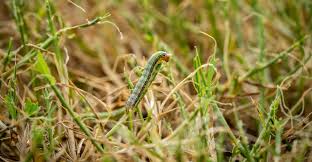
Permanent Secretary Marcus O. Ogunbiyi underlined the economic strain caused by recurring attacks from Fall Armyworm, Ginger blight, Tuta absoluta and other destructive species. He pointed out that smallholder farmers suffer the most because many lack resources for recovery.
Ogunbiyi said the revised strategy prioritizes prevention, early detection and sustainable Integrated Pest Management methods that combine biological, cultural, mechanical and chemical controls. The Ministry also acknowledged the technical support of international partners, including the Food and Agriculture Organisation.
Officials concluded that once validated, the strategy will guide long-term measures to strengthen plant health, secure food production and boost agricultural resilience.