

Close Menu
The North JournalsThe North Journals

    Subscribe to Updates

    Get the latest creative news from FooBar about art, design and business.

    What's Hot

    The Open Gate: Why Nigeria Can’t Stop the Surge of Small Arms from the Sahel

    April 2, 2026

    MMS Emerges as Game-Changer in Nigeria’s Fight Against Anaemia

    April 2, 2026

    Growing Glaucoma Crisis in Nigeria Raises Alarm Among Health Experts

    April 2, 2026
    Facebook X (Twitter) Instagram YouTube
    • ABOUT US
    • WORK WITH US
    • CONTACT US
    Thursday, April 2
    Facebook X (Twitter) Instagram
    Subscribe
    The North JournalsThe North Journals
    • Home
    • Newsbeat
      • Agriculture
      • Art/Life
      • Business
      • Economy
      • Education
      • Entertainment
      • Health
      • Judiciary
      • News
      • Technology
      • Travel
      • Foreign
    • Editorial
    • Opinion
      • Diaries
    • Travelogue
    • Journals
      • Engineering
      • History
      • Law
      • Medicine
      • Politics
      • Research
      • Science
      • Climate Change
      • Psychology
      • Sociology
    • Documentaries
    • Guest Post
    The North JournalsThe North Journals
    Home » SINK OR SWIM: Seychelles’ Frontline Battle Against the Indian Ocean Offers Blueprint for West Africa
    Foreign

    SINK OR SWIM: Seychelles’ Frontline Battle Against the Indian Ocean Offers Blueprint for West Africa

    The North JournalsBy The North JournalsApril 2, 2026No Comments3 Mins Read
    Facebook Twitter Pinterest LinkedIn Tumblr Email
    Share
    Facebook Twitter LinkedIn Pinterest Email

    By Ibrahim Babangida Lawal

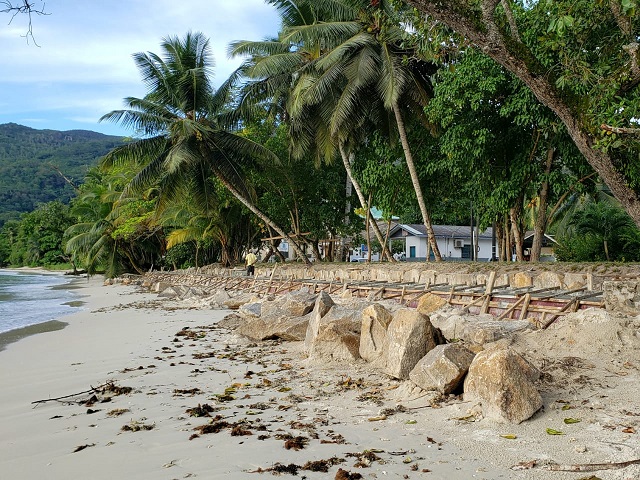
    On the southwestern coast of Seychelles, the turquoise waters no longer whisper leisure. They warn. What appears to tourists as a postcard-perfect shoreline on Mahé is, for residents, a frontline in a quiet but relentless battle against coastal erosion.

    Here, the high-tide mark is no longer a natural boundary. It is an advancing threat.

    Across West Africa, from the Bight of Benin to the Gambian coast, experts say the unfolding reality in Seychelles may hold urgent lessons for a region facing similar environmental pressures.

    The Disappearing Shoreline

    In coastal communities such as Anse Royale and Beau Vallon, the effects of erosion are stark. Granite boulders that once lay buried beneath vegetation now stand exposed, hammered daily by waves. Fishermen recount how shorelines have retreated dramatically within a single generation, describing what they call “creeping tides.”

    Scientific data reinforces these observations. While global sea levels are rising at an average rate of about 3.5 millimeters annually, Small Island Developing States like Seychelles experience amplified consequences. A marginal increase in sea level can translate into several meters of beach loss during storm surges.

    Rethinking Coastal Defense

    For decades, many coastal regions relied on concrete barriers to hold back the sea. But Seychelles is now shifting away from these “grey infrastructure” solutions, which often fail by redirecting wave energy and worsening erosion elsewhere.

    Instead, the country is embracing nature.

    In Roche Caiman, mangrove forests are being restored as natural buffers. Their dense root systems stabilize the soil and absorb wave energy, acting as living shields against the ocean’s force.

    See also  Iran Denies Missile Launch After Ceasefire as Israel Confirms Interceptions

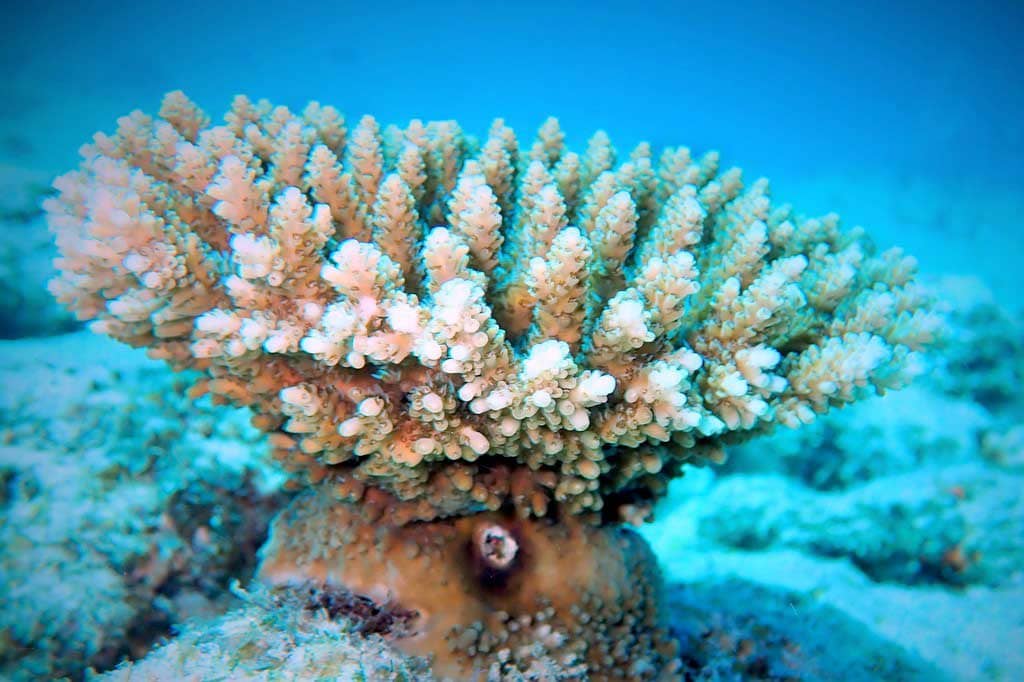
    Further offshore near Praslin, coral restoration projects are underway. Divers cultivate coral nurseries that grow into reefs, forming submerged barriers that weaken incoming waves before they reach the coastline.

    Lessons for West Africa

    Analysts observing Seychelles’ evolving strategy say it offers a practical model for West African nations grappling with coastal vulnerability.

    First is the concept of enforcing development setbacks. Seychelles strictly prohibits construction within 25 to 50 meters of the high-water mark. For fast-growing urban centers like Victoria Island, such measures could prove critical in preventing future displacement crises.

    Second is the recognition of nature as infrastructure. By treating mangroves as economic and environmental assets, Seychelles has accessed international “blue finance” to fund conservation-driven resilience efforts.

    Third is the role of community involvement. Local beach monitoring groups track erosion patterns, generating real-time data that complements satellite analysis and informs policy decisions.

    When Retreat Becomes Inevitable

    Despite these efforts, not all land can be saved.

    Authorities in Seychelles have begun implementing “managed retreat” strategies, relocating roads, power systems, and even homes away from vulnerable zones. Using high-resolution mapping and predictive data, these decisions are guided by long-term risk assessments rather than emergency reactions.

    It is a costly and complex process, but one officials describe as unavoidable.

    A Shared Coastline, A Shared Future

    Thousands of kilometers away, the coastal realities of Seychelles echo along Nigeria’s shores. The salt-laden breeze that sweeps across Anse à la Mouche is no different from the spray along Lagos’ Atlantic edge.

    The message is clear. Rising seas are not a distant threat. They are a present danger demanding immediate, coordinated action.

    See also  Lula Slams Trump’s “Tariff Blackmail” as Brazil-U.S. Trade Tensions Escalate

    Seychelles may not be able to stop the tide. But in its blend of ecological innovation, policy enforcement, and community engagement, it is demonstrating something equally powerful: how to live with it, adapt to it, and, where possible, outmaneuver it.

    For West Africa, the question is no longer whether the waters will rise. It is whether the region will be ready when they do.
    Share. Facebook Twitter Pinterest LinkedIn Tumblr Email
    The North Journals

    Related Posts

    Researchers, Farmers, Policymakers Convene in Tamale to Tackle Floods and Drought Crisis in Northern Ghana

    March 20, 2026

    UN Assembly Passes $3.45bn Regular Budget for 2026

    December 31, 2025

    Libya Reopens National Museum After 14 Years of War

    December 30, 2025
    Leave A Reply Cancel Reply

    This site uses Akismet to reduce spam. Learn how your comment data is processed.

    Our Picks
    Stay In Touch
    • Facebook
    • Twitter
    • Pinterest
    • Instagram
    • YouTube
    • Vimeo
    Don't Miss

    The Open Gate: Why Nigeria Can’t Stop the Surge of Small Arms from the Sahel

    Headlines April 2, 2026

    By Aminu Adamu There is a village in Zamfara State where the people no longer…

    MMS Emerges as Game-Changer in Nigeria’s Fight Against Anaemia

    April 2, 2026

    Growing Glaucoma Crisis in Nigeria Raises Alarm Among Health Experts

    April 2, 2026

    SINK OR SWIM: Seychelles’ Frontline Battle Against the Indian Ocean Offers Blueprint for West Africa

    April 2, 2026

    Subscribe to Updates

    Get the latest creative news from SmartMag about art & design.

    About Us
    About Us

    The North Journals is a hybrid publication that combines the power of investigative journalism with the depth of research-driven analysis. Rooted in Nigeria and inspired by Pan-African realities, we tell stories that matter — stories of people, communities, and issues often left out of mainstream narratives.
    Address: Abuja, Nigeria
    Email Us: info@thenorthjournals.com

    Our Picks
    New Comments
    • Theophilus Thomas on A School-Based Book Club Model Is Rebuilding Reading Habits Among Students in Zaria
    • Sani Tijjani Ibrahim on Book Review: Abandoned
    • Home
    • Travel
    • Politics
    • Business
    • Buy Now
    © 2026 The North Journals. Designed by AkinMore.

    Type above and press Enter to search. Press Esc to cancel.

    Ad Blocker Enabled!
    Ad Blocker Enabled!
    Our website is made possible by displaying online advertisements to our visitors. Please support us by disabling your Ad Blocker.