

Close Menu
The North JournalsThe North Journals

    Subscribe to Updates

    Get the latest creative news from FooBar about art, design and business.

    What's Hot

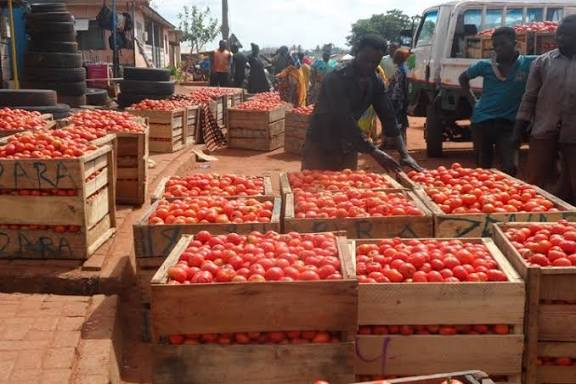
    Tomato Imports Signal Regional Complementarity, Not Local Shortage — CCCFS

    February 26, 2026

    How a Multi-Million Naira School Became a Ghost Project

    February 24, 2026

    Adamawa Police Honours CP Dankombo Morris at Award and Commendation Ceremony

    February 18, 2026
    Facebook X (Twitter) Instagram YouTube
    • ABOUT US
    • WORK WITH US
    • CONTACT US
    Thursday, February 26
    Facebook X (Twitter) Instagram
    Subscribe
    The North JournalsThe North Journals
    • Home
    • Newsbeat
      • Agriculture
      • Art/Life
      • Business
      • Economy
      • Education
      • Entertainment
      • Health
      • Judiciary
      • News
      • Technology
      • Travel
      • Foreign
    • Editorial
    • Opinion
      • Diaries
    • Travelogue
    • Journals
      • Engineering
      • History
      • Law
      • Medicine
      • Politics
      • Research
      • Science
      • Climate Change
      • Psychology
      • Sociology
    • Documentaries
    • Guest Post
    The North JournalsThe North Journals
    Home » Tomato Imports Signal Regional Complementarity, Not Local Shortage — CCCFS
    Economy

    Tomato Imports Signal Regional Complementarity, Not Local Shortage — CCCFS

    The North JournalsBy The North JournalsFebruary 26, 2026Updated:February 26, 2026No Comments3 Mins Read
    Facebook Twitter Pinterest LinkedIn Tumblr Email
    Share
    Facebook Twitter LinkedIn Pinterest Email

    The Centre for Climate Change & Food Security (CCCFS) has strongly condemned a recent terrorist attack targeting tomato traders traveling between Ghana and Burkina Faso, describing the incident as a blow to regional economic integration.

    In a statement released on Tuesday, the CCCFS expressed profound sorrow over the killings and extended condolences to the victims’ families, whose livelihoods depend on secure cross-border commerce. The organization emphasized that the attack should be viewed within a security and economic context and not as a failure of Ghana’s agricultural sector.

    Trade as a Strategic Choice, Not Failure

    The CCCFS pushed back against narratives suggesting that importing tomatoes from Burkina Faso indicates domestic insufficiency. Instead, the group argued that such trade is a “strategic economic practice” and a practical application of the African Continental Free Trade Area (AfCFTA) principles of regional complementarity.

    According to the center, Burkina Faso holds a distinct geographical advantage for tomato production:

     * Climatic Advantage: Burkina Faso’s upstream location in the Volta Basin provides natural irrigation.

     * Water Resources: The Black, White, and Red Volta rivers originate there, supporting structured dry-season vegetable production.

     * Infrastructure: Significant investments in dams and irrigation allow Burkina Faso to provide a consistent supply even when seasonal fluctuations limit production in Ghana.

    “Ghanaian traders sourcing tomatoes from Burkina Faso is a practical application of ECOWAS and AfCFTA integration,” the CCCFS stated, noting that these imports stabilize markets in major urban centers like Accra, Kumasi, and Tamale during local harvest shortages.

    Economic Resilience and Security

    The organization highlighted that intra-regional agricultural trade contributes billions of dollars annually to West African economies. By sourcing from neighbors with climatic advantages, Ghanaian farmers and processors can focus on other competitive crops, thereby maintaining market resilience.

    See also  AfroCuration Ghana 2025 Celebrates African Identity with Wikipedia Drive in Seven Indigenous Languages

    However, the CCCFS warned that the rising insecurity along trade corridors threatens these gains. The group noted that protecting traders is essential for:

     * Maintaining stable supply chains.

     * Keeping food prices affordable.

     * Supporting smallholder farmers and women-led businesses.

    Ruby Damenshie-Brown, the Climate Change & Gender Affairs Officer at CCCFS, called for immediate intervention from regional bodies. The center’s demands include:

     * A swift and transparent investigation into the terrorist attack.

     * Strengthened security coordination between ECOWAS and bilateral partners to protect traders.

     * Reinforced safeguards for AfCFTA trade corridors.

     * Public communication to clarify that cross-border commerce is a legitimate and strategic activity.

    “Protecting cross-border traders is protecting regional integration, food security, and livelihoods,” Damenshie-Brown concluded.

    cross-border terrorism Ghana traders
    Share. Facebook Twitter Pinterest LinkedIn Tumblr Email
    The North Journals

    Related Posts

    How a Multi-Million Naira School Became a Ghost Project

    February 24, 2026

    Adamawa Police Honours CP Dankombo Morris at Award and Commendation Ceremony

    February 18, 2026

    Valentine’s Day: Adamawa Residents Celebrate Love, Family and Reflection

    February 18, 2026
    Leave A Reply Cancel Reply

    This site uses Akismet to reduce spam. Learn how your comment data is processed.

    Our Picks
    Stay In Touch
    • Facebook
    • Twitter
    • Pinterest
    • Instagram
    • YouTube
    • Vimeo
    Don't Miss

    Tomato Imports Signal Regional Complementarity, Not Local Shortage — CCCFS

    Economy February 26, 2026

    The Centre for Climate Change & Food Security (CCCFS) has strongly condemned a recent terrorist…

    How a Multi-Million Naira School Became a Ghost Project

    February 24, 2026

    Adamawa Police Honours CP Dankombo Morris at Award and Commendation Ceremony

    February 18, 2026

    Valentine’s Day: Adamawa Residents Celebrate Love, Family and Reflection

    February 18, 2026

    Subscribe to Updates

    Get the latest creative news from SmartMag about art & design.

    About Us
    About Us

    The North Journals is a hybrid publication that combines the power of investigative journalism with the depth of research-driven analysis. Rooted in Nigeria and inspired by Pan-African realities, we tell stories that matter — stories of people, communities, and issues often left out of mainstream narratives.
    Address: Abuja, Nigeria
    Email Us: info@thenorthjournals.com

    Our Picks
    New Comments
    • Theophilus Thomas on A School-Based Book Club Model Is Rebuilding Reading Habits Among Students in Zaria
    • Sani Tijjani Ibrahim on Book Review: Abandoned
    • Home
    • Travel
    • Politics
    • Business
    • Buy Now
    © 2026 The North Journals. Designed by AkinMore.

    Type above and press Enter to search. Press Esc to cancel.

    Ad Blocker Enabled!
    Ad Blocker Enabled!
    Our website is made possible by displaying online advertisements to our visitors. Please support us by disabling your Ad Blocker.