

Close Menu
The North JournalsThe North Journals

    Subscribe to Updates

    Get the latest creative news from FooBar about art, design and business.

    What's Hot

    Adamawa Police Arrest Son For Allegedly Masterminding Father’s Abduction In N2m Ransom Plot

    February 14, 2026

    “Plateau at a Crossroads: Why Chris Kwaja Matters Now” – Aminu Adamu

    February 14, 2026

    IEU Urges Government To Recruit Arabic Teachers As Trained Graduates Remain Unemployed

    February 6, 2026
    Facebook X (Twitter) Instagram YouTube
    • ABOUT US
    • WORK WITH US
    • CONTACT US
    Sunday, February 15
    Facebook X (Twitter) Instagram
    Subscribe
    The North JournalsThe North Journals
    • Home
    • Newsbeat
      • Agriculture
      • Art/Life
      • Business
      • Economy
      • Education
      • Entertainment
      • Health
      • Judiciary
      • News
      • Technology
      • Travel
      • Foreign
    • Editorial
    • Opinion
      • Diaries
    • Travelogue
    • Journals
      • Engineering
      • History
      • Law
      • Medicine
      • Politics
      • Research
      • Science
      • Climate Change
      • Psychology
      • Sociology
    • Documentaries
    • Guest Post
    The North JournalsThe North Journals
    Home » Investigatory Brief: The Constituency Cost of Senator Natasha Akpoti-Uduaghan’s Suspension
    Headlines

    Investigatory Brief: The Constituency Cost of Senator Natasha Akpoti-Uduaghan’s Suspension

    The North JournalsBy The North JournalsSeptember 24, 2025No Comments3 Mins Read
    Facebook Twitter Pinterest LinkedIn Tumblr Email
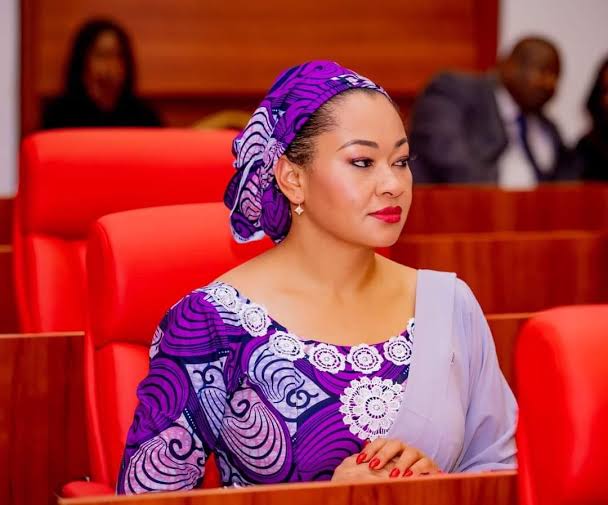
    Suspended Kogi senator returns after court ruling, vows defiance as Senate shifts resumption to October 7
    Suspended Kogi senator returns after court ruling, vows defiance as Senate shifts resumption to October 7
    Share
    Facebook Twitter LinkedIn Pinterest Email

    By Aminu Adamu

    When Senator Natasha Akpoti-Uduaghan was suspended in March, the decision in Abuja quickly translated into silence in Kogi Central. The sealing of her office cut her off from the normal machinery of constituency work, letters unanswered, aides unable to function, and projects left in bureaucratic limbo. In Nigeria’s political system, where senators serve not just as lawmakers but as direct patrons for their districts, this absence was immediately felt. Constituents depend on their representatives for scholarships, small grants, jobs, and oversight of federal projects. The closure of her office was therefore more than punishment for a senator, it was collective punishment for the voters who sent her to the chamber.

    What the Constituency Lost

    Nigeria’s budget system allocates hundreds of millions of naira yearly to senators under the Zonal Intervention Projects (ZIPs), designed to fund boreholes, rural electrification, health centers, and training programs. For Kogi Central in 2025, community leaders point to several projects that stalled during Natasha’s suspension: boreholes in Okene and Adavi, scholarship schemes for polytechnic students, and rehabilitation works on feeder roads in Ihima. Women traders who had applied for micro-grants said their files “went cold,” while youths awaiting vocational training were left in uncertainty. The ripple effects were both economic and psychological, projects delayed meant livelihoods disrupted and faith in governance weakened.

    Beyond Money: Trust and Morale

    The deprivation went beyond unfinished projects. Constituents expressed frustration that their voices no longer carried weight in Abuja. Town-hall meetings thinned out, and civil society groups reported an erosion of trust in democratic institutions. For Natasha’s female supporters, the suspension was read as a gendered silencing: a warning of what happens when a woman challenges entrenched power. The sense of disenfranchisement extended beyond her base, it touched the broader community, which felt excluded from decision-making processes that continued in the capital without their input.

    See also  Nasarawa Police Ban Tyre Burning During New Year Celebrations

    How Other Democracies Handle It

    In other countries, suspension of lawmakers does not equate to suspension of representation. In the United States, senators under ethics probes keep their constituency offices running under staff oversight. In South Africa, parliamentary discipline does not extend to shutting down constituency services. Nigeria, however, ties access to constituency work directly to the senator’s standing in Abuja. This conflation leaves ordinary people paying the price for elite disputes. It highlights a structural weakness: institutions punish individuals by effectively silencing entire constituencies.

    A Case for Reform

    The Natasha suspension has underscored a need for reform. Constituency functions should not collapse simply because a legislator is being disciplined. Mechanisms could include leaving constituency offices operational under neutral administrators, ensuring independent monitoring of constituency projects during suspensions, and publishing real-time ZIP allocation data for public accountability. Such reforms would protect voters from becoming collateral damage in political battles.

    For six months, Kogi Central stood in the shadows of Abuja’s disciplinary drama, its projects delayed and its people effectively voiceless. The unsealing of Senator Natasha Akpoti-Uduaghan’s office restores her access, but the damage to her constituency’s trust will take longer to repair. Her suspension serves as a reminder that in Nigeria’s democracy, when institutions blur the line between disciplining lawmakers and silencing representation, it is the citizens who bear the heaviest cost.

    constituency rights democracy gender politics Kogi Central Natasha Akpoti Uduaghan Nigeria governance Nigerian Senate political suspension Rule of Law women in politics
    Share. Facebook Twitter Pinterest LinkedIn Tumblr Email
    The North Journals

    Related Posts

    Adamawa Police Arrest Son For Allegedly Masterminding Father’s Abduction In N2m Ransom Plot

    February 14, 2026

    “Plateau at a Crossroads: Why Chris Kwaja Matters Now” – Aminu Adamu

    February 14, 2026

    IEU Urges Government To Recruit Arabic Teachers As Trained Graduates Remain Unemployed

    February 6, 2026

    Comments are closed.

    Our Picks
    Stay In Touch
    • Facebook
    • Twitter
    • Pinterest
    • Instagram
    • YouTube
    • Vimeo
    Don't Miss

    Adamawa Police Arrest Son For Allegedly Masterminding Father’s Abduction In N2m Ransom Plot

    News February 14, 2026

    By Acheli Obidah Fwa The Adamawa State Police Command has arrested three men, including a…

    “Plateau at a Crossroads: Why Chris Kwaja Matters Now” – Aminu Adamu

    February 14, 2026

    IEU Urges Government To Recruit Arabic Teachers As Trained Graduates Remain Unemployed

    February 6, 2026

    Tochukwu Nnadi joins Olympique de Marseille from Zulte Waregem

    February 4, 2026

    Subscribe to Updates

    Get the latest creative news from SmartMag about art & design.

    About Us
    About Us

    The North Journals is a hybrid publication that combines the power of investigative journalism with the depth of research-driven analysis. Rooted in Nigeria and inspired by Pan-African realities, we tell stories that matter — stories of people, communities, and issues often left out of mainstream narratives.
    Address: Abuja, Nigeria
    Email Us: info@thenorthjournals.com

    Our Picks
    New Comments
    • Theophilus Thomas on A School-Based Book Club Model Is Rebuilding Reading Habits Among Students in Zaria
    • Sani Tijjani Ibrahim on Book Review: Abandoned
    • Home
    • Travel
    • Politics
    • Business
    • Buy Now
    © 2026 The North Journals. Designed by AkinMore.

    Type above and press Enter to search. Press Esc to cancel.

    Ad Blocker Enabled!
    Ad Blocker Enabled!
    Our website is made possible by displaying online advertisements to our visitors. Please support us by disabling your Ad Blocker.