

Close Menu
The North JournalsThe North Journals

    Subscribe to Updates

    Get the latest creative news from FooBar about art, design and business.

    What's Hot

    19 in 20 Nigerian health facilities fall short of basic medical waste standard – WHO/UNICEF

    August 21, 2026

    Lagos roundtable to drive new investment in Africa’s forest economy

    August 19, 2026

    How Nigeria is using local data to change the fight against malaria

    August 13, 2026
    Facebook X (Twitter) Instagram YouTube
    • ABOUT US
    • WORK WITH US
    • CONTACT US
    Monday, August 24
    Facebook X (Twitter) Instagram
    Subscribe
    The North JournalsThe North Journals
    • Home
    • Newsbeat
      • Agriculture
      • Art/Life
      • Business
      • Economy
      • Education
      • Entertainment
      • Health
      • Judiciary
      • News
      • Technology
      • Travel
      • Foreign
    • Editorial
    • Opinion
      • Diaries
    • Travelogue
    • Journals
      • Engineering
      • History
      • Law
      • Medicine
      • Politics
      • Research
      • Science
      • Climate Change
      • Psychology
      • Sociology
    • Documentaries
    • Guest Post
    The North JournalsThe North Journals
    Home » Zambian Farmers Turn to Crop Wild Relatives to Combat Climate Change
    Climate Change

    Zambian Farmers Turn to Crop Wild Relatives to Combat Climate Change

    The North JournalsBy The North JournalsFebruary 18, 2025Updated:April 4, 2025No Comments3 Mins Read
    Facebook Twitter Pinterest LinkedIn Tumblr Email
    Zambian Farmers Turn to Crop Wild Relatives to Combat Climate Change
    Zambian Farmers Turn to Crop Wild Relatives to Combat Climate Change
    Share
    Facebook Twitter LinkedIn Pinterest Email

    By Masiye Tembo

    “With climate change threatening food security in Zambia and beyond, CWRs present a promising avenue for building agricultural resilience“

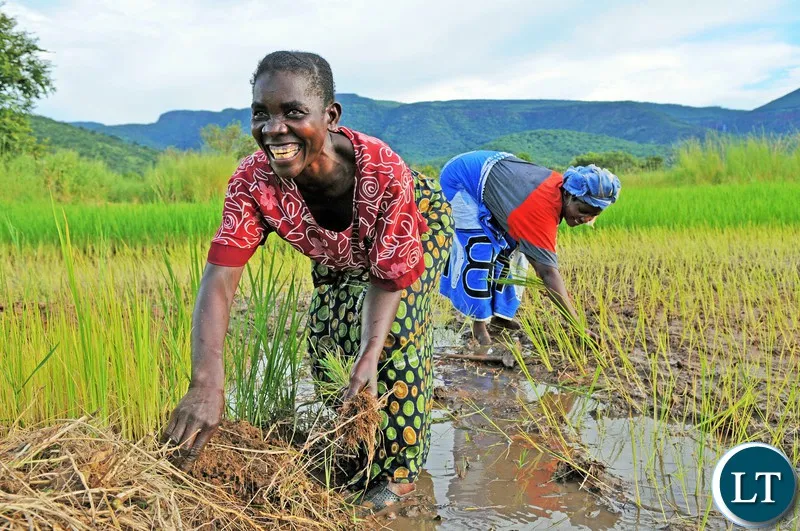
    In the face of increasing climate variability, smallholder farmers in Lukolongo Agricultural Camp, Kafue District, Zambia, are discovering a potential lifeline: crop wild relatives (CWRs). A recent study conducted by climate change scientist Masiye Tembo, in collaboration with Mulungushi University’s Prof. Chansa Chomba and Eng. Francis Sichilima, highlights the role of CWRs in enhancing food security and agricultural resilience.

    The study, conducted between January 28 and February 20, 2024, examined the occurrence and utilization of CWRs among local farmers. These wild plant species, closely related to cultivated crops, possess valuable genetic traits such as drought resistance and pest tolerance. According to Tembo, “Harnessing the potential of CWRs can provide a vital solution to enhance food and nutrition security, particularly in regions like Lukolongo that are vulnerable to environmental stressors.”

    Rich Biodiversity but Limited Knowledge

    Findings from the study reveal a diverse presence of CWRs in the region, particularly during the rainy season. Wild cucumber (Cucumis africanus) emerged as the most prevalent species, followed by bitter tomato (Solanum incanum) and bush yams (Dioscorea praehensilis). However, despite their abundance, many farmers lack sufficient knowledge on how to integrate these plants into their agricultural practices effectively.

    While 98% of respondents were familiar with CWRs, a significant knowledge gap was identified, especially concerning their conservation and potential use. “The study found that while CWRs are valued for their food and medicinal properties, their integration into farming remains low due to limited awareness and technical knowledge,” Tembo noted.

    See also  Africa's Climate Superhero: Peatlands Under Threat, Expert Warns

    Barriers to Utilization

    The research identified several challenges limiting the adoption of CWRs. Legal restrictions, difficulties in identifying species, lack of specialized knowledge, and inadequate infrastructure were cited as major obstacles. Additionally, socio-cultural factors, such as perceived risks and lack of market demand, further hindered their widespread use. “More than 79% of respondents were unaware of the advantages of CWRs, underscoring the urgent need for targeted education programs,” said Tembo.

    Proposed Solutions and Government Role

    To enhance the sustainable utilization of CWRs, the study recommends the establishment of community-led conservation programs, educational initiatives, and seed banks. Furthermore, it calls for government investment in research and policy support to create an enabling environment for CWR adoption.

    “Government intervention is crucial,” Tembo emphasized. “Developing policies that support CWR conservation, investing in research, and improving infrastructure such as irrigation and storage facilities can significantly boost their utilization.”

    A Call to Action

    With climate change threatening food security in Zambia and beyond, CWRs present a promising avenue for building agricultural resilience. The findings of this study serve as a wake-up call for policymakers, researchers, and farmers to collaborate in preserving and integrating these invaluable plant species into sustainable farming systems.

    As Prof. Chomba aptly stated, “The future of agriculture lies in embracing biodiversity. By leveraging the genetic resources of crop wild relatives, we can build a food-secure Zambia that is resilient to environmental shocks.”


    For further details, the full research report by Masiye Tembo and his colleagues provides an in-depth analysis of the challenges and opportunities associated with CWRs in Lukolongo Agricultural Camp.

    Journal Paper_Masiye TemboDownload

    climate change Zambia
    Share. Facebook Twitter Pinterest LinkedIn Tumblr Email
    The North Journals

    Related Posts

    Africa turns to science to fight climate health threats as new consortium launches in Ghana

    July 16, 2026

    El Niño threat raises fears of floods, disease and drought across East Africa and Asia

    July 16, 2026

    Auditing Impunity: The Sentinel Network and the Forensic Fight for Kano’s Rivers

    May 3, 2026

    Comments are closed.

    Our Picks
    Stay In Touch
    • Facebook
    • Twitter
    • Pinterest
    • Instagram
    • YouTube
    • Vimeo
    Don't Miss

    19 in 20 Nigerian health facilities fall short of basic medical waste standard – WHO/UNICEF

    Headlines August 21, 2026

    About 19 in every 20 health care facilities in Nigeria fall short of the basic…

    Lagos roundtable to drive new investment in Africa’s forest economy

    August 19, 2026

    How Nigeria is using local data to change the fight against malaria

    August 13, 2026

    Retired Ghanaian miner rejects calls for special treatment for Adamus Resources Limited

    August 13, 2026

    Subscribe to Updates

    Get the latest creative news from SmartMag about art & design.

    About Us
    About Us

    The North Journals is a hybrid publication that combines the power of investigative journalism with the depth of research-driven analysis. Rooted in Nigeria and inspired by Pan-African realities, we tell stories that matter — stories of people, communities, and issues often left out of mainstream narratives.
    Address: Abuja, Nigeria
    Email Us: info@thenorthjournals.com

    Our Picks
    New Comments
    • Theophilus Thomas on A School-Based Book Club Model Is Rebuilding Reading Habits Among Students in Zaria
    • Sani Tijjani Ibrahim on Book Review: Abandoned
    • Home
    • Travel
    • Politics
    • Business
    • Buy Now
    © 2026 The North Journals. Designed by AkinMore.

    Type above and press Enter to search. Press Esc to cancel.

    Ad Blocker Enabled!
    Ad Blocker Enabled!
    Our website is made possible by displaying online advertisements to our visitors. Please support us by disabling your Ad Blocker.