




DOUALA, Cameroon
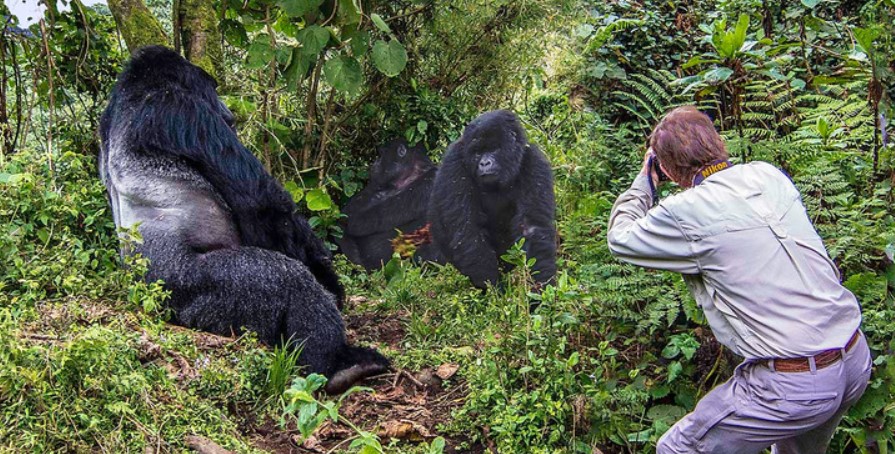
A rare show of unity among conservation groups has yielded a major breakthrough in the fight to save the Cross River Gorilla, the world’s most endangered gorilla subspecies, as fewer than 300 individuals remain scattered across forest fragments along the Nigeria–Cameroon border.
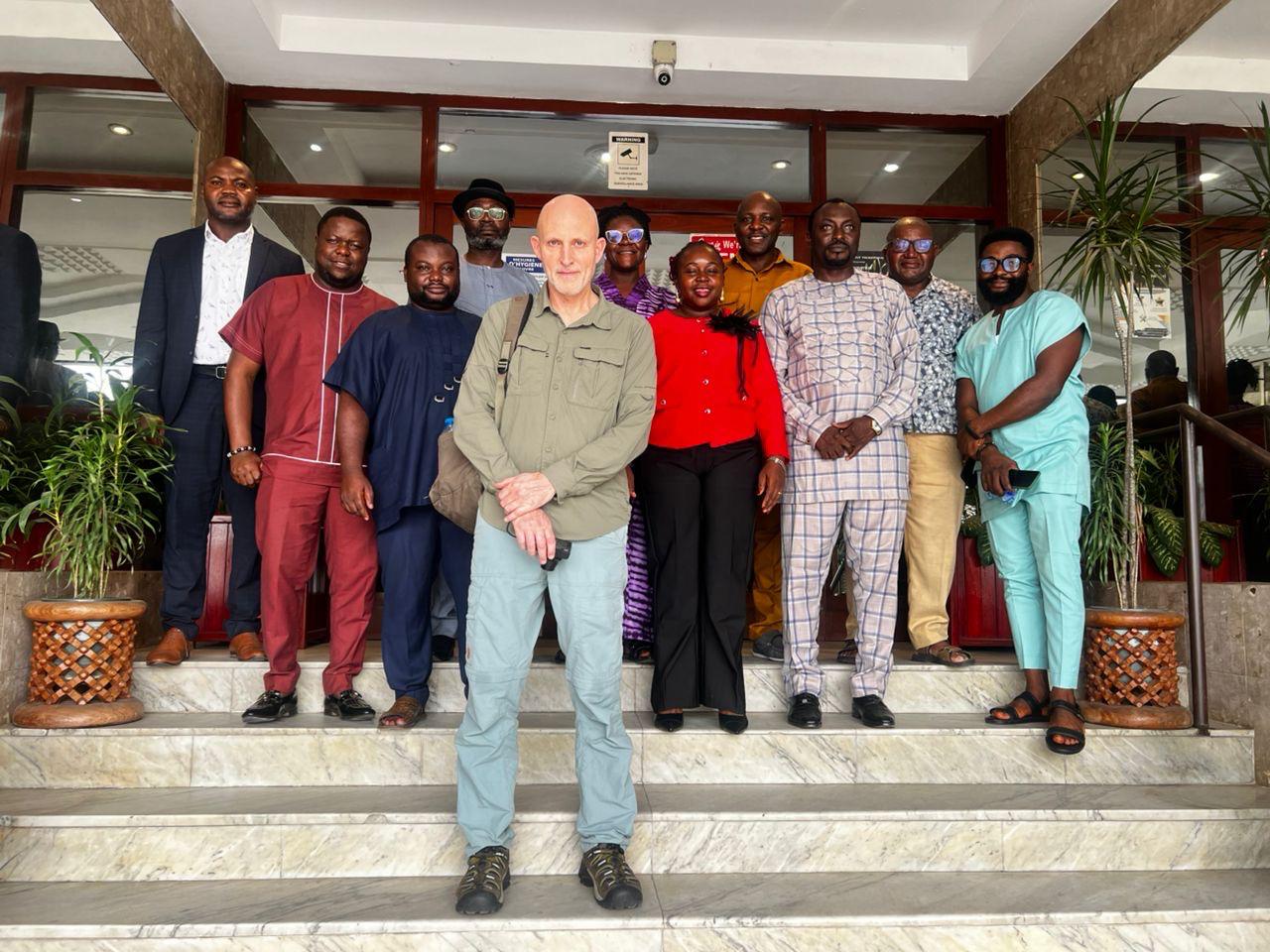
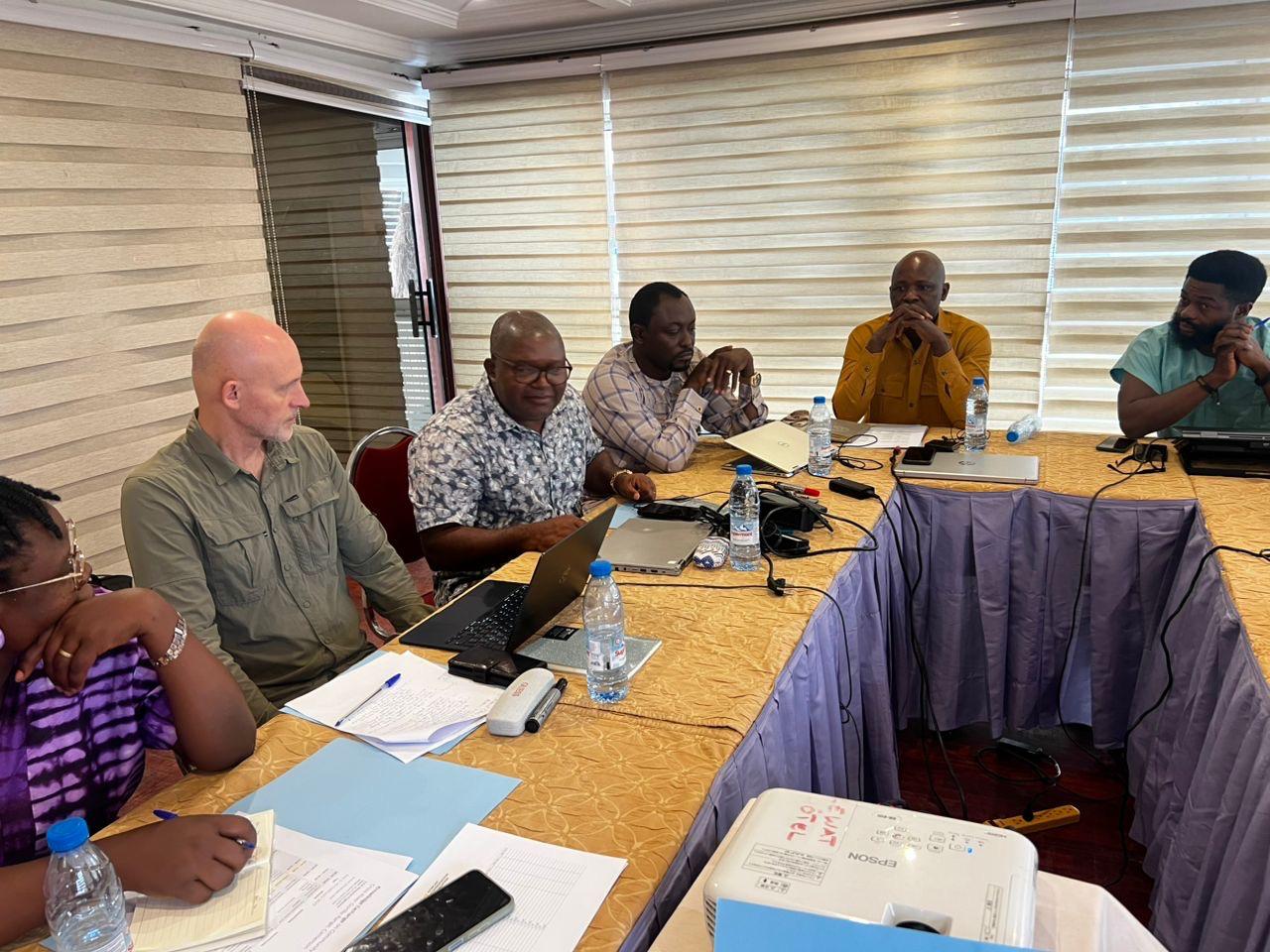
At a three-day knowledge exchange workshop held in Douala from February 25 to 27, nine conservation organisations came together to form what experts describe as a long-overdue coordinated front against the species’ imminent extinction.
Convened by the African Conservation Foundation and funded through Conservation Connect, the workshop — titled Knowledge Exchange on Community Forests in the Cross River Gorilla Range — was co-facilitated by the Environment and Rural Development Foundation (ERuDeF) and CEPOW Cameroon.
A Species on the Brink
Participants opened discussions with a stark assessment: the Cross River Gorilla faces an existential crisis driven largely by habitat fragmentation. Once continuous forests have been broken into isolated patches, limiting movement between gorilla groups and reducing genetic diversity — a key factor in long-term survival.


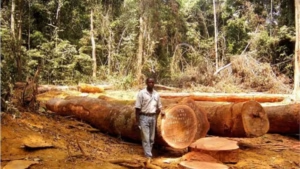
Other threats identified included deforestation, weak enforcement of environmental laws, insecurity disrupting conservation patrols, and widespread poverty pushing local communities toward unsustainable forest use.
“The reality is sobering,” one participant noted during closed-door sessions. “Without coordinated intervention, extinction is no longer a distant risk — it is a near-term possibility.”
From Diagnosis to Strategy
Rather than dwell solely on the crisis, the organisations mapped out practical responses. Central among them is the restoration of ecological corridors to reconnect fragmented habitats across key landscapes, including Takamanda, Tofala, Kagwene–Mbulu, and the Rumpi Hills forest block.

Equally critical is the strengthening of community-based conservation systems, a model long championed by Environment and Rural Development Foundation (ERuDeF), which positions local populations as custodians rather than adversaries of wildlife protection.
Participants also emphasized the need for closer collaboration with government authorities and the expansion of sustainable livelihood programmes aimed at reducing dependence on forest exploitation.
Science Takes Centre Stage
The workshop’s second day shifted focus to the science underpinning conservation efforts. A key highlight was the introduction of the SMART (Spatial Monitoring and Reporting Tool) system by CBMM, a digital platform designed to standardise field data collection, track threats, and improve enforcement coordination.
Experts also explored emerging technologies such as satellite monitoring, drone surveillance, and environmental DNA (eDNA) analysis, tools that allow researchers to detect wildlife presence without direct sightings.
For conservationists working in dense and remote forest landscapes, these innovations are expected to significantly improve data accuracy and decision-making across the entire gorilla range.
Linking Conservation to Livelihoods
Recognising that conservation cannot succeed in isolation from human realities, the workshop placed strong emphasis on livelihood solutions. Agroforestry, beekeeping, aquaculture, mushroom farming, and ecotourism were identified as viable pathways to reduce pressure on forests while supporting local economies.
Participants also highlighted the growing potential of carbon credit financing, positioning forest conservation within global climate markets as a sustainable revenue stream for long-term protection efforts.
A New Alliance Takes Shape
The most significant outcome came on the final day with the formal agreement to establish a Cross River Gorilla Community-Led Conservation Alliance, a regional coordination mechanism designed to unify efforts across organisational and geographic boundaries.
The alliance will be hosted by the Environment and Rural Development Foundation (ERuDeF), which will serve as Secretariat, overseeing coordination, communication, governance development, and implementation of a 12-month action plan.
Its framework is built around six pillars: community engagement, biodiversity monitoring, livelihood development, communication and advocacy, sustainable financing, and shared governance.
Observers say the decision underscores ERuDeF’s growing influence in regional conservation, particularly given its ongoing work in the Tofala Hill Wildlife Sanctuary, a critical habitat within the gorilla’s range.
A Turning Point for Conservation
The Douala workshop marks a pivotal moment for the Cross River Gorilla, a species widely regarded as hanging on “by the slimmest of margins.”
For the organisations involved, the message was clear: fragmented efforts can no longer match the scale of the threat.
What emerges instead is a unified, science-driven, and community-centred approach , one that recognises that the survival of one of the world’s rarest primates now depends not on isolated action, but on sustained collective resolve.