









By Sheku Desmond
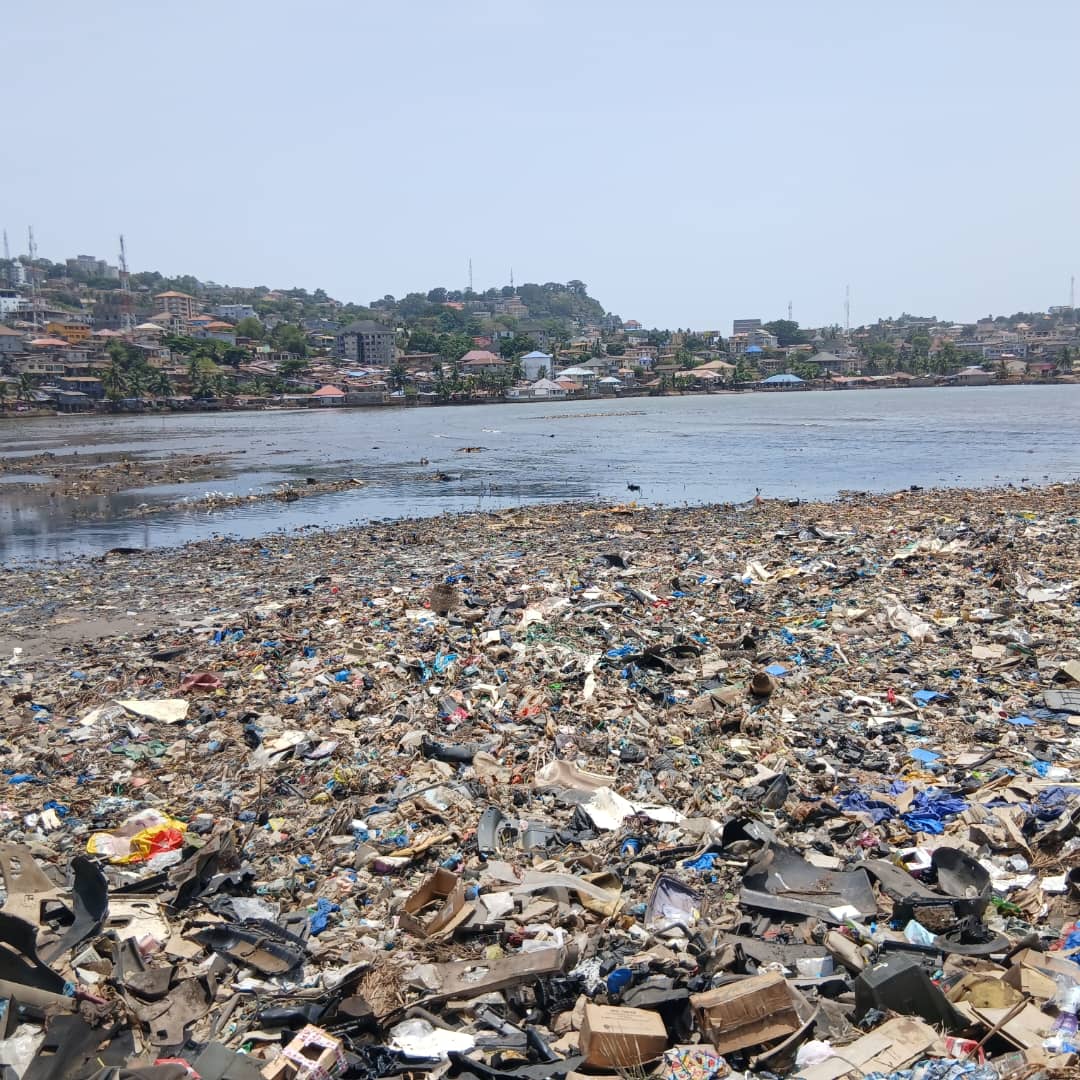
Residents of Kolloh Town and Bonga Town in Freetown have launched a community-led initiative to plant mangrove trees in low-lying areas of their neighborhoods, in a bid to curb the devastating flooding that has long plagued both communities during Sierra Leone’s rainy season.
The initiative, driven entirely by community members, targets waterlogged slum areas where rainwater accumulates and causes the most damage. Community leaders say they are ready to execute the plan but are calling on the government and development organizations for financial and logistical support before the rains begin.
Kolloh Town, located in the West Area of Freetown, is among the capital’s most flood-prone settlements. For years, seasonal flooding has disrupted livelihoods, destroyed household property, and left residents in cycles of loss and recovery they struggle to break.
“Over the years, community members have endured pain and economic hardship due to the destruction floods bring every rainy season,” said Daniel Jones, the community chairman. “Many efforts have been made by stakeholders to address the problem, but they only provided temporary relief. Within days, the destruction would return.”
Jones said the decision to plant mangrove trees in the most vulnerable areas marks a turning point for both communities. Mangroves, known for their dense root systems, are widely recognised as an effective natural barrier against flooding and coastal erosion. He stressed, however, that the plan’s success depends on external support. “We need the government and other organisations or individuals to come on board for this to have real impact before the rainy season begins,” he said.
For many residents, the urgency of the initiative is deeply personal. Kadiatu Sesay, who lives close to one of the most affected areas, described the ordeal flooding imposes on her family each year.
“When the floods come, I take my children to the nearby mosque and return to drain the water from my home,” she said. “Sometimes the flooding happens at night, and we cannot protect our belongings. Our clothes, cooking utensils, the children’s school uniforms, everything is at risk.”
Sesay added her voice to calls for government intervention, urging authorities and humanitarian organisations to provide financial and material support to flood-prone communities ahead of the rainy season.
The consequences of inaction carry a particularly heavy toll for the most vulnerable. Mariama Kamara, a single mother of a 13-year-old daughter, recounted how last year’s floods wiped out savings she had set aside for food and her daughter’s schooling.
“I lost two thousand five hundred leones meant for foodstuffs and my daughter’s school needs,” she said. “When flooding occurs, it takes away everything I have saved. I have no husband, no adult at home to help me protect what little I have. It takes months before I am financially stable again.”
Kamara has been the sole provider for her family for more than six years following the death of her husband.
The Kolloh and Bonga Town mangrove initiative reflects a growing recognition among Freetown’s flood-affected communities that long-term environmental solutions, rather than emergency responses, are needed to address recurring disaster. Community leaders and residents alike are urging the government and relevant agencies to treat the rainy season as a deadline, not an afterthought, and to support grassroots preparedness efforts already underway.
Other flood-prone communities across Freetown are also being encouraged to consider similar mangrove planting schemes as a replicable and low-cost model for disaster risk reduction.
Sheku Desmond reports on community affairs and environmental issues in Sierra Leone.


