




By Aminu Adamu
In the heart of cities like Lagos, Abuja, Yola and Maiduguri, the Nigeria’s bustling economic hubs for hospitality, that are once-vibrant corridors of renowned hotel businesses now echo with an unsettling quietness. The usual influx of international guests, many affiliated with non-governmental organizations NGOs, has dwindled to a trickle. This scene is not isolated. Across Africa, the hospitality, travel, and tourism sectors are grappling with an unforeseen adversary: the suspension of U.S. foreign aid under President Donald Trump’s administration.
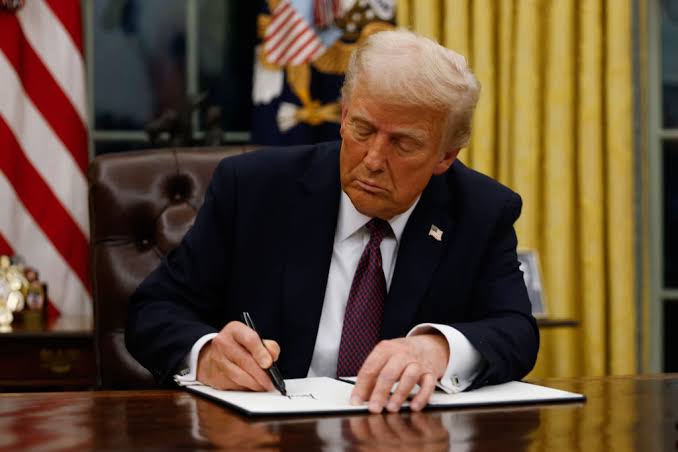
On January 20, 2025, President Trump signed an executive order titled “Reevaluating and Realigning United States Foreign Aid,” initiating a 90-day halt on all U.S. foreign development assistance. This pause mandates a comprehensive review to assess the alignment of aid programs with U.S. foreign policy and their “programmatic efficiency.” The immediate effect? A significant disruption in the operations of NGOs that rely heavily on U.S. funding, especially in developing nations like Nigeria.
The implications of this suspension are profound. Nigeria, a country that received approximately $767 million in U.S. assistance in 2024 alone, now faces a potential annual shortfall of around $1 billion in health and humanitarian interventions if the suspension persists. This funding has been pivotal in supporting various sectors, including health, education, and agriculture. For instance, in 2024, U.S. assistance provided malaria prevention medicine to 2.2 million Nigerian children and supported 13 million girls with Human Papillomavirus (HPV) vaccinations aimed at preventing cancer.
The cessation of such aid doesn’t merely impact the direct beneficiaries of these programs. The ripple effects extend to the broader economy, particularly the hospitality and tourism industries. NGOs have been instrumental in driving international travel to Nigeria and other African nations. Conferences, workshops, and field projects have consistently brought in a steady stream of international visitors, filling hotels, patronizing local businesses, and contributing to the vibrancy of the tourism sector.
Consider the case of Abuja, Nigeria’s capital. The city has frequently hosted international health conferences, many organized by NGOs funded by U.S. aid. These events attract participants from around the globe, leading to increased hotel bookings, restaurant patronage, and utilization of local transport services. With the suspension of aid, many of these events are being postponed or canceled, leading to a noticeable decline in business for local service providers.
The statistics are telling. According to the Nigerian Tourism Development Corporation, international arrivals in Nigeria had been on a steady rise, with a significant percentage attributed to NGO-related activities. In 2023, for example, NGO-affiliated travel accounted for approximately 15% of international arrivals. The sudden suspension of aid threatens to reverse this trend, leading to potential revenue losses in the millions of dollars for the tourism sector.
Moreover, the suspension has broader implications for regional stability and security, factors that are intrinsically linked to the health of the tourism industry. U.S. aid has historically supported programs aimed at conflict resolution, governance, and economic development. The halt of such programs could exacerbate existing challenges, leading to increased insecurity, a scenario that deters tourists and investors alike.
In countries like Kenya and Uganda, where tourism constitutes a significant portion of the GDP, the impact is even more pronounced. The Maasai Mara in Kenya and Uganda’s Bwindi Impenetrable National Park, both popular tourist destinations, have seen decreased bookings. Tour operators attribute this decline to reduced NGO activities, which previously brought in numerous international visitors who often combined work with leisure, embarking on safaris and cultural tours during their stay.
The aviation industry is not spared either. Airlines operating within Africa have reported a drop in bookings, particularly on routes popular with NGO workers. This decline affects not only the airlines but also ancillary services such as airport transfers, catering, and local guides.
Local economies that have developed around NGO activities are feeling the strain. In regions where NGOs have been active, small businesses, ranging from local eateries to craft markets, have thrived by catering to international staff and visitors. The sudden decrease in clientele threatens the livelihoods of many who have become dependent on the patronage of NGO-related activities.
The suspension also poses challenges for future investments in the tourism sector. Investors, wary of the instability caused by fluctuating foreign aid policies, may become hesitant to commit resources to new hospitality projects or expansions. This hesitancy could stall infrastructure development, which is crucial for attracting and accommodating tourists.
However, amidst these challenges, there lies an opportunity for African nations to reassess and recalibrate their dependence on foreign aid. Yunusa Zakari Ya’u, Executive Director of the Centre for Information Technology and Development (CITAD) in Kano, Nigeria, views the suspension as a wake-up call. He emphasizes the need for African countries to mobilize their resources for development rather than relying on foreign assistance. This perspective advocates for a more sustainable approach to economic development, one that could eventually lead to a more resilient tourism sector less susceptible to external shocks.
In the interim, stakeholders in the hospitality and tourism industries have to explore strategies to mitigate the impact. Diversifying target markets, promoting domestic tourism, and developing new attractions are some of the measures that can be considered. There should also be a concerted effort to strengthen regional collaboration, creating multi-country tourism packages to attract visitors.
while the suspension of U.S. foreign aid under President Trump’s administration presents significant challenges for Nigeria and Africa’s hospitality, travel, and tourism sectors, it also offers a pivotal moment for introspection and strategic realignment. By leveraging this opportunity, African nations can work towards building a more self-reliant and robust tourism industry, one that thrives on its intrinsic attractions and the resilience of its people.

No Comments
This is very insightful 👏