











By Fasila Alhassan
The Islamic Education Unit (IEU) has called on the government to urgently recruit more Arabic language teachers into Ghana’s public school system, warning that the continued neglect of trained graduates is worsening an already critical shortage.
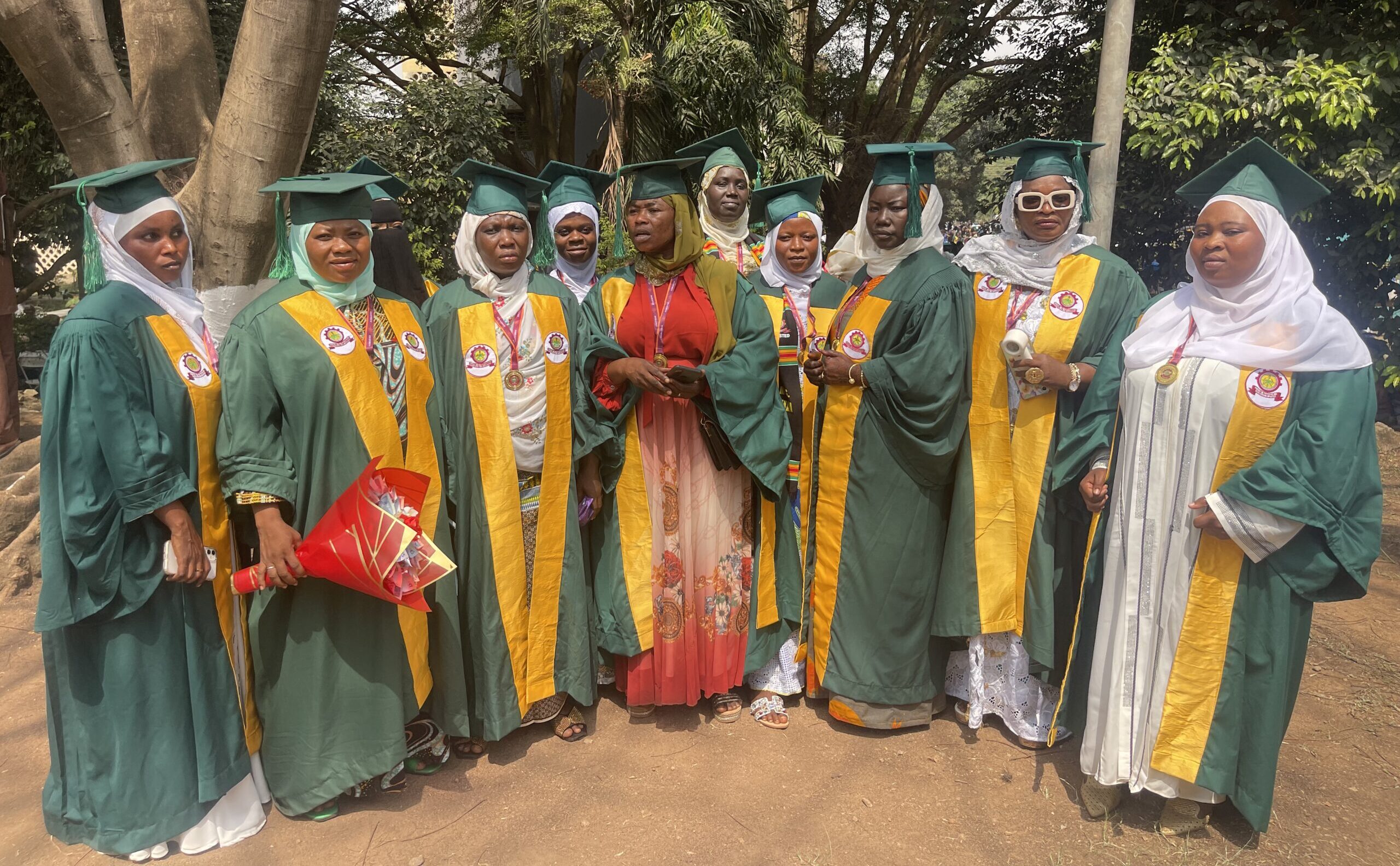
The Ashanti Regional Manager of the IEU, Mohammed Yussif, made the appeal at a graduation ceremony held at the Akenten Appiah-Menka University of Skills Training and Entrepreneurial Development (AAMUSTED), where newly trained Arabic teachers completed a professional teacher education programme.
“Our main challenge is that we currently lack Arabic teachers in the system. We are therefore pleading with the government to recruit Arabic teachers,” Mr Yussif said.
He explained that the professional training offered by AAMUSTED equips Arabic instructors with the qualifications required for registration and licensing by the National Teaching Council (NTC), a statutory requirement under Ghana’s Education Act.
Section 9 of the Education Act, 2008 (Act 778), mandates the NTC to regulate the teaching profession through the registration and licensing of all teachers in the country.
However, Mr Yussif noted that for many years, the absence of formal teacher training pathways for Arabic instructors prevented them from meeting licensing requirements, limiting their chances of government employment.
To address the gap, the Ashanti Regional Management of the IEU partnered with AAMUSTED to provide structured professional teacher education for Arabic instructors.
Since the programme began in 2020, more than 1,000 Arabic teachers have graduated from the initiative, with women accounting for about 30 per cent of beneficiaries, according to IEU officials.
Despite their qualifications, many of the graduates remain unemployed or unabsorbed into the public education system.
One of the graduates, Abdul Jawad Mustapha, said the lack of government recruitment has left many trained Arabic teachers teaching without formal recognition.
“Many of my colleagues are already teaching Arabic but lack official recognition from the government. We appeal for employment opportunities, especially since Arabic is now recognised and examined by the West African Examinations Council (WAEC),” he said.
Mr Mustapha added that the AAMUSTED training has prepared graduates to deliver quality instruction and improve student outcomes in national examinations.
Another beneficiary, Abdul Nasir Mohammed, said the programme would significantly improve the quality of Arabic language instruction across schools.
“This training will enhance our teaching of Arabic. I am very thankful for this opportunity,” he said.
Female graduate Rukayat Abdul Malik described the programme as life-changing, saying it had renewed her academic ambitions.
“Education has no end. This opportunity has motivated me to pursue my degree and even explore further academic horizons. I encourage all Muslim women to take advantage of such programmes,” she said.
The IEU–AAMUSTED partnership reflects broader efforts to professionalise Arabic education in Ghana, as stakeholders push for equal recognition of Arabic teachers within the national education framework.
Education advocates say absorbing the trained graduates into the public system would not only address teacher shortages but also strengthen the teaching of Arabic, now a recognised and examinable subject nationwide.


