




By Ishioma Appiah-Yeboah
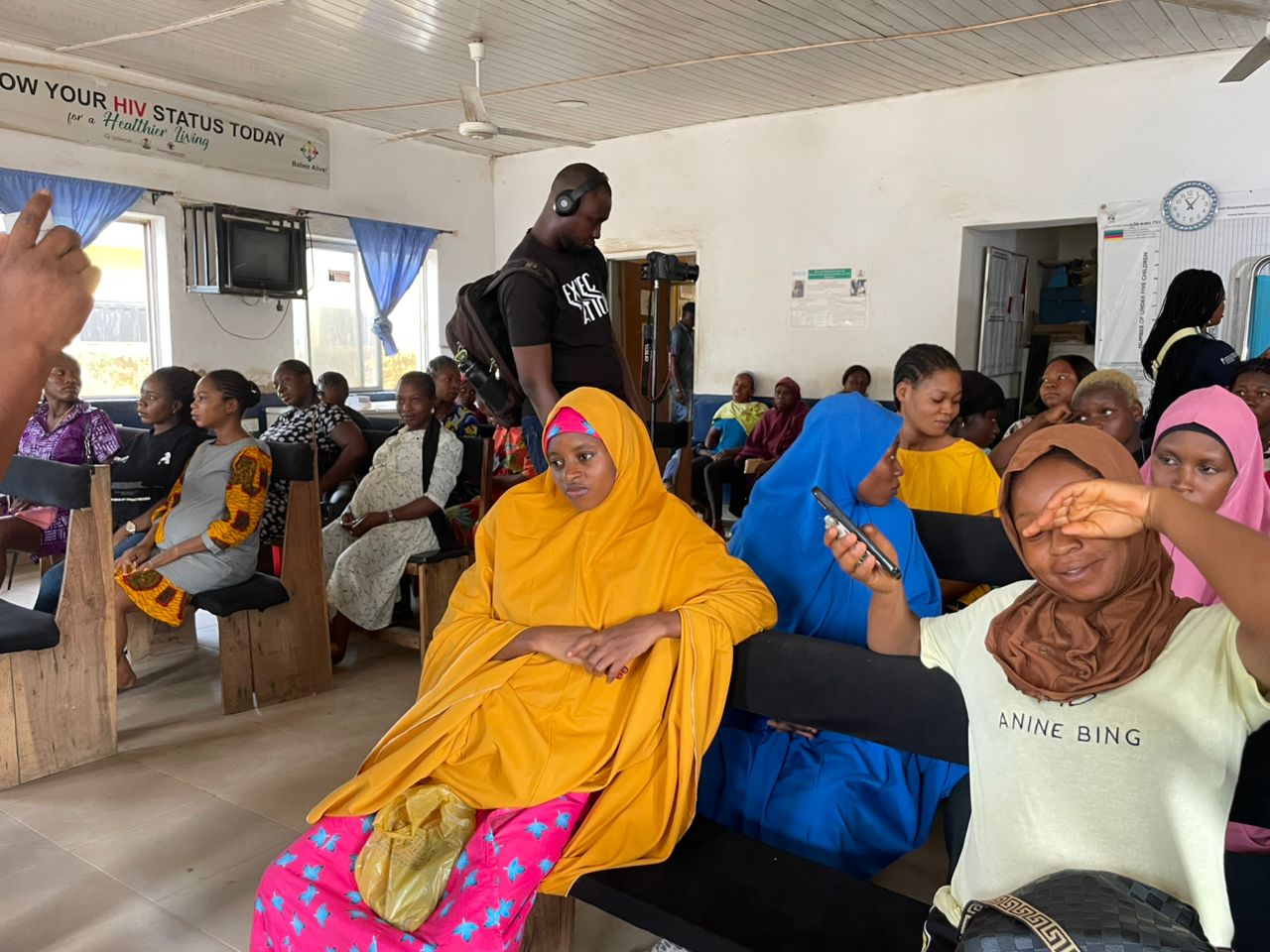
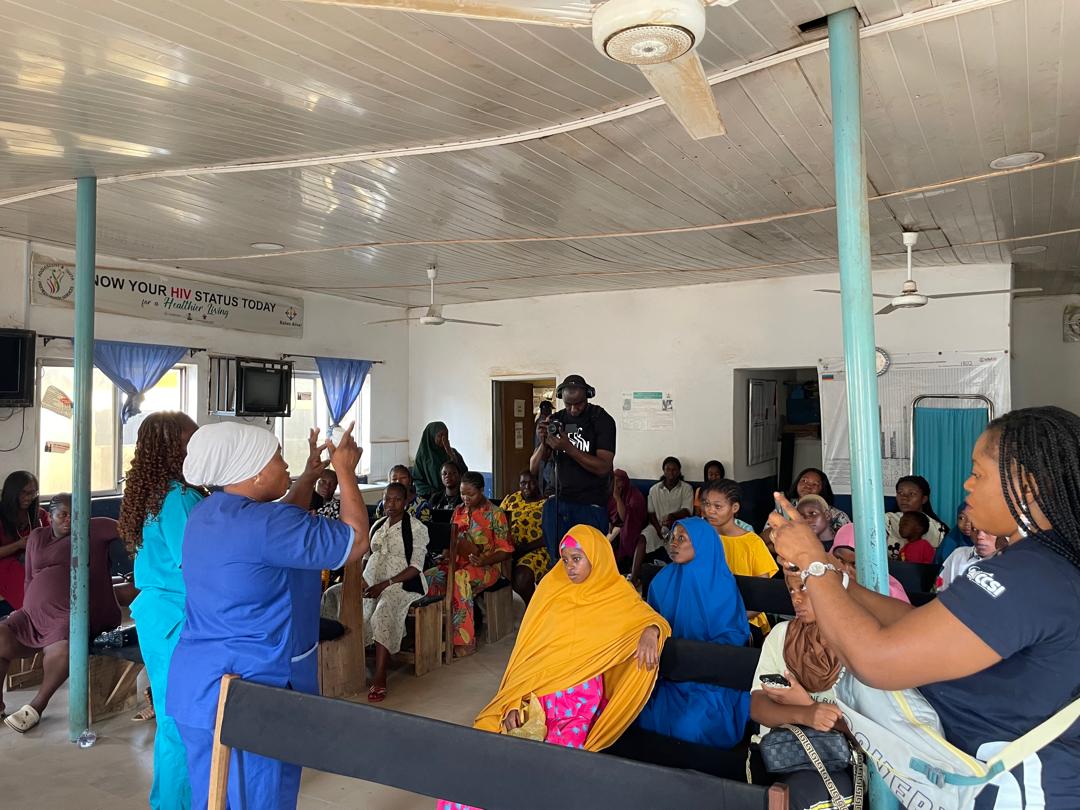
At a busy primary health centre in Dutse Alhaji, Bwari Area Council of Abuja, six-months pregnant Mrs. Precious Innocent sits quietly among other expectant mothers. Her story reflects a subtle but powerful transformation unfolding in Nigeria’s maternal healthcare system.
Her concern began at her first antenatal visit.
“When I did the test here for the first time, they told me that my blood was a little bit low. The nurses advised me to keep taking my drugs and eat more vegetables,” she recalled.
Soon after enrolling for antenatal care, she was introduced to Multiple Micronutrient Supplements, known as MMS — a decision she says is already making a difference.
“When I came back the second time, they tested my blood again and said it was improving. They told me to continue because the drugs are important for me and my unborn child,” she said.
MMS are tablets that contain a combination of essential vitamins and minerals tailored for pregnant women. Designed to improve maternal nutrition and support healthy fetal development, growing evidence shows they can reduce cases of low birth weight, stillbirths, and anaemia, while improving overall pregnancy outcomes.
In Nigeria, the supplements are being rolled out through collaboration between the Federal Ministry of Health and international partners, gradually becoming part of routine antenatal care. Globally, organisations such as the World Health Organization and UNICEF support their use, particularly in countries burdened by widespread nutrient deficiencies.
For Precious, the difference between her current pregnancy and her first experience in 2015 is striking.
“That time, they gave us just two drugs. It was not like now. Now, immediately you register, they give you everything. It has helped me. I can eat better than before,” she explained.
She takes one tablet daily, even though it sometimes causes mild nausea.
“Now I feel healthy. I can do my work without stress. Before, I couldn’t even bend well,” she added.
Like many women at the facility, she received a full bottle of 180 tablets free of charge and has been advised to continue taking them even after delivery.
A Widespread Health Crisis
Precious’ experience reflects a much larger national challenge. Nigeria continues to battle high rates of anaemia among pregnant women — a condition that weakens mothers and puts unborn children at serious risk.
Health data indicates that more than 60 percent of pregnant women in the country are anaemic, making it one of the most pressing maternal health issues. With an estimated 12 million pregnancies each year, the need for effective nutritional interventions remains vast.
Experts warn that anaemia contributes significantly to Nigeria’s high maternal mortality rate, which is estimated at over 1,000 deaths per 100,000 live births — among the highest globally. Without intervention, the condition often worsens as pregnancy progresses, increasing risks for both mother and child.
Inside the Clinic: Early Signs of Progress
Healthcare providers at the Dutse Alhaji facility say the introduction of MMS is already yielding positive results.
Dr. Deborah Adebanke Joshua, the Officer in Charge, explained that antenatal care has become more preventive in approach.
“Before MMS, we used only iron and folic acid. But with MMS, everything is combined in one tablet, making it more convenient,” she said.
According to her, the shift is already visible.
“We have seen fewer cases of anaemia, and women who were anaemic at booking are restored before delivery.”
She confirmed that the supplements are given free to pregnant women immediately after registration, with each receiving a bottle of 180 tablets for daily use.
However, she noted ongoing challenges, including staff shortages and limited space during busy clinic days, warning that sustaining the programme will require consistent funding and institutional support.
Policy Backing: A “Game Changer”
At the policy level, health officials describe MMS as a major breakthrough in tackling maternal malnutrition.
The State Nutrition Officer of the FCT Primary Health Care Board described the intervention as transformative.
“It is a game changer because it contains 15 micronutrients compared to the two found in iron folic acid,” she said.
She added that MMS is better tolerated by many women, improving adherence.
“Research shows better outcomes, and mothers accept it more because it doesn’t have the strong smell of iron folic acid, which often causes nausea and poor compliance.”
While MMS is not a cure-all, she emphasised that it significantly improves birth outcomes when combined with proper antenatal care.
She also issued a warning against misuse.
“MMS is free and not for sale. Anyone found selling it will be dealt with according to public service rules. We even deploy mystery shoppers to monitor facilities.”
The Funding Question
Stakeholders say the long-term success of MMS in Nigeria will depend heavily on sustained financing.
Peter Solusola, Communications and Campaign Manager at the Civil Society-Scaling Up Nutrition in Nigeria (CS-SUNN), described the supplements as a major upgrade in maternal care.
“MMS contains 15 micronutrients — iron and folic acid plus 13 additional essential vitamins needed for pregnancy. It has been proven to produce better outcomes than IFA,” he said.
He noted that MMS has now been integrated into antenatal care guidelines, marking a significant policy shift.
Solusola also highlighted the role of the Child Nutrition Fund, managed by UNICEF.
“If the Federal Government pledges ₦10 billion, the fund matches it with another ₦10 billion. It is an opportunity that will not last forever. It ends in 2030,” he said.
He urged authorities at all levels to act swiftly to maximise the funding window and expand access nationwide.
Hope for Mothers
For women like Precious, MMS represents more than just a medical intervention. It is a source of strength, reassurance, and hope.
Her experience mirrors that of many Nigerian women navigating pregnancy under challenging conditions, where access to proper nutrition can determine outcomes.
As she prepares for delivery, her advice is simple:
“Just follow what the nurses tell you and take your drugs. It will help you and your baby.”
In a country grappling with a silent but deadly burden of maternal anaemia, that message may be one of the most powerful prescriptions yet.
