








By Saheed Babajide Owonikoko and Kelvin Ashindorbe
As registered voters hit record highs, turnout collapsed to historic lows, raising fears about the substance and future of Nigeria’s democracy
Nigeria’s democracy is facing a quiet but profound crisis: voters are staying away from the polls in unprecedented numbers.
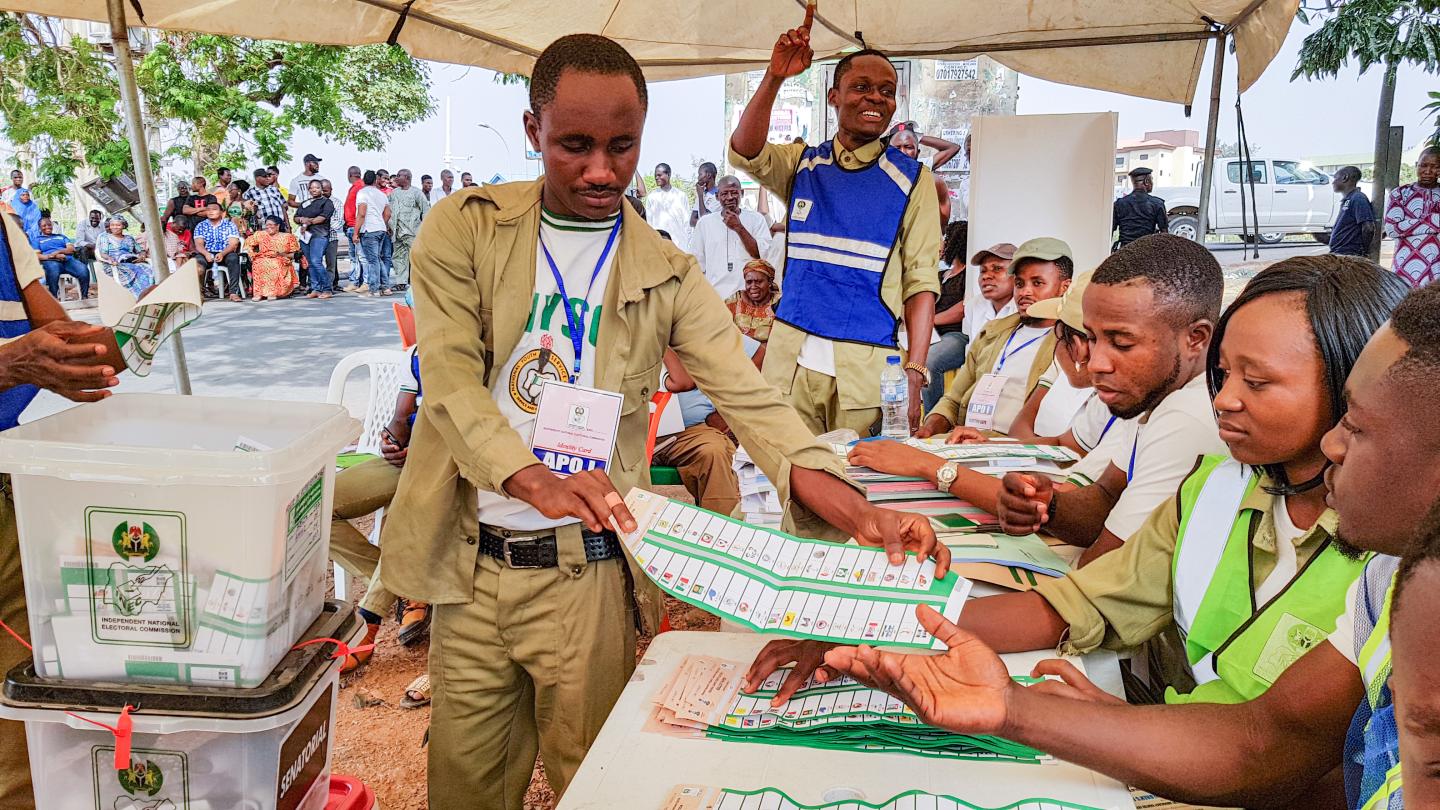
Despite a steady rise in the number of registered voters since the country returned to civilian rule in 1999, participation in general elections has fallen sharply, reaching its lowest point in the 2023 polls. Only about 28.6 per cent of eligible voters cast ballots in the last presidential election, the worst turnout recorded in Nigeria’s Fourth Republic .
This dramatic decline, documented in a recent peer-reviewed study by Saheed Babajide Owonikoko and Kelvin Ashindorbe, reflects more than voter apathy. It exposes deep-seated problems in Nigeria’s political system, ranging from worsening insecurity and electoral violence to economic hardship, voter suppression and eroding trust in the country’s election management body .
A democracy growing, but participation shrinking
Between 1999 and 2023, Nigeria’s number of registered voters increased by nearly 69 per cent, rising from about 59.9 million to over 87.2 million. Yet the number of votes cast moved in the opposite direction.
Turnout peaked in 2003 at 69 per cent, before entering a long and steady decline. By 2015, participation had dropped below 45 per cent. In 2019, it fell further to 34.8 per cent, and in 2023, barely one in four eligible voters showed up to vote .
The contradiction is stark: more Nigerians are registered to vote than ever before, but fewer believe voting is worth the risk, effort or expectation.
The early years: hope, manipulation and fragile transitions
The 1999 election that ended military rule was conducted amid widespread scepticism. After decades of aborted transition programmes and the annulment of the widely acclaimed June 12, 1993 election, many Nigerians doubted the military would relinquish power.
Although official figures suggested turnout exceeded 50 per cent, international observers reported massive inflation of results. In some states, polling units with fewer than 100 voters were later recorded as having full turnout, calling into question the credibility of the figures released by authorities .
The optimism of the 2003 civilian-to-civilian transition briefly lifted participation, but that election was also marred by political assassinations, violence and allegations of vote manipulation. While official turnout was the highest in Nigeria’s democratic history, analysts argue it likely overstated actual voter engagement.
Elections as “do-or-die” contests
By 2007, elections had become openly militarised political battles. President Olusegun Obasanjo’s declaration that the polls were a “do or die affair” set the tone for what observers described as Nigeria’s most flawed election since 1999.
Ballot snatching, intimidation and widespread rigging undermined public confidence. Although official turnout again exceeded 50 per cent, even the declared winner, Umaru Musa Yar’Adua, publicly admitted the process was deeply defective .
The damage to voter trust proved long-lasting.
Reform, violence and fragile credibility
The 2011 election marked a technical improvement. A cleaned-up voters’ register, biometric accreditation and better logistics restored some confidence in the electoral process. Turnout rose modestly, particularly in stronghold regions.
Yet the election was followed by deadly post-poll violence that claimed more than 800 lives, especially in northern Nigeria. For many citizens, participation came to be associated not with democratic choice, but with physical danger .
Insecurity, hardship and shrinking faith
From 2015 onward, turnout collapsed under the weight of insecurity and economic decline. Boko Haram insurgency in the North-East, banditry in the North-West, farmer-herder violence in the Middle Belt and separatist tensions in the South-East turned voting into a high-risk activity.
In 2019, widespread displacement, poverty and allegations of partisan use of security forces coincided with turnout falling below 35 per cent. Analysts note that many Nigerians simply prioritised survival over civic participation .
2023: excitement without participation
The 2023 election initially appeared different. Youth-driven enthusiasm, especially around new political alternatives, triggered a surge in voter registration. Expectations of a highly competitive race ran high.
But election day told another story.
Attacks on electoral commission offices, armed groups declaring “no-go” areas, and widespread reports of voter suppression, particularly in urban centres, kept millions away from polling units. In Lagos and other states, voters were reportedly harassed or prevented from voting based on perceived ethnicity or political preference, often in full view of security personnel .
Economic distress compounded the problem. Cash shortages caused by currency redesign, fuel queues, and rising poverty levels, over 63 per cent of Nigerians living in multidimensional poverty, further discouraged participation .
The introduction of new election technology, while aimed at curbing fraud, also disenfranchised millions who failed to collect their voter cards in time.
The result was historic: the eventual winner of the presidential election secured votes from just about 10 per cent of eligible voters, the lowest mandate recorded since 1999 .
Minority rule, legitimacy crisis
The research shows a troubling pattern: Nigerian presidents are increasingly elected by shrinking minorities, while the vast majority of citizens remain disengaged.
This has serious implications. Political elites, analysts warn, may no longer feel accountable to the wider population, knowing elections can be won without broad participation. At the same time, governments elected by narrow mandates struggle with legitimacy, deepening public cynicism and weakening democratic norms .
Falling behind Africa
Comparative data places Nigeria among the lowest voter-turnout democracies in Africa. Countries such as Ghana, Kenya, Liberia and South Africa consistently record participation rates far above Nigeria’s, even amid political competition and economic strain .
This contrast challenges Nigeria’s self-image as Africa’s leading democracy.
Democracy without democrats?
After 24 years of uninterrupted civilian rule, Nigeria has achieved longevity but not consolidation. Elections continue, power changes hands, but citizen engagement, the core of democratic legitimacy, is eroding.
The study concludes that unless insecurity is addressed, trust in electoral institutions rebuilt, and governance delivers tangible benefits, voter disengagement may worsen. A democracy where citizens increasingly opt out, the authors warn, risks becoming democratic in form but hollow in substance.


