

Close Menu
The North JournalsThe North Journals

    Subscribe to Updates

    Get the latest creative news from FooBar about art, design and business.

    What's Hot

    Alliance Emerges to Save World’s Rarest Gorilla as Conservation Groups Unite in Douala

    April 7, 2026

    27-Year Study Exposes Deep Imbalance in Presidential Visits Across Nigeria

    April 6, 2026

    The Open Gate: Why Nigeria Can’t Stop the Surge of Small Arms from the Sahel

    April 2, 2026
    Facebook X (Twitter) Instagram YouTube
    • ABOUT US
    • WORK WITH US
    • CONTACT US
    Thursday, April 16
    Facebook X (Twitter) Instagram
    Subscribe
    The North JournalsThe North Journals
    • Home
    • Newsbeat
      • Agriculture
      • Art/Life
      • Business
      • Economy
      • Education
      • Entertainment
      • Health
      • Judiciary
      • News
      • Technology
      • Travel
      • Foreign
    • Editorial
    • Opinion
      • Diaries
    • Travelogue
    • Journals
      • Engineering
      • History
      • Law
      • Medicine
      • Politics
      • Research
      • Science
      • Climate Change
      • Psychology
      • Sociology
    • Documentaries
    • Guest Post
    The North JournalsThe North Journals
    Home » World Health Assembly Adopts Pandemic Agreement, Africa Pushes for Equity in Pathogen Sharing
    Health

    World Health Assembly Adopts Pandemic Agreement, Africa Pushes for Equity in Pathogen Sharing

    Historic deal marks a milestone in global health diplomacy, but final agreement on equitable benefit-sharing remains unresolved
    Atoyebi AdenikeBy Atoyebi AdenikeJune 11, 2025No Comments3 Mins Read
    Facebook Twitter Pinterest LinkedIn Tumblr Email
    Historic deal marks a milestone in global health diplomacy, but final agreement on equitable benefit-sharing remains unresolved
    Historic deal marks a milestone in global health diplomacy, but final agreement on equitable benefit-sharing remains unresolved
    Share
    Facebook Twitter LinkedIn Pinterest Email

    By Atoyebi Nike

    In a landmark moment for global health governance, the 78th World Health Assembly on May 20, 2025, adopted the Pandemic Agreement, a new international legal framework aimed at preventing a repeat of the inequities witnessed during the COVID-19 pandemic.

    The agreement was approved by 194 Member States of the World Health Organization (WHO) after three years of negotiations. Its adoption was met with resounding applause, symbolizing the power of multilateral cooperation in shaping a more inclusive and effective global response to future pandemics.

    However, while the agreement represents a major milestone, the most contentious issue—Article 12 on Pathogen Access and Benefit Sharing (PABS)—remains unresolved. The final terms are to be negotiated in an annex that will define how pathogens are shared and how the benefits, such as vaccines and diagnostics derived from them, are equitably distributed.

    COVID-19 Lessons and the Call for Equity

    The COVID-19 crisis laid bare deep global inequities, particularly in vaccine distribution. While wealthier nations secured more doses than needed, many lower-income countries, especially in Africa, were left behind—receiving vaccines late, in insufficient quantities, or not at all.

    This injustice galvanized WHO Member States to establish an Intergovernmental Negotiating Body (INB) in 2021 to craft a new, binding pandemic treaty. For many African nations, the negotiations became a platform to demand that future access to pathogen samples be directly tied to guaranteed benefits.

    Africa’s Coordinated Push

    Led by the Africa Group of diplomats and health attachés in Geneva, and supported by the Africa CDC, African countries formed a united bloc to negotiate collectively. This unity, forged through high-level meetings in Addis Ababa and Geneva, marked a turning point in continental health diplomacy.

    See also  How U.S. Aid Cuts Threaten Global Health, and Put Everyone at Risk

    “The strength of our negotiating power came from speaking with one voice,” said one delegate. “We learned the hard way that collective health security must be the norm, not the exception.”

    Africa’s core position: no country should be expected to share vital pathogen data without guaranteed, timely, and equitable access to the resulting medical countermeasures.

    The Road Ahead

    Although the overarching Pandemic Agreement has been adopted, the path to full implementation lies in finalizing the Annex to Article 12, which will spell out obligations under the PABS system. Key elements under negotiation include:

    • Legal enforceability of benefit-sharing commitments
    • Coverage of all pathogens with pandemic potential
    • Defined timelines and access guarantees for low- and middle-income countries
    • Investment in regional manufacturing of vaccines and diagnostics

    African countries are calling for binding legal guarantees, not voluntary promises, and for greater investment in local manufacturing capabilities to reduce reliance on foreign supply chains.

    Global Health at a Crossroads

    For many, this is a second chance to address the failures of the last pandemic. The WHO agreement may set a precedent in ensuring equity is embedded in all global health responses.

    As one African negotiator paraphrased Nelson Mandela: “Never again should any country be denied access to lifesaving tools because of where they are or how much they can afford.”

    The Pandemic Agreement’s future hinges on global solidarity. For now, Africa has emerged not just as a participant—but as a powerful voice demanding a fairer world.

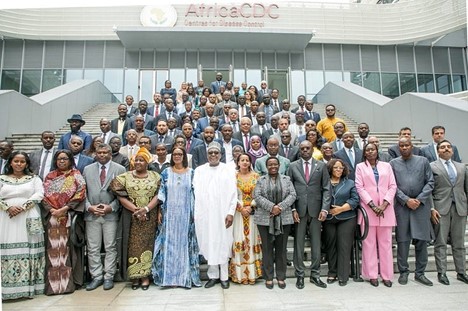
    PHOTO CREDIT AFRICA CDC

    Africa CDC COVID-19 global health Global South PABS Pandemic Agreement Pathogen Sharing vaccine equity WHO
    Share. Facebook Twitter Pinterest LinkedIn Tumblr Email
    Atoyebi Adenike
    • Website

    Related Posts

    MMS Emerges as Game-Changer in Nigeria’s Fight Against Anaemia

    April 2, 2026

    Growing Glaucoma Crisis in Nigeria Raises Alarm Among Health Experts

    April 2, 2026

    When Nurses Pick Up the Mop: Migration, Role Erosion and the Quiet Culture Shock Inside Britain’s Operating Theatres

    January 29, 2026

    Comments are closed.

    Our Picks
    Stay In Touch
    • Facebook
    • Twitter
    • Pinterest
    • Instagram
    • YouTube
    • Vimeo
    Don't Miss

    Alliance Emerges to Save World’s Rarest Gorilla as Conservation Groups Unite in Douala

    Climate Change April 7, 2026

    DOUALA, Cameroon A rare show of unity among conservation groups has yielded a major breakthrough…

    27-Year Study Exposes Deep Imbalance in Presidential Visits Across Nigeria

    April 6, 2026

    The Open Gate: Why Nigeria Can’t Stop the Surge of Small Arms from the Sahel

    April 2, 2026

    MMS Emerges as Game-Changer in Nigeria’s Fight Against Anaemia

    April 2, 2026

    Subscribe to Updates

    Get the latest creative news from SmartMag about art & design.

    About Us
    About Us

    The North Journals is a hybrid publication that combines the power of investigative journalism with the depth of research-driven analysis. Rooted in Nigeria and inspired by Pan-African realities, we tell stories that matter — stories of people, communities, and issues often left out of mainstream narratives.
    Address: Abuja, Nigeria
    Email Us: info@thenorthjournals.com

    Our Picks
    New Comments
    • Theophilus Thomas on A School-Based Book Club Model Is Rebuilding Reading Habits Among Students in Zaria
    • Sani Tijjani Ibrahim on Book Review: Abandoned
    • Home
    • Travel
    • Politics
    • Business
    • Buy Now
    © 2026 The North Journals. Designed by AkinMore.

    Type above and press Enter to search. Press Esc to cancel.

    Ad Blocker Enabled!
    Ad Blocker Enabled!
    Our website is made possible by displaying online advertisements to our visitors. Please support us by disabling your Ad Blocker.