

Close Menu
The North JournalsThe North Journals

    Subscribe to Updates

    Get the latest creative news from FooBar about art, design and business.

    What's Hot

    2027: 76% Say They’ll Vote, But Only 20% Back Continuity — New Survey Signals Strong Demand for Change

    March 1, 2026

    At Arewa House, Kwaja Invokes Ahmadu Bello’s Legacy, Challenges Northern Leaders on Unity and Industrial Vision

    February 27, 2026

    Tomato Imports Signal Regional Complementarity, Not Local Shortage — CCCFS

    February 26, 2026
    Facebook X (Twitter) Instagram YouTube
    • ABOUT US
    • WORK WITH US
    • CONTACT US
    Monday, March 2
    Facebook X (Twitter) Instagram
    Subscribe
    The North JournalsThe North Journals
    • Home
    • Newsbeat
      • Agriculture
      • Art/Life
      • Business
      • Economy
      • Education
      • Entertainment
      • Health
      • Judiciary
      • News
      • Technology
      • Travel
      • Foreign
    • Editorial
    • Opinion
      • Diaries
    • Travelogue
    • Journals
      • Engineering
      • History
      • Law
      • Medicine
      • Politics
      • Research
      • Science
      • Climate Change
      • Psychology
      • Sociology
    • Documentaries
    • Guest Post
    The North JournalsThe North Journals
    Home » Wild Africa Urges Ban on Bushmeat Trade to Prevent Future Pandemics
    Health

    Wild Africa Urges Ban on Bushmeat Trade to Prevent Future Pandemics

    Conservationists call for swift passage of wildlife bill and stronger public awareness as zoonotic threats persist in Nigeria
    Atoyebi AdenikeBy Atoyebi AdenikeJuly 14, 2025Updated:July 14, 2025No Comments3 Mins Read
    Facebook Twitter Pinterest LinkedIn Tumblr Email
    Conservationists call for swift passage of wildlife bill and stronger public awareness as zoonotic threats persist in Nigeria
    Conservationists call for swift passage of wildlife bill and stronger public awareness as zoonotic threats persist in Nigeria
    Share
    Facebook Twitter LinkedIn Pinterest Email

    By Atoyebi Nike

    Conservation group Wild Africa has issued a strong call to action, urging Nigerian authorities and citizens to confront the growing threat of zoonotic diseases by ending the illegal bushmeat trade, fast-tracking the wildlife protection bill, and safeguarding natural habitats.

    Zoonotic diseases—illnesses transmitted from animals to humans have triggered some of the deadliest outbreaks globally. Nigeria has not been spared, with Ebola, Lassa Fever, Mpox (Monkeypox), and COVID-19 all affecting its population in recent years. According to the World Health Organization, 75% of emerging infectious diseases in humans originate from animals, and 71.8% of these are linked directly to wildlife.

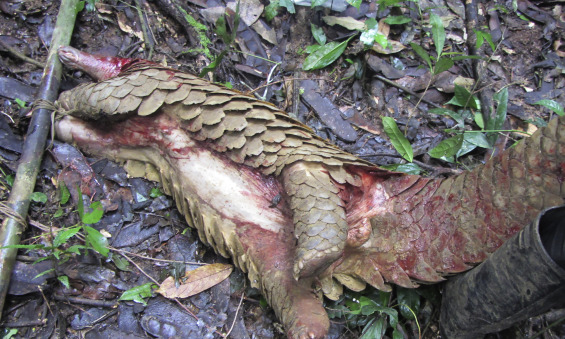
    In Nigeria, the bushmeat trade especially involving endangered species like pangolins, bats, and monkeys remains widespread, despite known risks. Markets in urban centers such as Lagos, Abuja, and Port Harcourt continue to see brisk demand, even though federal and state crackdowns during past outbreaks led to temporary closures.

    “World Zoonosis Day is a reminder that protecting wildlife means protecting human health,” said Dr. Mark Ofua, West Africa Representative for Wild Africa. “Through the One Health approach integrating human, animal, and environmental health—we can break the chain of zoonotic transmission. This requires cooperation across every level of society.”

    The NGO is advocating for the Endangered Species Conservation and Protection Bill, which recently passed its third reading in the National Assembly and is awaiting Senate deliberation. The bill, once signed into law, would significantly strengthen legal frameworks for wildlife protection in Nigeria.

    Zoonotic transmissions often occur through direct contact with animals or animal products via bites, faeces, contaminated environments, or through the consumption of bushmeat. While domestic animals and livestock are commonly involved, most recent pandemics, including COVID-19, have been traced to wildlife.

    See also  MSSN FCT Spokesman Advocates Mandatory Pre-Marital Drug Testing to Curb Nigeria’s Drug Abuse Crisis

    Recent zoonotic trends in Nigeria include:

    • Mpox: Over 1,000 confirmed cases since 2017

    • Lassa Fever: Endemic and widespread through rodent contact

    • Yellow Fever: Nearly 600 suspected cases in early 2024

    • Anthrax: Recent outbreak in Ghana with fatalities in livestock

    • Marburg Virus: Emerging threat in West Africa

    • Avian Influenza (Bird Flu): Detected in multiple West African nations

    Wild Africa warns that continued habitat destruction, biodiversity loss, and illegal wildlife consumption are not only imperiling human health but also undermining vital ecosystems.

    While vaccines and medical interventions remain important, experts emphasize prevention through education, legislation, and enforcement. “We can’t vaccinate our way out of ecological neglect,” Dr. Ofua said.

    In observance of World Zoonoses Day—marked annually on July 6 in honor of Louis Pasteur’s 1885 rabies vaccine breakthrough. Wild Africa has launched a nationwide awareness campaign. Through radio, TV, print, billboards, and social media, the group aims to educate the public about the deep connections between human, animal, and environmental health.

    “The time to act is now,” said Dr. Ofua. “Bushmeat consumption must end. Our ecosystems must be preserved. And we must recognize that our health is inextricably tied to that of the planet.”

    Wild Africa

    biodiversity bushmeat trade conservation COVID-19 Lassa Fever Mpox Nigeria wildlife bill One Health pandemic prevention public health Wild Africa wildlife protection World Zoonoses Day zoonotic diseases
    Share. Facebook Twitter Pinterest LinkedIn Tumblr Email
    Atoyebi Adenike
    • Website

    Related Posts

    When Nurses Pick Up the Mop: Migration, Role Erosion and the Quiet Culture Shock Inside Britain’s Operating Theatres

    January 29, 2026

    Extreme Heat Exposes Knowledge Gaps, Power Crisis In Adamawa Communities — Report

    January 12, 2026

    Heat Above 40°C, Deaths Without Records How Adamawa’s Hottest Season Turned Lethal

    January 1, 2026

    Comments are closed.

    Our Picks
    Stay In Touch
    • Facebook
    • Twitter
    • Pinterest
    • Instagram
    • YouTube
    • Vimeo
    Don't Miss

    2027: 76% Say They’ll Vote, But Only 20% Back Continuity — New Survey Signals Strong Demand for Change

    News March 1, 2026

    By Aminu Adamu A new electorate sentiment report has revealed a striking contradiction in Nigeria’s…

    At Arewa House, Kwaja Invokes Ahmadu Bello’s Legacy, Challenges Northern Leaders on Unity and Industrial Vision

    February 27, 2026

    Tomato Imports Signal Regional Complementarity, Not Local Shortage — CCCFS

    February 26, 2026

    How a Multi-Million Naira School Became a Ghost Project

    February 24, 2026

    Subscribe to Updates

    Get the latest creative news from SmartMag about art & design.

    About Us
    About Us

    The North Journals is a hybrid publication that combines the power of investigative journalism with the depth of research-driven analysis. Rooted in Nigeria and inspired by Pan-African realities, we tell stories that matter — stories of people, communities, and issues often left out of mainstream narratives.
    Address: Abuja, Nigeria
    Email Us: info@thenorthjournals.com

    Our Picks
    New Comments
    • Theophilus Thomas on A School-Based Book Club Model Is Rebuilding Reading Habits Among Students in Zaria
    • Sani Tijjani Ibrahim on Book Review: Abandoned
    • Home
    • Travel
    • Politics
    • Business
    • Buy Now
    © 2026 The North Journals. Designed by AkinMore.

    Type above and press Enter to search. Press Esc to cancel.

    Ad Blocker Enabled!
    Ad Blocker Enabled!
    Our website is made possible by displaying online advertisements to our visitors. Please support us by disabling your Ad Blocker.