By Aminu Adamu
A prolonged dry spell in 2024 devastated farms across Adamawa State, leading to crop losses of up to 46 percent and exposing deep vulnerabilities in rain-fed agriculture, according to a new research report presented at the December meeting of the Adamawa Climate Change Sector Working Group (CCSWG) in Yola. The event also marked the official unveiling of the Savannah Climate Research Centre (SCRC), a newly established institution expected to strengthen climate research, agricultural resilience and policy decisions in the state.
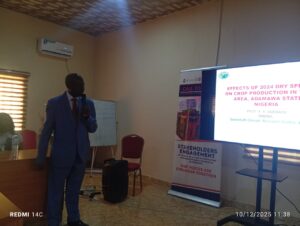
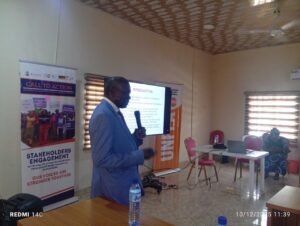
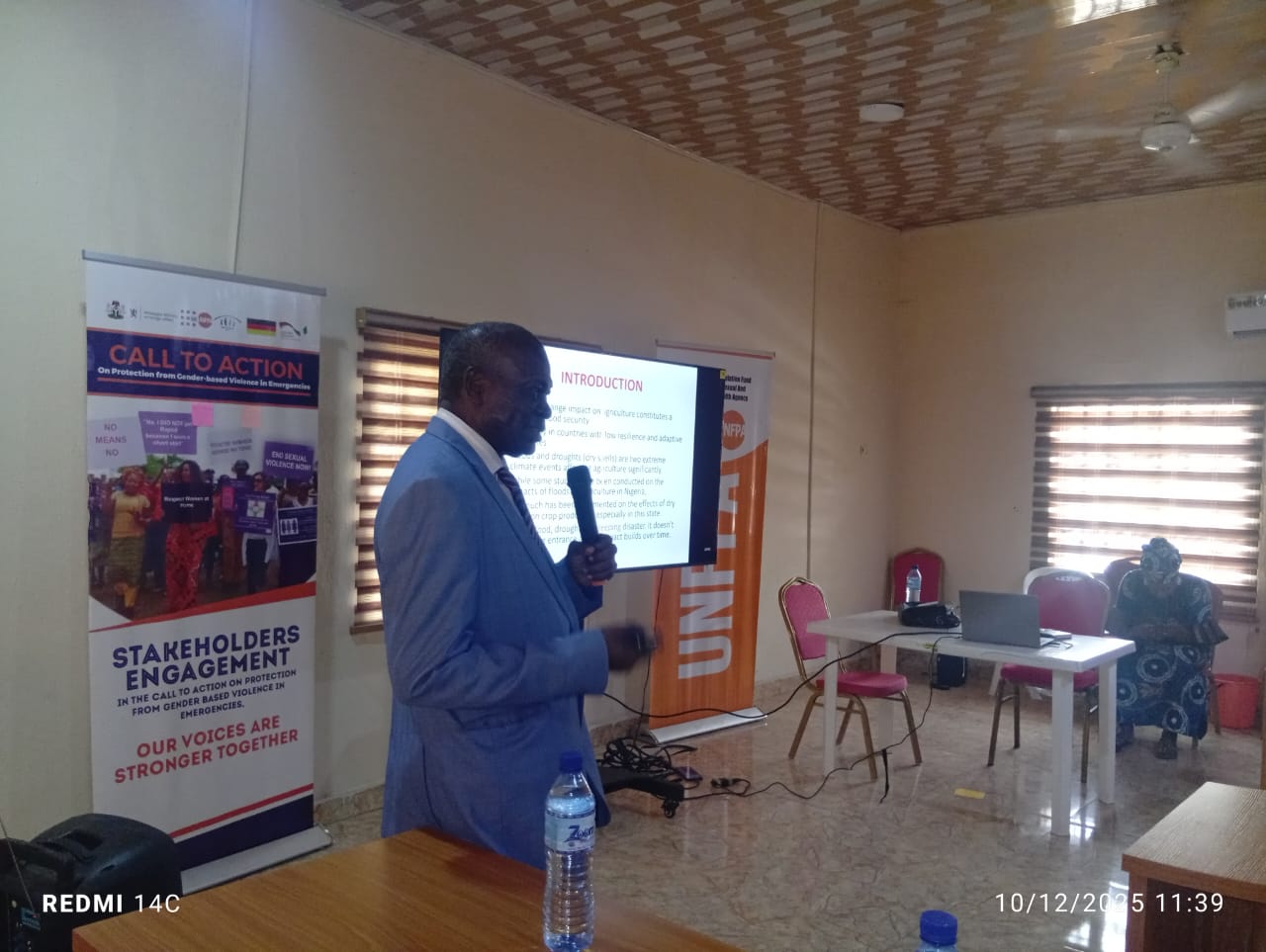
The report, presented by Professor Abel A. Adebayo, Director of the new centre, described the 2024 episode as a creeping disaster whose impacts intensified quietly as rainfall breaks stretched beyond twenty consecutive days. The study noted that unlike floods, which announce themselves with force, dry spells accumulate their damage gradually and often go unnoticed until crops have already suffered significant moisture stress. It explained that for crop production, rainfall effectiveness, its timing, spread, and soil moisture contribution matters more than total seasonal rainfall.
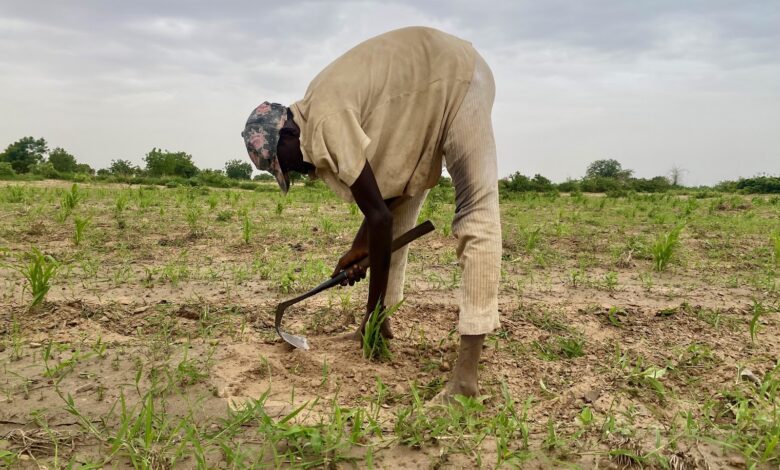
Farmers in Girei, Yola North and Yola South LGAs, where 24 communities were surveyed, experienced some of the most severe impacts. The research found that smallholder farmers cultivating three hectares or less, who make up the majority of producers in the area, were disproportionately affected. Many reported drastic reductions in harvests as maize, beans, groundnuts and other staples wilted during the prolonged break in rainfall. The analysis showed a statistically significant difference between 2023 and 2024 crop outputs, with yield declines ranging between 31 and 46 percent.
The rainfall pattern data provided context for the scale of the damage. A comparative analysis of pentade (five-day) rainfall distribution revealed sharp drops across June, July, August and September in 2024 when compared to the previous year. These were months critical for flowering, fruiting and ripening of crops, meaning the rainfall shortage hit at the most vulnerable points of the growth cycle. The report also noted that Adamawa has experienced earlier dry spells, including a significant one in 1997, but the 2024 event was marked by both duration and widespread crop failure.
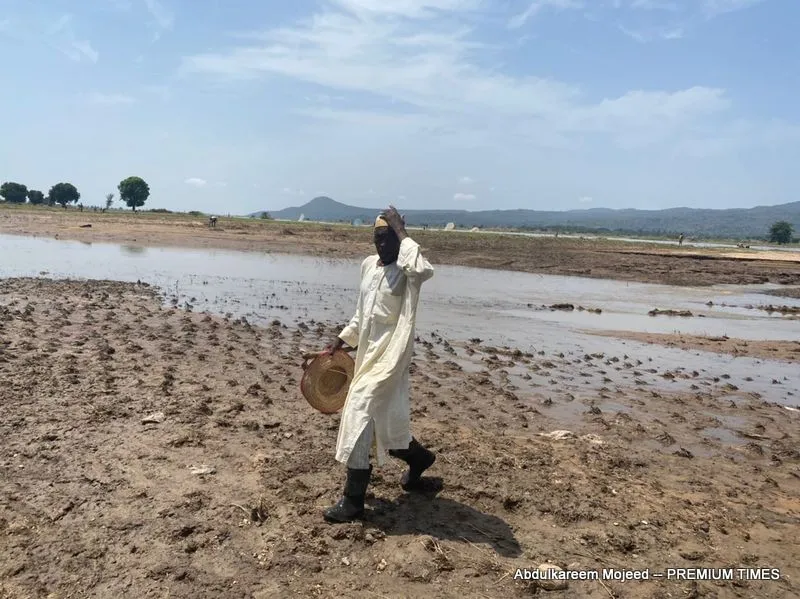
The consequences extended beyond the farms. With many households depending directly on their own harvests for food, the dry spell created nutritional risks and income losses across the affected communities. Women farmers, who contribute significantly to agricultural production in the region, were identified as particularly vulnerable, as crop losses directly undermined food supplies and household stability. Although farmers demonstrated strong awareness of climate change impacts, the report noted that they lacked adequate resources, irrigation options and access to adaptation information.
These realities framed the launch of the Savannah Climate Research Centre, which stakeholders say will serve as the state’s institutional response to rising climate threats. Introducing the centre, Chairman of the Board of Trustees, Professor Liman Tukur, said Adamawa is facing escalating heat, prolonged dry spells, crop failures and a broad spectrum of climate-related challenges that require a more systematic and evidence-based response. He described the centre’s mission as one that aims to advance rigorous research, expand climate-informed solutions and empower communities, farmers and policymakers. He said the response must be proactive, collaborative and grounded in local realities.
The centre outlined several strategic priorities, including generating robust interdisciplinary climate science, translating research into practical guidance for farmers, increasing access to climate-smart inputs and providing policymakers with actionable data. It also emphasised equity and inclusion, noting the need to ensure women, youth and marginalised farmers benefit from climate interventions. The centre committed to rigorous science, open communication, data transparency and capacity building through training, farmer field schools, innovation hubs and digital tools that can reach remote communities.
The 2024 research report offered clear recommendations aligned with the centre’s mission. These include intensifying research on early-maturing and drought-resistant crop varieties, improving supplementary irrigation systems, supporting farmers with irrigation kits, and promoting crop and livelihood diversification. It also recommended strengthening early warning systems and providing farmers with access to climate information services that can guide planting decisions and help prepare for rainfall variability.
The creation of the SCRC marks a turning point for climate governance in the state. For several years, Adamawa has faced recurring extreme events at both ends of the climate spectrum, floods in years when total rainfall exceeded long-term averages, and dry spells when rainfall distribution collapsed despite adequate seasonal totals. The SCRC’s presentations noted that these disruptions shape harvests, incomes, nutrition and the stability of food supplies, making timely data and tested adaptation strategies essential for protecting natural resources and sustaining economic activity.
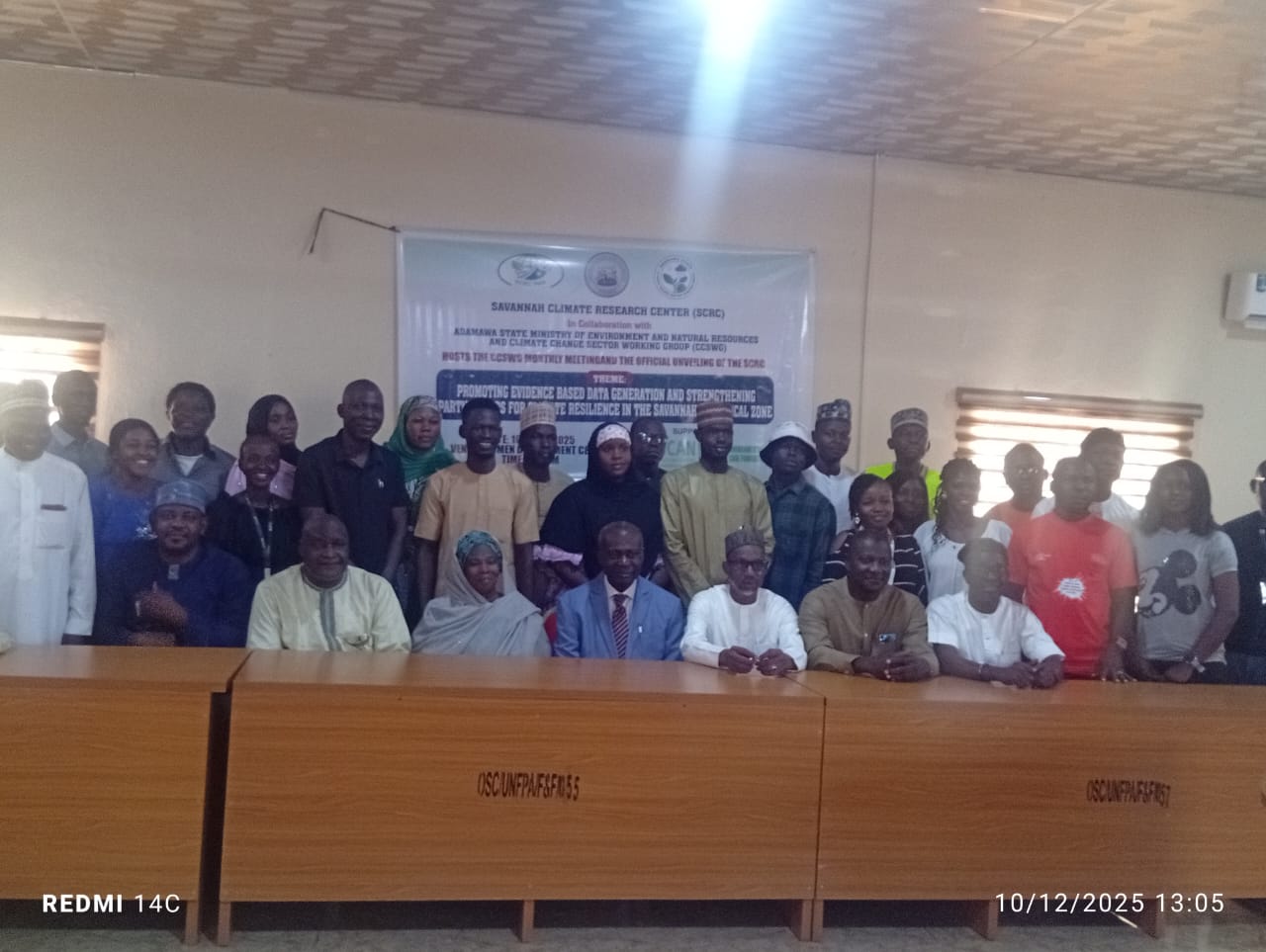
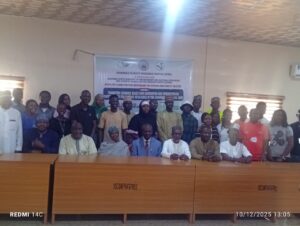
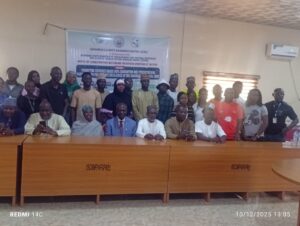
The CCSWG meeting brought together government agencies, researchers, community groups and development partners who acknowledged that the 2024 dry spell demonstrated the urgency of investing in climate resilience. The discussions underscored that Adamawa can no longer rely on traditional knowledge alone to navigate a rapidly changing climate. With rainfall patterns becoming increasingly unpredictable, institutions such as the SCRC will play a critical role in informing policy, supporting farmers and strengthening the state’s long-term capacity to manage climate risks. As the state reflects on a season of widespread agricultural loss, the report and the centre’s launch signal a new commitment to understanding and responding to climate variability. The 2024 dry spell exposed long-standing vulnerabilities, but it also provided the evidence base for building a more resilient future one where farmers, scientists and policymakers can work together to anticipate, prepare for and mitigate the impacts of a changing climate.