




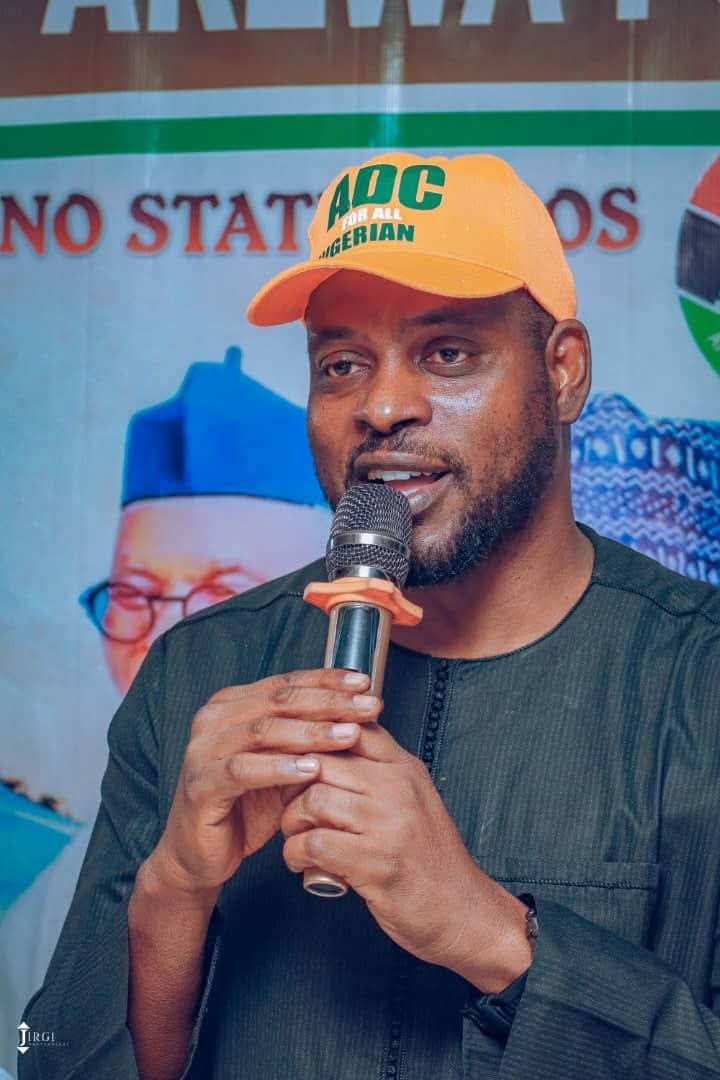
By Comrade Balarabe Rufai
Youth Leader, African Democratic Congress
(Opinion)
When this administration speaks about tax reform, it hides cruelty behind polite language. Officials say “broaden the base” and “improve compliance” while young Nigerians skip meals, close businesses, and abandon hope. These policies are not neutral. They are not technical. They are choices. And for two years, every major choice has pushed young people closer to the edge.
There is no positive youth facing policy to point to. No safety net built before taxes were raised. No jobs created before costs exploded. What we have seen instead is a steady pattern of punishment. Higher prices. Fewer opportunities. More pressure on people who already have nothing left to give.
Start with work. Youth employment in Nigeria is a fragile illusion. Official figures from the National Bureau of Statistics place youth unemployment at 8.4 percent in early 2024, with earlier rates hovering around 7 percent in 2023. These numbers are misleading. They count a young person who worked one hour in a week as employed. They hide the reality of daily hustling, unpaid internships, ride hailing gigs, street trading, and contract work with no security. Reuters and Associated Press have both reported that recent changes in methodology mask hardship rather than explain it. Most young Nigerians are not unemployed on paper. They are unemployed in reality.
At the same time, prices have crushed purchasing power. Inflation crossed 34 percent by mid 2024. Food inflation rose even higher. Transport costs doubled in many cities. Electricity tariffs climbed while supply remained unreliable. For young people, this means brutal daily choices. Data or food. Transport or job interviews. Medicine or rent. No policy from this administration has softened this blow. None.
Into this suffering came aggressive tax expansion. Nigeria’s tax to GDP ratio remains low at about 7 to 8 percent. Instead of fixing elite tax evasion or wasteful governance, the government turned to consumption. VAT expansion. Levies. Charges. Fees. Taxes that hit everyone equally on paper but destroy the poor and young in practice. Consumption taxes punish those who spend most of what they earn. That is young Nigerians.
This is where the comparison hurts the most. OECD countries tax far more. Their tax to GDP ratios average over 30 percent. But they also protect their people. Social spending in those countries averages around 20 percent of GDP. Youth unemployment benefits exist. Training is subsidized. Healthcare is accessible. Housing support exists. In those systems, taxes return to citizens in visible ways.
Nigeria does the opposite. It taxes without protecting. It collects without cushioning. Social protection spending remains extremely low. World Bank reviews show fragmented programs with limited coverage. Most young people receive nothing. No cash transfers. No unemployment support. No structured transition from school to work. Tax policy here is extraction without care.
International institutions like the IMF and OECD are clear. VAT and similar taxes only work when essentials are protected and when poor households receive compensatory support. That has not happened. Instead, small youth run businesses face new registration costs, filing requirements, penalties, and harassment. Many respond by retreating further into informality. Others shut down entirely. This is not reform. It is destruction disguised as modernization.
Look at the street level impact. A young food vendor sells less because customers cannot afford price increases. A fashion startup cuts production because materials cost more. A delivery rider works longer hours for less real income. A graduate freelancer loses clients as companies cut spending. None of these people received tax education, compliance support, or relief. They were simply told to pay.
Trust is collapsing. Young Nigerians see taxes rise while roads decay, power fails, schools crumble, and hospitals remain unaffordable. There is no visible return. Protests and civic anger are not accidents. They are reactions to betrayal. When government takes more and gives nothing back, resentment becomes rational.
Other countries respond differently. During economic stress, many expand youth employment programs. They subsidize first jobs. They fund training. They protect incomes before raising taxes. Nigeria did none of this. For two years, policy has moved in one direction only. Take more. Give less.
This is why the current tax agenda feels wicked and brutal. It ignores timing. It ignores context. It ignores humanity. It asks a struggling generation to finance a system that refuses to invest in them.
I do not oppose revenue for a functioning state. I oppose cruelty dressed as reform. I oppose policies that drain young people while offering them no path forward. Taxing a generation that cannot access jobs, skills, or social protection is not governance. It is economic violence.
If leadership was serious, it would protect basic consumption. It would exempt essentials. It would simplify compliance for youth led businesses. It would legally tie new revenue to youth jobs, skills, and social protection. It would open decision making to young people and adjust policies when harm becomes clear.
None of this has happened.
What we have instead is a country where young people are told to endure pain today for a future they may never reach. That is the sad truth. Nigeria cannot tax its way out of failure by breaking its youth. A nation that treats its young people as revenue sources rather than citizens is quietly destroying its own future.
I speak not from theory but from what I see daily. Closed shops. Angry graduates. Exhausted gig workers. Dreams deferred not by laziness but by policy. This path is not inevitable. It is chosen. And it must be challenged.
If we do not change course, history will record that this generation was taxed into silence while those in power called it reform.
