

Close Menu
The North JournalsThe North Journals

    Subscribe to Updates

    Get the latest creative news from FooBar about art, design and business.

    What's Hot

    19 in 20 Nigerian health facilities fall short of basic medical waste standard – WHO/UNICEF

    August 21, 2026

    Lagos roundtable to drive new investment in Africa’s forest economy

    August 19, 2026

    How Nigeria is using local data to change the fight against malaria

    August 13, 2026
    Facebook X (Twitter) Instagram YouTube
    • ABOUT US
    • WORK WITH US
    • CONTACT US
    Saturday, August 29
    Facebook X (Twitter) Instagram
    Subscribe
    The North JournalsThe North Journals
    • Home
    • Newsbeat
      • Agriculture
      • Art/Life
      • Business
      • Economy
      • Education
      • Entertainment
      • Health
      • Judiciary
      • News
      • Technology
      • Travel
      • Foreign
    • Editorial
    • Opinion
      • Diaries
    • Travelogue
    • Journals
      • Engineering
      • History
      • Law
      • Medicine
      • Politics
      • Research
      • Science
      • Climate Change
      • Psychology
      • Sociology
    • Documentaries
    • Guest Post
    The North JournalsThe North Journals
    Home » Cameroon’s Protected Areas Offer Hope for Africa’s Nature and People, But Face Mounting Threats
    Climate Change

    Cameroon’s Protected Areas Offer Hope for Africa’s Nature and People, But Face Mounting Threats

    The North JournalsBy The North JournalsJuly 19, 2025No Comments3 Mins Read
    Facebook Twitter Pinterest LinkedIn Tumblr Email
    Share
    Facebook Twitter LinkedIn Pinterest Email

    By The North Journals News Desk

    A new report by environmental researcher Trésor Daniel Mefire underscores the pivotal role of protected areas in Africa — not just as sanctuaries for biodiversity, but as engines for sustainable development and community empowerment. Yet, the report warns that without urgent investment and stronger local involvement, these natural havens may buckle under pressure from poaching, deforestation, and underfunding.

    In “Protected Areas: Safeguarding Nature, Empowering Communities, and Securing Africa’s Future,” Mefire writes, “Protected areas are indispensable instruments in global conservation efforts, serving as vital sanctuaries for biodiversity and critical providers of essential ecosystem services worldwide.”

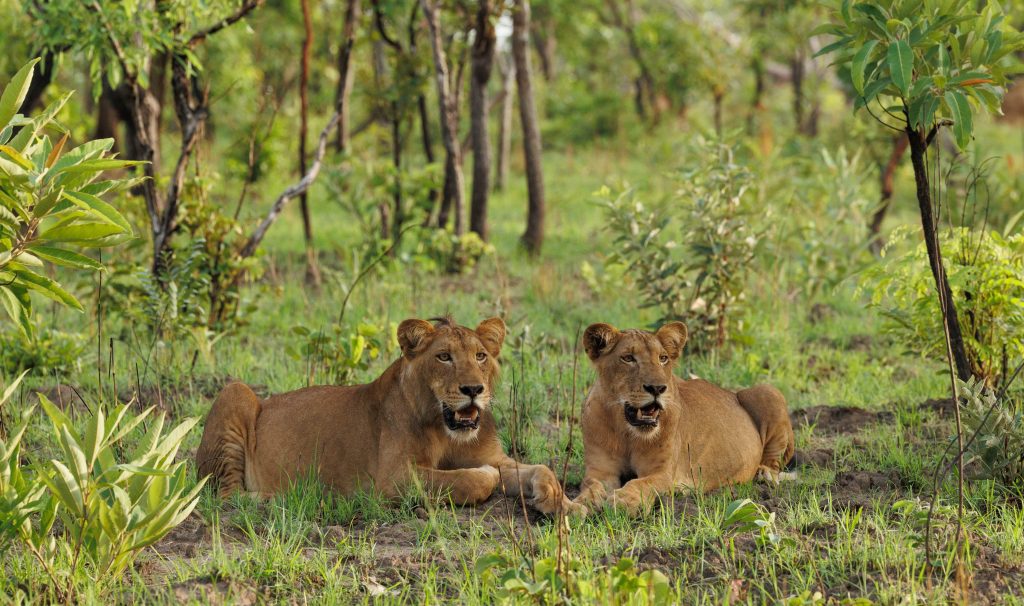
    Across Africa, protected areas shelter iconic wildlife such as elephants, gorillas, and lions. They also sustain millions of people who rely on nature for food, water, medicine, and income. Countries like Cameroon — with roughly 21% of its land protected and a goal to expand that to 30% by 2030 — offer a unique window into the continent’s complex conservation landscape.

    Yet, many of these areas are in crisis. The report highlights alarming challenges: poaching, illegal logging, agricultural encroachment, and limited government funding. In Cameroon’s Bouba Njida National Park, for instance, mass elephant killings have drawn international outrage.

    “The effective management of protected areas with lion populations alone requires over $1 billion annually — a figure far exceeding current budgets,” Mefire explains.

    Despite these challenges, grassroots innovation is leading the way. In Cameroon, local organizations are demonstrating how conservation and community development can go hand in hand. The Cameroon Gender and Environment Watch (CAMGEW), for example, has introduced beekeeping and sustainable farming in forest communities, reducing bushfires by 60% and boosting women’s incomes by 30%.

    See also  NiMet Warns of Widespread Storms, Heavy Rainfall, and High Flood Risk Across Nigeria

    “Community participation ensures that protected areas benefit local people, fostering stewardship and reducing conflicts,” writes Mefire. “Incorporating traditional knowledge and promoting equitable access to resources enhance both ecological and social resilience.”

    Meanwhile, Hope Environment Cameroon, another community-based group, has restored 50 hectares of degraded forest in the East Region, planting 10,000 native trees and helping Indigenous groups secure land rights. These efforts align with the Kigali Call to Action, which promotes inclusive conservation that blends Indigenous wisdom with modern science.

    Cameroon’s protected forests, particularly those within the Congo Basin, are also global carbon sinks — storing more than 8.5 gigatons of carbon. Yet, they’re under siege, with deforestation rates rising by 1.2% annually, according to Global Forest Watch.

    Mefire emphasizes that while Cameroon’s national policies are on the right track, implementation requires bold financial strategies. “Current management budgets average just $3 per hectare, far below the $20 needed for effective enforcement,” he notes. He recommends innovative financing tools like green bonds and payment for ecosystem services (PES) to close the gap.

    Ultimately, the report calls for a shift: from top-down conservation to community-centered stewardship.

    “When environmental protection, economic development, and cultural preservation are aligned,” Mefire concludes, “protected areas become catalysts for regional resilience. By integrating environmental protection with social equity, protected areas can secure a sustainable future for both nature and people.”


    For Further Reading
    To explore the full report and its detailed analysis, see the attached PDF:Protected Areas by Trésor Daniel Mefire.


    biodiversity Cameroon climate action community conservation Congo Basin conservation ecotourism protected areas Trésor Daniel Mefire
    Share. Facebook Twitter Pinterest LinkedIn Tumblr Email
    The North Journals

    Related Posts

    Rare monkey’s disappearance signals wider biodiversity crisis in West Africa, scientist warns

    August 5, 2026

    El Niño threat raises fears of floods, disease and drought across East Africa and Asia

    July 16, 2026

    Auditing Impunity: The Sentinel Network and the Forensic Fight for Kano’s Rivers

    May 3, 2026

    Comments are closed.

    Our Picks
    Stay In Touch
    • Facebook
    • Twitter
    • Pinterest
    • Instagram
    • YouTube
    • Vimeo
    Don't Miss

    19 in 20 Nigerian health facilities fall short of basic medical waste standard – WHO/UNICEF

    Headlines August 21, 2026

    About 19 in every 20 health care facilities in Nigeria fall short of the basic…

    Lagos roundtable to drive new investment in Africa’s forest economy

    August 19, 2026

    How Nigeria is using local data to change the fight against malaria

    August 13, 2026

    Retired Ghanaian miner rejects calls for special treatment for Adamus Resources Limited

    August 13, 2026

    Subscribe to Updates

    Get the latest creative news from SmartMag about art & design.

    About Us
    About Us

    The North Journals is a hybrid publication that combines the power of investigative journalism with the depth of research-driven analysis. Rooted in Nigeria and inspired by Pan-African realities, we tell stories that matter — stories of people, communities, and issues often left out of mainstream narratives.
    Address: Abuja, Nigeria
    Email Us: info@thenorthjournals.com

    Our Picks
    New Comments
    • Theophilus Thomas on A School-Based Book Club Model Is Rebuilding Reading Habits Among Students in Zaria
    • Sani Tijjani Ibrahim on Book Review: Abandoned
    • Home
    • Travel
    • Politics
    • Business
    • Buy Now
    © 2026 The North Journals. Designed by AkinMore.

    Type above and press Enter to search. Press Esc to cancel.

    Ad Blocker Enabled!
    Ad Blocker Enabled!
    Our website is made possible by displaying online advertisements to our visitors. Please support us by disabling your Ad Blocker.