

Close Menu
The North JournalsThe North Journals

    Subscribe to Updates

    Get the latest creative news from FooBar about art, design and business.

    What's Hot

    2027: 76% Say They’ll Vote, But Only 20% Back Continuity — New Survey Signals Strong Demand for Change

    March 1, 2026

    At Arewa House, Kwaja Invokes Ahmadu Bello’s Legacy, Challenges Northern Leaders on Unity and Industrial Vision

    February 27, 2026

    Tomato Imports Signal Regional Complementarity, Not Local Shortage — CCCFS

    February 26, 2026
    Facebook X (Twitter) Instagram YouTube
    • ABOUT US
    • WORK WITH US
    • CONTACT US
    Monday, March 2
    Facebook X (Twitter) Instagram
    Subscribe
    The North JournalsThe North Journals
    • Home
    • Newsbeat
      • Agriculture
      • Art/Life
      • Business
      • Economy
      • Education
      • Entertainment
      • Health
      • Judiciary
      • News
      • Technology
      • Travel
      • Foreign
    • Editorial
    • Opinion
      • Diaries
    • Travelogue
    • Journals
      • Engineering
      • History
      • Law
      • Medicine
      • Politics
      • Research
      • Science
      • Climate Change
      • Psychology
      • Sociology
    • Documentaries
    • Guest Post
    The North JournalsThe North Journals
    Home » Plastic Waste Chokes Cotonou’s Lagoon, Threatening Artisanal Fishing
    Climate Change

    Plastic Waste Chokes Cotonou’s Lagoon, Threatening Artisanal Fishing

    The North JournalsBy The North JournalsAugust 30, 2025No Comments3 Mins Read
    Facebook Twitter Pinterest LinkedIn Tumblr Email
    Share
    Facebook Twitter LinkedIn Pinterest Email

    By Bijou Laurelle Sounouvo

    COTONOU

    At 10 a.m. on the banks of the Dantokpa lagoon in Djidjè district, fisherman Baba Dénis pushes his canoe onto the calm waters alongside his father. With a weary sigh, he admits the struggle: “Once again, there are more plastic bags than fish.”

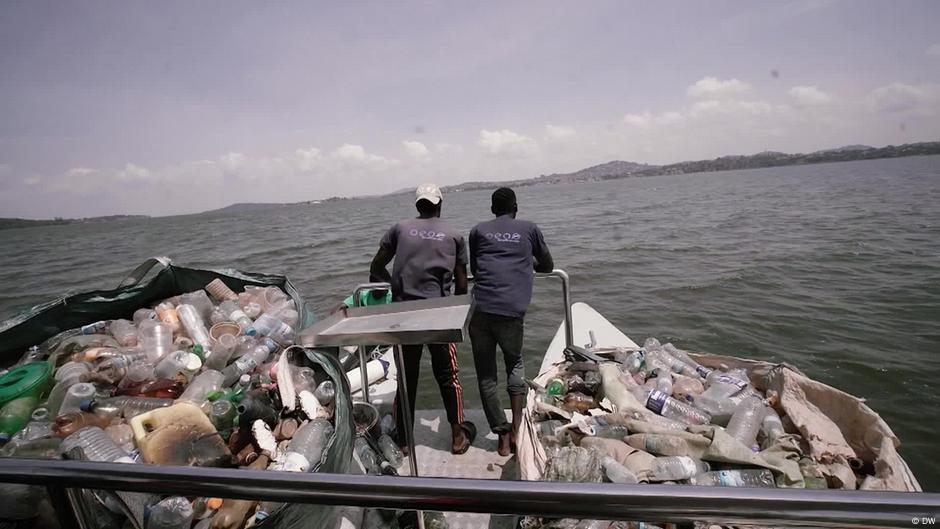
    What was once a thriving fishing ground has turned into a dumping ground for waste. The lagoon, once teeming with aquatic life, is now suffocating under layers of plastic debris.

    A Pollution Crisis Out of Control

    Benin generates around 139,000 kilograms of plastic waste every day, according to a 2022 survey. In Cotonou, the country’s bustling coastal hub, most of this waste escapes recycling or formal collection systems, eventually flowing into the lagoon. Areas like So-Ava, which lack organized waste management, contribute directly to the pollution problem.

    In 2019 alone, Benin imported 6.7 million kilograms of plastic, nearly 90% of it hazardous materials such as PVC. These plastics, researchers warn, can take up to 400 years to decompose, posing long-term risks to the ecosystem.

    Fishermen Paying the Price

    For artisanal fishermen, the crisis is devastating. Fish are fleeing polluted areas, breeding grounds are being destroyed, and nets are increasingly clogged with plastic waste instead of fish.

    “Before, we used to come back with more than 20 kilos of fish. Now, we struggle for hours to bring home barely two kilos—or nothing but trash,” says Baba Dénis, echoing the hardship of countless fishing families.

    The economic blow is severe, but so are the health risks. Stagnant, polluted waters foster mosquitoes, waterborne diseases, and other public health threats.

    See also  Northern CAN Urges Christians and Muslims to Unite Over Trump’s Comments on Nigeria

    Victims and Perpetrators

    While local communities bear the brunt, they also contribute to the crisis. With limited alternatives, many residents burn or dump plastics into the lagoon. This persists despite a 2017 law banning the production, import, sale, and use of non-biodegradable plastic bags.

    Environmental specialist Fulbert Adjimehossou argues that laws alone are not enough. “The problem is not so much the use of plastic, but its disposal. For a law to work, there must be enforcement, awareness, education, and behavioral change,” he said.

    Searching for Solutions

    Citizen-led initiatives are emerging to tackle the crisis. The “Zero Plastic” campaign, spearheaded by activist Anas Séko, pushes for systemic change and a shift away from single-use plastics. “Recycling alone is not the solution,” he insists. “We need a systemic approach to reduce plastic at the source.”

    Meanwhile, entrepreneurs are finding creative ways to give waste a second life. Independent consultant Roosevelt Sovi Olusegun transforms discarded plastic into usable products such as paving stones, bricks, flower pots, and even irrigation tools that conserve water.

    Experts argue that real progress depends on reducing plastic at its entry points making it less available and more expensive, thereby forcing consumers to seek alternatives.

    For fishermen like Baba Dénis, every day spent pulling waste instead of fish is a reminder of the urgent need for action. Unless solutions are scaled up, artisanal fishing, a lifeline for many families risks drowning under the weight of plastic.

    As Cotonou’s lagoon gasps for breath, one thing is clear: every plastic bag not dumped, every fishing net spared from waste, is a small but vital victory in the fight to save livelihoods and biodiversity.

    See also  Lagos Commissioner Warns Against Building on Floodplains as Heavy Rains Loom

    Artisanal fishing Benin Benin waste management Cotonou biodiversity loss Cotonou lagoon pollution Environmental crisis Cotonou Fishing communities in Cotonou Plastic pollution in Cotonou Plastic recycling Benin Plastic waste Benin West Africa environmental news Zero plastic campaign Benin
    Share. Facebook Twitter Pinterest LinkedIn Tumblr Email
    The North Journals

    Related Posts

    2027: 76% Say They’ll Vote, But Only 20% Back Continuity — New Survey Signals Strong Demand for Change

    March 1, 2026

    At Arewa House, Kwaja Invokes Ahmadu Bello’s Legacy, Challenges Northern Leaders on Unity and Industrial Vision

    February 27, 2026

    Tomato Imports Signal Regional Complementarity, Not Local Shortage — CCCFS

    February 26, 2026

    Comments are closed.

    Our Picks
    Stay In Touch
    • Facebook
    • Twitter
    • Pinterest
    • Instagram
    • YouTube
    • Vimeo
    Don't Miss

    2027: 76% Say They’ll Vote, But Only 20% Back Continuity — New Survey Signals Strong Demand for Change

    News March 1, 2026

    By Aminu Adamu A new electorate sentiment report has revealed a striking contradiction in Nigeria’s…

    At Arewa House, Kwaja Invokes Ahmadu Bello’s Legacy, Challenges Northern Leaders on Unity and Industrial Vision

    February 27, 2026

    Tomato Imports Signal Regional Complementarity, Not Local Shortage — CCCFS

    February 26, 2026

    How a Multi-Million Naira School Became a Ghost Project

    February 24, 2026

    Subscribe to Updates

    Get the latest creative news from SmartMag about art & design.

    About Us
    About Us

    The North Journals is a hybrid publication that combines the power of investigative journalism with the depth of research-driven analysis. Rooted in Nigeria and inspired by Pan-African realities, we tell stories that matter — stories of people, communities, and issues often left out of mainstream narratives.
    Address: Abuja, Nigeria
    Email Us: info@thenorthjournals.com

    Our Picks
    New Comments
    • Theophilus Thomas on A School-Based Book Club Model Is Rebuilding Reading Habits Among Students in Zaria
    • Sani Tijjani Ibrahim on Book Review: Abandoned
    • Home
    • Travel
    • Politics
    • Business
    • Buy Now
    © 2026 The North Journals. Designed by AkinMore.

    Type above and press Enter to search. Press Esc to cancel.

    Ad Blocker Enabled!
    Ad Blocker Enabled!
    Our website is made possible by displaying online advertisements to our visitors. Please support us by disabling your Ad Blocker.