




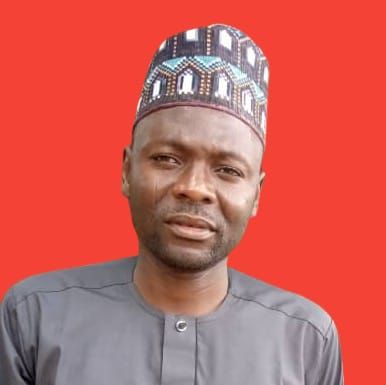
By Bagudu Mohammed
Across many African communities, people have long held onto the belief that somewhere in their ancestry lies a hidden force mystical, spiritual, or supernatural that should offer an edge in moments of danger or competition. Such power, if it worked as tradition claimed, ought to have placed Africa at the forefront of global strength, resilience, and achievement.
Growing up in Nigeria meant absorbing stories filled with enchantment. Folklore spoke of warriors untouched by metal, hunters who disappeared when threatened, rulers who commanded lightning, and fighters who used invisible weapons. These tales shaped our worldview before Western ideas arrived. Mircea Eliade once observed that societies often “sacralize power” when confronted with mysteries they cannot fully explain, and our traditions exemplified this.
Charms, whispered incantations, and ritual objects were thought to turn ordinary people into legends. Even the earliest accounts of colonial resistance were retold through lenses that mixed courage with spiritual reinforcement.
One of the clearest examples is the legacy of Etsu Abubakar of Bida. Historical records describe him as a strategist who confronted British forces with spears, arrows, limited firearms, and spiritual preparation. His defiance represented more than a military confrontation; it symbolized the meeting of indigenous courage and imported technology. Despite this determination, the Nupe kingdom eventually fell. Similar fates befell leaders like Sultan Attahiru I, Queen Amina, and Sarki Jatau, underscoring a sobering truth: spiritual confidence could not overcome industrial weaponry.
These stories, however, refused to fade. They shaped family conversations, influenced friendships, and coloured childhood assumptions. In many communities, excellence was rarely seen as natural talent. Success was often credited to charms and romantic attraction to potions. Talismanic protection was believed to trap intruders, while wealth was explained through rituals rather than strategy or planning. Over time, the idea of “black power” became a substitute for scientific advancement.
Real events eventually tested these beliefs. The spread of terrorism, banditry, and mass abductions across Nigeria exposed the limits of mystical assumptions. Communities were attacked without any sign of supernatural intervention. Abducted schoolchildren and worshippers vanished, yet no diviner or spiritualist has identified their exact locations. The silence of these claimed powers has become its own verdict.
Sports offer another lens through which this contradiction becomes clear. Raw strength and stamina should, in theory, favour African athletes, yet global dominance remains limited. Nations like Nigeria have not won football’s biggest trophies, nor have African talents ruled tennis, rugby, cricket, or Formula 1. Scholars consistently trace these gaps to inadequate infrastructure, weak governance, and poor investment, not a lack of natural ability.
Boxing reinforces this reality. The sport depends on physicality, skill, and mental toughness, yet African boxers have not dominated the global stage. Pierre Bourdieu’s concept of “physical capital” highlights that the body becomes powerful only when shaped by consistent training and strong institutions. Muscle and myth alone do not win world titles.
Stories of people immune to blades or bullets also continue to circulate. Yet no such individual has stepped forward during attacks on villages. Traditional rulers who relied on mystical authority have still been dethroned, as seen with Emir Sanusi in Kano and Etsu Usman in Bida. Mythical protection has not shielded its own believers.
The medical landscape further exposes the limitations of these beliefs. If herbal potency or spiritual healing were truly superior, Nigeria would attract global medical pilgrims. Instead, those who uphold mystical traditions turn to hospitals when illnesses become severe. Charms often embolden criminals by creating illusions of invincibility, yet they do nothing to protect them from bullets or arrest.
Ultimately, the myth of black power has entertained generations but provided little practical benefit. It delayed scientific curiosity, weakened trust in technology, and created false confidence in wrongdoers while leaving innocent people vulnerable. Beautiful as these stories are, they have offered no help in moments of urgent need.
A people rich in imagination and history should not remain exposed because the powers they trust most fail them repeatedly. Until ancestral power proves effective in areas that matter security, innovation, development, and global performance it remains a cherished but powerless memory.
