




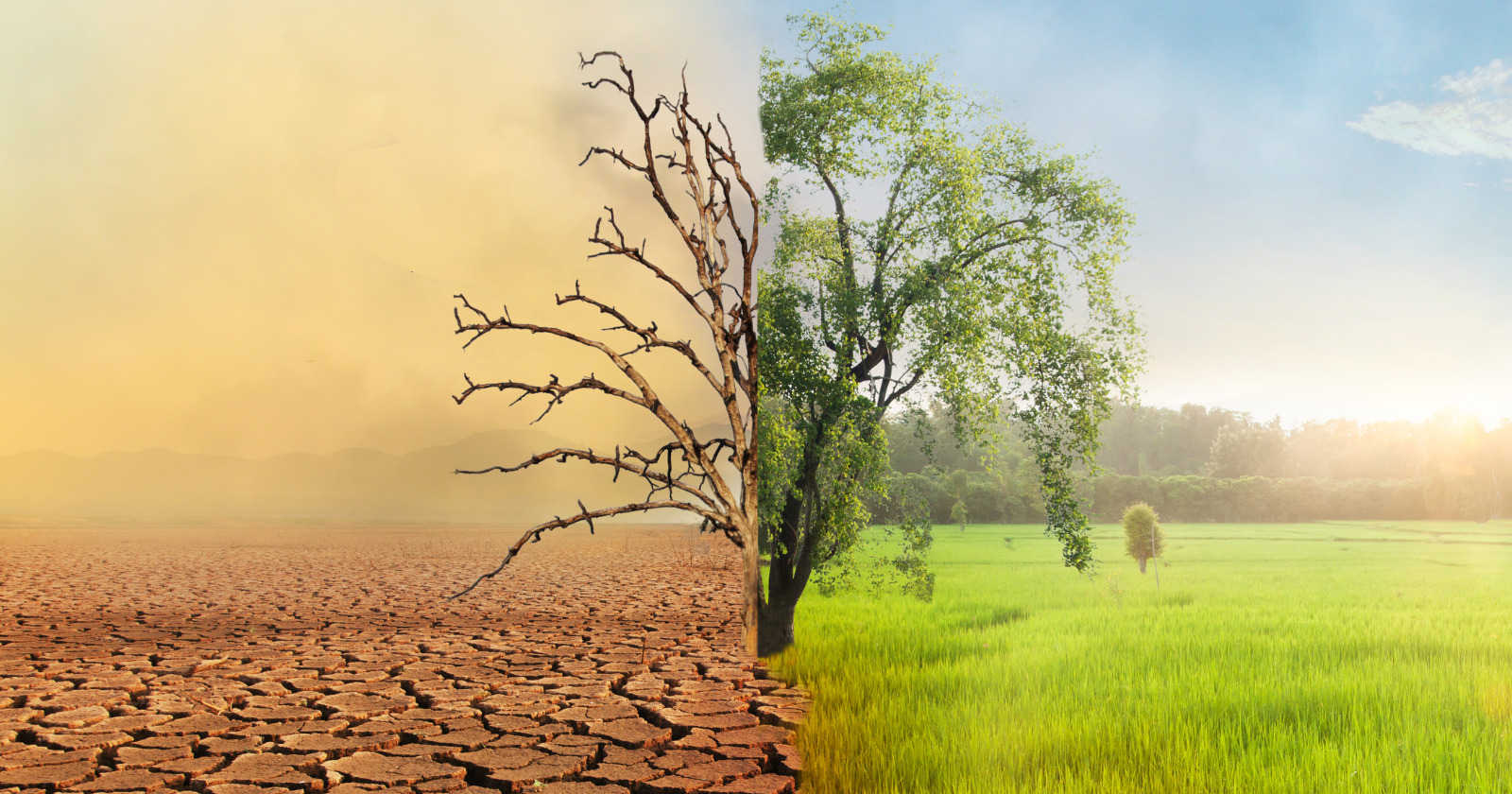
“Aridity is the relative, long-term lack of available, life-sustaining moisture in terrestrial climates,” emphasizing its broad environmental and societal impacts.
The world is drying up—literally. More than three-quarters of the Earth’s land has experienced a shift towards arid conditions in recent decades. Once humid regions have transformed into drylands, altering ecosystems, jeopardizing agriculture, and threatening the livelihoods of billions. As climate change intensifies, aridity is becoming a global crisis, requiring immediate adaptation and mitigation efforts.
Aridity, a long-term climatic condition characterized by a lack of sufficient moisture to sustain life, has expanded across the globe at an alarming rate. According to a recent report by the United Nations Convention to Combat Desertification (UNCCD), global drylands expanded by approximately 4.3 million km² over the past three decades. This shift is equivalent to nearly half the size of Australia. https://www.unccd.int/resources/reports
Human-induced climate change plays a crucial role in this transformation. Greenhouse gas emissions have contributed to rising global temperatures, intensifying atmospheric evaporative demand (AED) and reducing precipitation levels in already dry regions. As a result, areas that once received adequate rainfall now struggle with prolonged dryness, placing immense pressure on water resources and food production systems.
The Human Cost: How Aridity Impacts Lives
The ramifications of increasing aridity extend beyond environmental degradation—they profoundly affect human populations. Currently, 2.3 billion people live in drylands, a figure that has doubled over the past 30 years. If climate change remains unchecked, projections suggest that as many as 5 billion people could be living in arid regions by 2100.
Communities in arid zones face dire challenges, including:
- Food and Water Scarcity: Crop failures, declining soil fertility, and depleted water sources threaten food security for millions.
- Biodiversity Loss: Many plant and animal species struggle to survive as their habitats become drier and less hospitable.
- Health Risks: Increased dust storms, air pollution, and waterborne diseases pose significant health threats, particularly to vulnerable populations.
- Mass Migration: Water shortages and agricultural collapse drive displacement, forcing millions to relocate in search of better living conditions.
Aridity and Desertification: The Looming Threat
Rising aridity exacerbates desertification, a process where fertile land gradually turns into desert due to climatic variations and unsustainable land use practices. This phenomenon is already visible in regions such as the Sahel in Africa, the Middle East, parts of South Asia, and the western United States.
Wildfires, another devastating consequence of aridification, are becoming more frequent and intense. Dry forests and grasslands are increasingly susceptible to burning, leading to loss of vegetation, air pollution, and destruction of property.
Mitigation and Adaptation: A Path Forward
While the global trend toward aridification seems inevitable, proactive steps can mitigate its impact and help vulnerable regions adapt. The UNCCD report outlines key strategies for addressing this crisis:
- Sustainable Land and Water Management: Efficient irrigation systems, soil conservation techniques, and reforestation initiatives can help restore degraded land.
- Climate-Resilient Agriculture: Developing drought-resistant crops and adopting agroforestry practices can safeguard food production in dry regions.
- Water Conservation Policies: Governments must implement stricter regulations on water usage and invest in innovative water storage and desalination technologies.
- International Collaboration: A unified global response is essential. Policies and initiatives such as the UN’s Land Degradation Neutrality (LDN) program aim to prevent further desertification.
The Role of Policymakers and Communities
Governments, scientists, and local communities must work together to combat rising aridity. Policymakers need to prioritize climate action, incorporating drought preparedness, water security planning, and sustainable land-use policies into national agendas. Meanwhile, grassroots efforts—from educating farmers on conservation techniques to encouraging community-led reforestation projects—can make a tangible difference in slowing desertification.
A Call for Immediate Action
Aridity is no longer a distant threat—it is a present reality affecting billions. If left unaddressed, it could lead to severe ecological, social, and economic upheaval. However, through innovation, policy change, and global cooperation, the world can develop resilience against aridity and secure a sustainable future for generations to come.
The time to act is now. Governments, industries, and individuals must recognize the urgency of this crisis and commit to solutions that combat climate change, protect water resources, and restore degraded lands. Only then can we prevent the further expansion of drylands and safeguard the planet’s ecological balance.
