

Close Menu
The North JournalsThe North Journals

    Subscribe to Updates

    Get the latest creative news from FooBar about art, design and business.

    What's Hot

    2027: 76% Say They’ll Vote, But Only 20% Back Continuity — New Survey Signals Strong Demand for Change

    March 1, 2026

    At Arewa House, Kwaja Invokes Ahmadu Bello’s Legacy, Challenges Northern Leaders on Unity and Industrial Vision

    February 27, 2026

    Tomato Imports Signal Regional Complementarity, Not Local Shortage — CCCFS

    February 26, 2026
    Facebook X (Twitter) Instagram YouTube
    • ABOUT US
    • WORK WITH US
    • CONTACT US
    Monday, March 2
    Facebook X (Twitter) Instagram
    Subscribe
    The North JournalsThe North Journals
    • Home
    • Newsbeat
      • Agriculture
      • Art/Life
      • Business
      • Economy
      • Education
      • Entertainment
      • Health
      • Judiciary
      • News
      • Technology
      • Travel
      • Foreign
    • Editorial
    • Opinion
      • Diaries
    • Travelogue
    • Journals
      • Engineering
      • History
      • Law
      • Medicine
      • Politics
      • Research
      • Science
      • Climate Change
      • Psychology
      • Sociology
    • Documentaries
    • Guest Post
    The North JournalsThe North Journals
    Home » Water’s Renewability Under Threat: Study Warns of Growing Global Scarcity
    Climate Change

    Water’s Renewability Under Threat: Study Warns of Growing Global Scarcity

    Research highlights how poor management, climate change, and pollution push water toward becoming a non-renewable resource
    The North JournalsBy The North JournalsSeptember 29, 2025Updated:September 29, 2025No Comments3 Mins Read
    Facebook Twitter Pinterest LinkedIn Tumblr Email
    Share
    Facebook Twitter LinkedIn Pinterest Email

    By Trésor Daniel Mefire

    A new study has reignited debate over one of the world’s most pressing environmental questions: Is water truly a renewable resource? According to researcher Trésor Daniel Mefire, the answer is both yes and no, and it depends on how humanity manages its consumption and stewardship of this vital resource.

    “Scientifically, water is inherently renewable by virtue of the perpetual hydrological cycle,” Mefire explained. “But in practical, ecological, and socio-economic terms, this renewability is not guaranteed”.

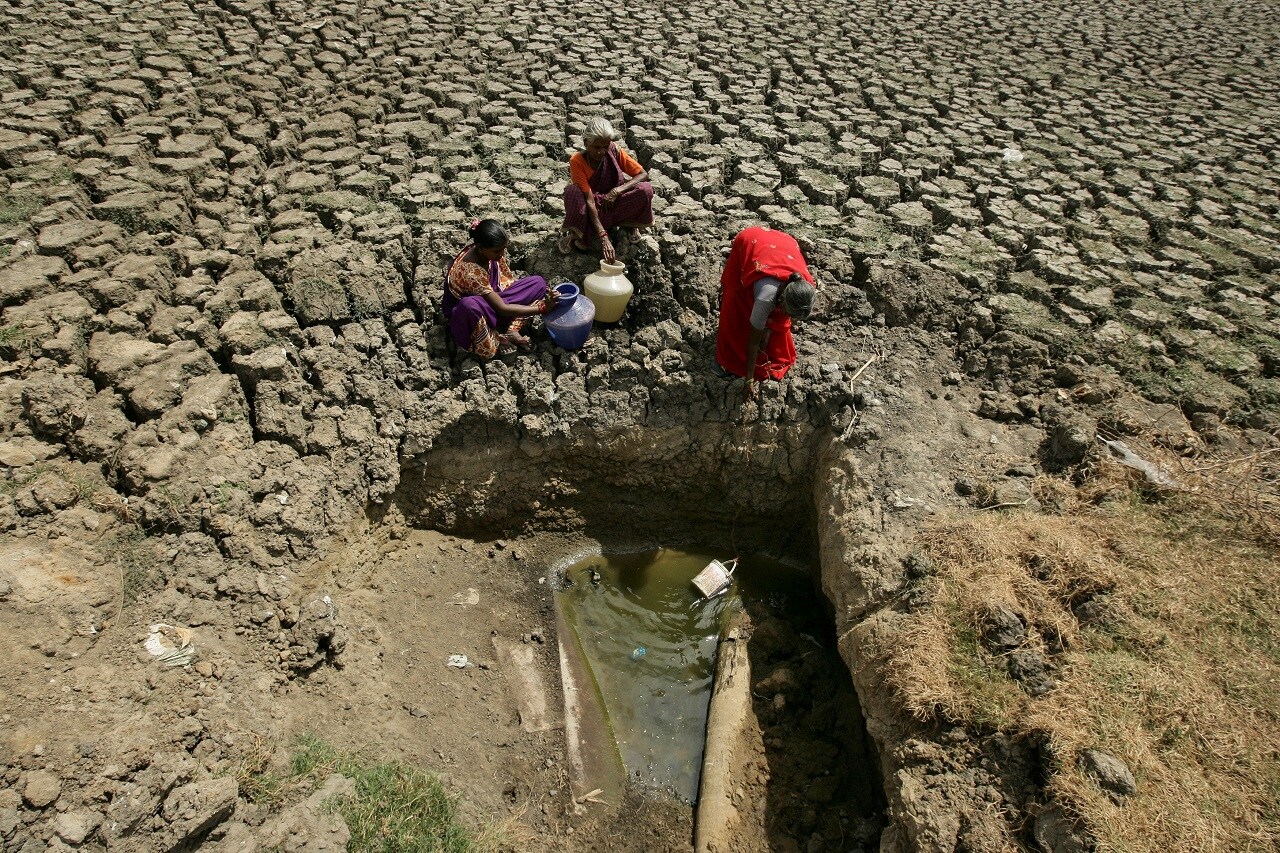
    The study points to severe crises across Africa as proof that natural replenishment alone cannot keep pace with rising human demand and poor management. Despite vast river basins like the Congo and Niger, more than 300 million Africans lack access to clean drinking water. The problem, Mefire argues, is not absolute scarcity, but a dangerous mix of infrastructure deficits, climate variability, and unsustainable extraction.

    Groundwater depletion is cited as the most critical threat. Regions dependent on “fossil water” , aquifers recharged thousands of years ago are mining supplies at unsustainable rates. In some basins, such as the Ogallala in the U.S. and North African sedimentary basins, natural recharge is negligible, rendering the water effectively non-renewable.

    Quality is another pressing issue. Pollution from agriculture and industry is contaminating physically renewed water, making it unfit for human use. “Contamination creates a form of artificial scarcity,” Mefire warned, “shrinking the pool of renewable resources even where quantity is not an immediate issue.”

    Climate change is compounding the crisis. With increasingly erratic rainfall, prolonged droughts, and flash floods, the reliability of seasonal water renewal is becoming less predictable. This volatility, according to the study, transforms water from a stable resource into a growing vulnerability.

    See also  Dr. Amit Thakker Urges African Governments to Prioritise Efficient Healthcare Spending

    In Africa, the challenge is particularly stark. Sub-Saharan Africa uses only 4% of its available renewable water resources, largely because of weak infrastructure to store, treat, and distribute water. Agriculture, which accounts for nearly 70% of global freshwater use, remains highly vulnerable, with just 5–6% of farmland under irrigation.

    For Mefire, the way forward lies in sustainable water stewardship. He recommends integrated water resources management, efficiency in agricultural usage, and climate-resilient infrastructure such as aquifer recharge and rainwater harvesting systems.

    “The continued availability of water as a sustainable resource is entirely dependent on prudent, equitable, and context-specific governance,” he concluded.

    As global demand rises and climate pressures intensify, the study makes clear that water’s status as a renewable resource is not a given — it is a fragile balance, contingent on human responsibility.

    For further reading, find the research on PDF Is Water a Renewable Resource


    Africa Agriculture climate change groundwater depletion pollution renewable resources sustainability water scarcity
    Share. Facebook Twitter Pinterest LinkedIn Tumblr Email
    The North Journals

    Related Posts

    2027: 76% Say They’ll Vote, But Only 20% Back Continuity — New Survey Signals Strong Demand for Change

    March 1, 2026

    How a Multi-Million Naira School Became a Ghost Project

    February 24, 2026

    Nigeria’s Vanishing Voters: How Insecurity, Mistrust And Hardship Hollowed Out Elections From 1999 To 2023

    February 3, 2026

    Comments are closed.

    Our Picks
    Stay In Touch
    • Facebook
    • Twitter
    • Pinterest
    • Instagram
    • YouTube
    • Vimeo
    Don't Miss

    2027: 76% Say They’ll Vote, But Only 20% Back Continuity — New Survey Signals Strong Demand for Change

    News March 1, 2026

    By Aminu Adamu A new electorate sentiment report has revealed a striking contradiction in Nigeria’s…

    At Arewa House, Kwaja Invokes Ahmadu Bello’s Legacy, Challenges Northern Leaders on Unity and Industrial Vision

    February 27, 2026

    Tomato Imports Signal Regional Complementarity, Not Local Shortage — CCCFS

    February 26, 2026

    How a Multi-Million Naira School Became a Ghost Project

    February 24, 2026

    Subscribe to Updates

    Get the latest creative news from SmartMag about art & design.

    About Us
    About Us

    The North Journals is a hybrid publication that combines the power of investigative journalism with the depth of research-driven analysis. Rooted in Nigeria and inspired by Pan-African realities, we tell stories that matter — stories of people, communities, and issues often left out of mainstream narratives.
    Address: Abuja, Nigeria
    Email Us: info@thenorthjournals.com

    Our Picks
    New Comments
    • Theophilus Thomas on A School-Based Book Club Model Is Rebuilding Reading Habits Among Students in Zaria
    • Sani Tijjani Ibrahim on Book Review: Abandoned
    • Home
    • Travel
    • Politics
    • Business
    • Buy Now
    © 2026 The North Journals. Designed by AkinMore.

    Type above and press Enter to search. Press Esc to cancel.

    Ad Blocker Enabled!
    Ad Blocker Enabled!
    Our website is made possible by displaying online advertisements to our visitors. Please support us by disabling your Ad Blocker.