

Close Menu
The North JournalsThe North Journals

    Subscribe to Updates

    Get the latest creative news from FooBar about art, design and business.

    What's Hot

    Court of Appeal in Ghana yet to decide US$33.3 million Boankra dispute between APSL and Justmoh Construction Limited

    July 27, 2026

    Universities urged to take publicly funded research beyond academic journals

    July 26, 2026

    Justmoh Construction wins final legal battle as Supreme Court rejects APSL $33.3m Boankra Inland Port appeal

    July 20, 2026
    Facebook X (Twitter) Instagram YouTube
    • ABOUT US
    • WORK WITH US
    • CONTACT US
    Monday, July 27
    Facebook X (Twitter) Instagram
    Subscribe
    The North JournalsThe North Journals
    • Home
    • Newsbeat
      • Agriculture
      • Art/Life
      • Business
      • Economy
      • Education
      • Entertainment
      • Health
      • Judiciary
      • News
      • Technology
      • Travel
      • Foreign
    • Editorial
    • Opinion
      • Diaries
    • Travelogue
    • Journals
      • Engineering
      • History
      • Law
      • Medicine
      • Politics
      • Research
      • Science
      • Climate Change
      • Psychology
      • Sociology
    • Documentaries
    • Guest Post
    The North JournalsThe North Journals
    Home » Devastating Floods Shrink Nigeria’s Arable Land, Cripple Food Security and Economic Output
    Opinion

    Devastating Floods Shrink Nigeria’s Arable Land, Cripple Food Security and Economic Output

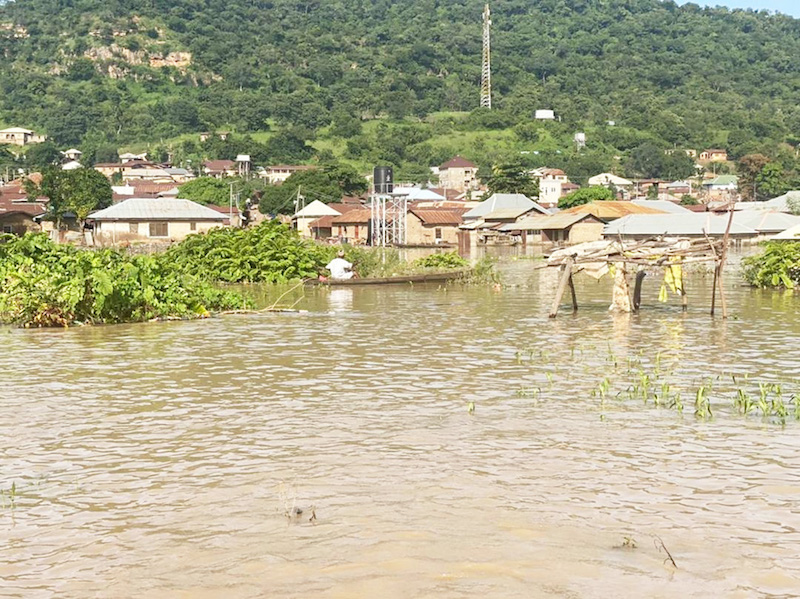
    Over 500 killed in Niger State’s Mokwa tragedy as floodwaters consume farms, homes, and infrastructure—amplifying fears of food shortages and economic collapse across Nigeria
    Atoyebi AdenikeBy Atoyebi AdenikeJuly 10, 2025No Comments4 Mins Read
    Facebook Twitter Pinterest LinkedIn Tumblr Email
    Over 500 killed in Niger State’s Mokwa tragedy as floodwaters consume farms, homes, and infrastructure—amplifying fears of food shortages and economic collapse across Nigeria
    Over 500 killed in Niger State’s Mokwa tragedy as floodwaters consume farms, homes, and infrastructure—amplifying fears of food shortages and economic collapse across Nigeria
    Share
    Facebook Twitter LinkedIn Pinterest Email

    By Atoyebi Nike

    Catastrophic flooding across Nigeria has emerged as one of the most urgent threats to national stability this year, with the tragic Mokwa incident serving as a brutal reminder of the cost of environmental neglect and climate inaction. In the final days of May, floods in Mokwa, Niger State, swept through dozens of communities, killing more than 500 people and displacing thousands.

    The deluge, which unfolded between May 28 and 29, obliterated over 4,000 homes, submerged vital croplands, and crippled roads and bridges. Local farmers describe total devastation crops drowned, livestock lost, and a future uncertain.

    The National Emergency Management Agency (NEMA) labeled the Mokwa disaster a “national emergency,” as aid efforts lag behind the scale of the destruction. Survivors remain stranded in temporary shelters with little to no access to food, water, or medical services.

    Millions Under Threat as Flood Risk Soars Nationwide

    Beyond Mokwa, the Nigerian Meteorological Agency (NiMet) has projected that over 15 million people in 30 states face a heightened risk of flooding during the 2025 rainy season. Already, states in Nigeria’s agricultural heartlands Benue, Kogi, Jigawa, and Kebbi are reporting widespread crop destruction.

    For many rural households, this year’s planting season has ended in despair.

    “This is the third year in a row I’ve lost everything to flooding,” said Salihu Danlami, a rice farmer in Kogi State. “I don’t know how I’ll feed my family or pay my children’s school fees.”

    The loss of farmland is worsening an already fragile food supply chain. The Nigerian Bureau of Statistics has recorded a sharp decline in agricultural output, while food prices in urban markets have surged, fueling inflation and household hardship.

    See also  African Women Lead the Climate Fight, But Still Face Systemic Barriers

    Infrastructure Breakdown Deepens Economic Wounds

    The floods have also battered Nigeria’s already struggling infrastructure. Key road networks linking farm settlements to commercial hubs have collapsed, cutting off supply routes and triggering market shortages.

    In Niger and Nasarawa states, bridge failures have paralyzed transportation, forcing farmers to abandon harvest-ready fields. With less food making it to market and higher transportation costs, the price of staples like rice, maize, and beans has skyrocketed by over 35% in some regions.

    “The compounded effects of damaged roads, lost crops, and displaced communities are driving a silent economic crisis,” noted Dr. Yetunde Afolayan, an agricultural policy analyst. “We are now seeing the real cost of failing to climate-proof our infrastructure and food systems.”

    Accountability Questions and Ecological Fund Concerns

    While emergency responders are doing their best, critics argue that long-standing failures by state and federal governments have turned seasonal floods into lethal disasters. A recent investigation by Vanguard highlighted that states have underutilized or mismanaged ecological intervention funds meant to address flood risks and erosion control despite receiving over ₦620 billion in the last decade.

    “The system is broken, and year after year, ordinary Nigerians pay the price,” said environmental rights advocate Hauwa Sani. “There’s no excuse for this level of unpreparedness.”

     A Shrinking Nation of Arable Land

    The Food and Agriculture Organization (FAO) warns that Nigeria is rapidly losing usable farmland, with more than 350,000 hectares lost annually to erosion, flooding, and desertification. The impact in 2025 is expected to be even greater.

    As the waters continue to rise, so does the urgency for coordinated national action. Experts are urging federal and state authorities to implement climate-resilient farming techniques, invest in early-warning systems, enforce land management regulations, and empower local communities to adapt to changing weather patterns.

    See also  Wike-Betara: The Politics of Deception and Misconceptions

    What’s at Stake

    The 2025 flood season may be far from over, but it has already exposed systemic weaknesses in Nigeria’s ability to protect lives, land, and livelihoods. Without swift and sustainable interventions, the country risks slipping further into food insecurity, economic instability, and humanitarian crises.

    2025 flood season agricultural crisis climate change ecological fund misuse economic impact food insecurity infrastructure collapse Mokwa disaster NEMA Niger State flood Nigeria floods rural displacement
    Share. Facebook Twitter Pinterest LinkedIn Tumblr Email
    Atoyebi Adenike
    • Website

    Related Posts

    Why Apochi Nelson Owoicho Is the Right Candidate to Represent Apa/Agatu in the House of Representatives

    July 18, 2026

    Africa turns to science to fight climate health threats as new consortium launches in Ghana

    July 16, 2026

    Apochi Nelson Owoicho: Between Lens, Loss, and Leadership. Reimagining Representation in Apa/Agatu

    April 24, 2026

    Comments are closed.

    Our Picks
    Stay In Touch
    • Facebook
    • Twitter
    • Pinterest
    • Instagram
    • YouTube
    • Vimeo
    Don't Miss

    Court of Appeal in Ghana yet to decide US$33.3 million Boankra dispute between APSL and Justmoh Construction Limited

    Foreign July 27, 2026

    The legal battle between Ashanti Port Services Limited (APSL) and Justmoh Construction Limited over the…

    Universities urged to take publicly funded research beyond academic journals

    July 26, 2026

    Justmoh Construction wins final legal battle as Supreme Court rejects APSL $33.3m Boankra Inland Port appeal

    July 20, 2026

    Committee tasked to review Adamus Resources Limited licence revocation petition in Ghana presents report to Lands Minister

    July 19, 2026

    Subscribe to Updates

    Get the latest creative news from SmartMag about art & design.

    About Us
    About Us

    The North Journals is a hybrid publication that combines the power of investigative journalism with the depth of research-driven analysis. Rooted in Nigeria and inspired by Pan-African realities, we tell stories that matter — stories of people, communities, and issues often left out of mainstream narratives.
    Address: Abuja, Nigeria
    Email Us: info@thenorthjournals.com

    Our Picks
    New Comments
    • Theophilus Thomas on A School-Based Book Club Model Is Rebuilding Reading Habits Among Students in Zaria
    • Sani Tijjani Ibrahim on Book Review: Abandoned
    • Home
    • Travel
    • Politics
    • Business
    • Buy Now
    © 2026 The North Journals. Designed by AkinMore.

    Type above and press Enter to search. Press Esc to cancel.

    Ad Blocker Enabled!
    Ad Blocker Enabled!
    Our website is made possible by displaying online advertisements to our visitors. Please support us by disabling your Ad Blocker.